Industrial sensor systems are technologies used to detect, measure, and monitor physical conditions in industrial environments. These conditions may include temperature, pressure, motion, humidity, light, or chemical composition. Sensors collect real-time data and convert it into signals that machines or software can process.
The origin of industrial sensor systems can be traced back to early automation efforts in manufacturing, where simple mechanical sensors were used to improve efficiency and safety. Over time, advancements in electronics, computing, and connectivity have transformed these systems into highly sophisticated tools used across industries such as manufacturing, energy, transportation, and agriculture.
Today, industrial sensor systems are often part of larger networks known as industrial automation or smart systems. They play a central role in monitoring equipment, improving production processes, and supporting decision-making. Many modern systems are connected through the Internet of Things (IoT), allowing data to be shared and analyzed remotely.
Importance
Industrial sensor systems are important because they help industries operate more efficiently and safely. They reduce the need for manual monitoring and provide accurate, real-time data that supports better decisions.
One major benefit is improved safety. For example, sensors can detect gas leaks, overheating machines, or unusual vibrations, allowing operators to respond before problems become serious. This reduces risks for workers and prevents damage to equipment.
Another key advantage is efficiency. Sensors help monitor production lines and identify areas where resources such as energy or materials are being wasted. This allows organizations to make adjustments that improve productivity without increasing resource use.
Industrial sensor systems also support predictive maintenance. Instead of waiting for machines to fail, sensors can detect early signs of wear or malfunction. This helps reduce downtime and extends the life of equipment.
In everyday life, these systems indirectly affect people by improving the reliability of utilities, transportation systems, and manufacturing processes that produce goods used daily.
Recent Updates
Growth of Smart Sensor Technologies
Recent developments have focused on smart sensors that include built-in processing capabilities. These sensors can analyze data locally instead of sending all information to central systems. This reduces delays and improves response times in critical applications.
Integration with IoT Platforms
Industrial sensor systems are increasingly connected to IoT platforms. This allows data from multiple sensors to be combined and analyzed in one place. Industries can monitor operations across different locations and gain insights into performance trends.
Use of Artificial Intelligence
Artificial intelligence is being used alongside industrial sensor systems to improve data analysis. Machine learning algorithms can identify patterns and predict potential issues based on historical data. This enhances the ability to manage complex systems.
Wireless Sensor Networks
There has been a shift toward wireless sensor networks, which reduce the need for extensive wiring. These systems are easier to install and can be used in locations where traditional wired systems are not practical.
Focus on Energy Efficiency
New sensor designs are being developed to consume less power. This is especially important for remote or battery-powered systems. Energy-efficient sensors support long-term monitoring without frequent maintenance.
Laws or Policies
Industrial sensor systems are influenced by various regulations and standards that ensure safety, reliability, and data protection.
Safety Standards
Many countries have safety standards that require the use of sensors in certain industrial environments. These standards ensure that equipment operates within safe limits. For example, sensors may be required to monitor pressure levels in boilers or detect hazardous gases in factories.
Environmental Regulations
Environmental laws often require industries to monitor emissions and waste. Industrial sensor systems are used to measure pollutants in air and water, helping organizations comply with environmental guidelines.
Data Protection Rules
As sensor systems become more connected, data protection has become important. Regulations may require organizations to secure the data collected by sensors, especially when it is transmitted over networks. This helps prevent unauthorized access or misuse.
Industry-Specific Guidelines
Different industries may have their own regulations regarding sensor use. For example:
- In energy sectors, sensors are used to monitor pipelines and power systems.
- In transportation, sensors support vehicle safety and infrastructure monitoring.
- In agriculture, sensors help manage water use and soil conditions.
These rules ensure that industrial sensor systems are used responsibly and effectively.
Tools and Resources
There are various tools and platforms that support the use and management of industrial sensor systems. These tools help users collect, analyze, and interpret data.
Monitoring Platforms
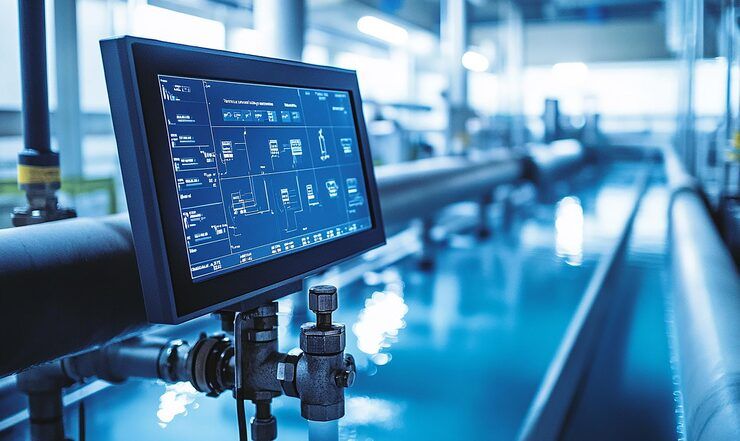
Monitoring platforms allow users to view sensor data in real time. These platforms often include dashboards that display key information such as temperature, pressure, or system status.
Data Analysis Software
Data analysis tools help process large amounts of sensor data. They can identify trends, detect anomalies, and generate reports that support decision-making.
Simulation Tools
Simulation tools allow users to test sensor systems in virtual environments. This helps identify potential issues before implementing the system in real-world conditions.
Calibration Tools
Calibration tools ensure that sensors provide accurate measurements. Regular calibration is important for maintaining the reliability of industrial sensor systems.
Common Sensor Types
The following table shows examples of common sensor types and their typical uses:
| Sensor Type | Measured Parameter | Common Application |
|---|---|---|
| Temperature Sensor | Heat levels | Manufacturing processes |
| Pressure Sensor | Pressure changes | Pipelines and machinery |
| Proximity Sensor | Object detection | Assembly lines |
| Humidity Sensor | Moisture levels | Storage environments |
| Gas Sensor | Gas concentration | Safety monitoring |
These tools and resources support the effective use of industrial sensor systems across different industries.
FAQs
What are industrial sensor systems used for?
Industrial sensor systems are used to monitor and measure physical conditions such as temperature, pressure, and motion in industrial environments. They help improve safety, efficiency, and reliability in operations.
How do industrial sensor systems work?
Industrial sensor systems work by detecting changes in physical conditions and converting them into electrical signals. These signals are then processed by control systems or software to provide useful information.
Where are industrial sensor systems commonly used?
Industrial sensor systems are used in manufacturing, energy production, transportation, agriculture, and environmental monitoring. They are found in both large industrial facilities and smaller operations.
Are industrial sensor systems part of IoT?
Yes, many industrial sensor systems are connected to IoT networks. This allows data to be shared and analyzed remotely, enabling better monitoring and decision-making.
Why are industrial sensor systems important for safety?
Industrial sensor systems help detect dangerous conditions such as gas leaks, overheating, or equipment failure. This allows timely action to prevent accidents and protect workers.
Conclusion
Industrial sensor systems play a key role in modern industry by providing accurate and timely data about physical conditions. They support safer operations, improve efficiency, and enable better maintenance practices. Advances in smart technology, connectivity, and data analysis continue to expand their capabilities. As industries evolve, these systems remain an essential part of monitoring and automation processes.