Industrial Sweeper Overview: Important Details Every Facility Should Know
Industrial cleanliness plays an important role in maintaining safe and organized workplaces.
An industrial sweeper is a machine designed to remove dust, dirt, debris, and other loose materials from large floor areas more efficiently than manual sweeping. These machines are commonly found in warehouses, factories, logistics centers, parking structures, manufacturing facilities, and other industrial environments where large floor surfaces require regular cleaning.
Over time, floor cleaning technology has evolved from simple push sweepers to advanced battery-powered and electric machines with improved dust control and wider cleaning paths. Today, businesses use different types of equipment depending on floor size, debris type, and operating environment. Understanding the features, applications, and current developments of industrial sweeping equipment helps readers recognize how these machines contribute to cleaner and safer workplaces.
Context
Understanding Industrial Sweepers
An industrial sweeper is a machine designed specifically for collecting dust, dirt, leaves, metal particles, paper scraps, and other dry debris from hard floor surfaces. Unlike household cleaning equipment, industrial machines are built to handle larger areas and heavier workloads.
An industrial floor sweeper may use rotating brushes, vacuum suction, or a combination of both. Many models also include dust filtration systems that reduce airborne particles during operation.
Types of Industrial Sweepers
Several types of sweepers are available for different environments.
- Walk behind industrial sweeper – Operated by a person walking behind the machine. Suitable for medium-sized indoor spaces.
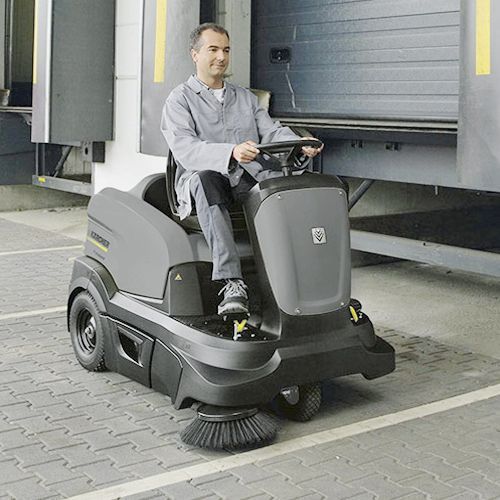
- Ride on industrial sweeper – Allows the operator to sit while driving the machine across large facilities.
- Battery powered industrial sweeper – Uses rechargeable batteries and produces no direct engine emissions during operation.
- Electric industrial sweeper – Powered entirely by electricity and commonly used inside enclosed buildings.
- Heavy duty industrial sweeper – Designed for handling larger debris and continuous operation.
- Industrial vacuum sweeper – Combines sweeping with vacuum technology to improve dust collection.
Common Applications
Industrial sweeping machines are used across many industries because different workplaces generate different kinds of debris. Typical locations include:
- Manufacturing facilities
- Distribution centers
- Warehouses
- Airports
- Educational campuses
- Parking garages
- Shopping complexes
- Transportation terminals
- Municipal maintenance facilities
Importance
Supporting Workplace Safety
Dust, loose materials, and scattered debris may create slipping hazards or interfere with daily operations. A warehouse sweeper helps maintain clear pathways for pedestrians and material-handling equipment.
Regular sweeping also reduces the movement of dust throughout indoor spaces, contributing to improved housekeeping practices.
Improving Operational Efficiency
Large industrial facilities often cover thousands of square meters. Cleaning these areas manually requires considerable time and physical effort. An industrial sweeping machine can cover larger floor areas more consistently while collecting debris into onboard containers.
Maintaining Floor Conditions
Accumulated dirt and abrasive particles may gradually affect floor surfaces over time. Routine cleaning using an industrial floor cleaning machine helps remove loose contaminants before they spread throughout the building.
Supporting Different Industries
Many industries rely on specialized floor sweeping equipment because each environment produces different debris.
| Industry | Typical Debris | Common Equipment |
|---|---|---|
| Warehousing | Dust, cardboard pieces | Warehouse floor sweeper |
| Manufacturing | Metal shavings, packaging | Heavy duty industrial sweeper |
| Retail Distribution | Plastic wrap, paper | Walk behind industrial sweeper |
| Parking Facilities | Leaves, sand, litter | Ride on industrial sweeper |
| Logistics Centers | Pallet debris, dust | Industrial floor sweeper |
Recent Updates
Battery Technology Continues to Improve
Recent developments have focused on longer battery operating times and improved charging efficiency. Many battery powered industrial sweeper models now support extended cleaning sessions while reducing downtime between charging cycles.
Greater Use of Electric Equipment
Many facilities are transitioning toward electric industrial sweeper models for indoor applications. Electric machines generally operate with lower noise levels than fuel-powered alternatives, making them suitable for enclosed environments where indoor air quality is an important consideration.
Enhanced Dust Control Systems
Manufacturers continue improving filtration technology. Modern industrial vacuum sweeper models often include multi-stage filtration systems that capture finer dust particles before air is released back into the environment.
Digital Monitoring Features
Some industrial floor cleaning machine models now include digital displays that provide information such as:
- Battery status
- Brush wear indicators
- Operating hours
- Maintenance reminders
- Cleaning mode selection
These features help operators monitor equipment condition during routine operation.
Sustainable Equipment Design
Current industry trends emphasize improved energy efficiency, recyclable materials, and components designed for longer operating life. These developments align with broader environmental objectives adopted across many industrial sectors.
Laws or Policies
Workplace Safety Regulations
Many countries have workplace safety regulations requiring employers to maintain reasonably clean working environments. While specific requirements vary, housekeeping remains an important part of occupational safety programs.
Clean floors help reduce trip hazards and improve visibility of work areas.
Dust Management Standards
Industries that generate significant dust may follow occupational exposure guidelines established by national workplace safety authorities. Industrial floor sweeper equipment can support regular dust removal as part of broader housekeeping practices.
Environmental Considerations
Some regions encourage the use of lower-emission equipment inside enclosed facilities. As a result, battery powered industrial sweeper and electric industrial sweeper models are increasingly used where indoor environmental quality is a priority.
Equipment Maintenance Requirements
Industrial equipment generally requires routine inspection and maintenance according to manufacturer guidance. Typical maintenance activities include checking brushes, replacing filters, inspecting batteries, and cleaning debris containers.
Tools and Resources
Several resources help facility managers understand, compare, and maintain industrial sweeping equipment.
Equipment Manuals
Manufacturer manuals explain machine operation, maintenance schedules, troubleshooting procedures, and safety precautions.
Workplace Safety Agencies
Government workplace safety organizations publish guidance related to housekeeping, dust management, and industrial facility maintenance.
Facility Maintenance Software
Many organizations use computerized maintenance management systems to schedule inspections, record maintenance history, and monitor equipment usage.
Cleaning Area Calculators
Floor area calculators help estimate cleaning coverage based on building dimensions. These tools assist with planning routine cleaning schedules.
Equipment Inspection Checklists
Maintenance checklists commonly include:
- Brush inspection
- Filter condition
- Battery charge level
- Tire condition
- Hopper cleaning
- Safety controls
- Vacuum performance
- General machine cleanliness
These records help maintain consistent inspection routines.
FAQs
What is an industrial sweeper used for?
An industrial sweeper removes loose debris, dust, and dirt from large hard floor surfaces commonly found in warehouses, factories, distribution centers, parking facilities, and manufacturing buildings.
What is the difference between a ride on industrial sweeper and a walk behind industrial sweeper?
A ride on industrial sweeper allows the operator to drive while seated and is generally suitable for larger facilities. A walk behind industrial sweeper is operated while walking and is commonly used in medium-sized indoor areas with narrower pathways.
How does an industrial floor sweeper differ from a commercial floor sweeper?
An industrial floor sweeper is typically designed for heavier workloads, larger debris, and continuous operation in industrial settings. A commercial floor sweeper is often used in offices, shopping areas, schools, and similar public buildings where debris levels are generally lighter.
Where is a warehouse floor sweeper commonly used?
A warehouse floor sweeper is commonly used in storage facilities, logistics centers, shipping areas, and distribution warehouses to remove dust, packaging materials, and pallet debris from large floor surfaces.
What should be considered when selecting floor sweeping equipment?
Factors commonly considered include facility size, floor type, debris characteristics, indoor or outdoor use, operating time, maneuverability, maintenance requirements, and whether battery-powered or electric operation is suitable for the intended environment.
Conclusion
Industrial sweepers are designed to improve cleanliness across large industrial and commercial facilities by collecting dust and debris efficiently. Different machine types, including walk behind, ride on, electric, battery-powered, and vacuum sweepers, support a wide range of cleaning requirements. Advances in battery technology, filtration systems, and digital monitoring continue to shape modern floor cleaning equipment. Understanding how these machines function, along with relevant workplace regulations and maintenance practices, provides a clearer view of their role in industrial housekeeping.