Internet of Things Overview: How It Works in Daily Life
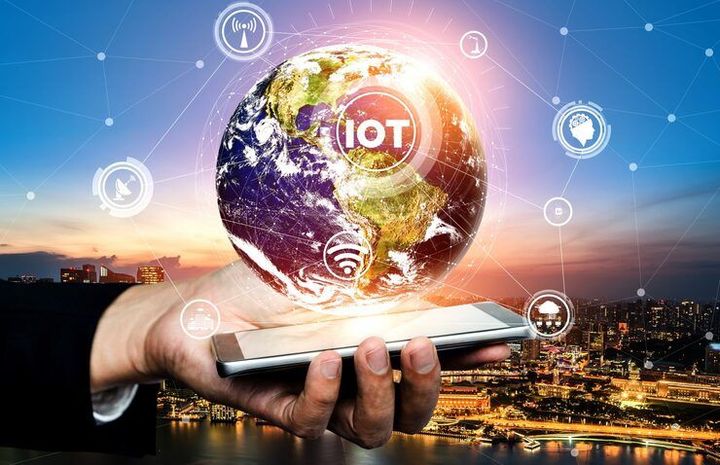
The Internet of Things (IoT) refers to a network of connected devices that communicate with each other through the internet. These devices use sensors, software, and connectivity to collect and exchange data without constant human input. From smart homes to industrial systems, IoT is quietly shaping how people interact with technology every day.
In simple terms, IoT turns ordinary objects into smart systems. These objects can sense, analyze, and respond to real-world conditions. This ability creates more efficient, automated, and informed environments across personal and professional settings.
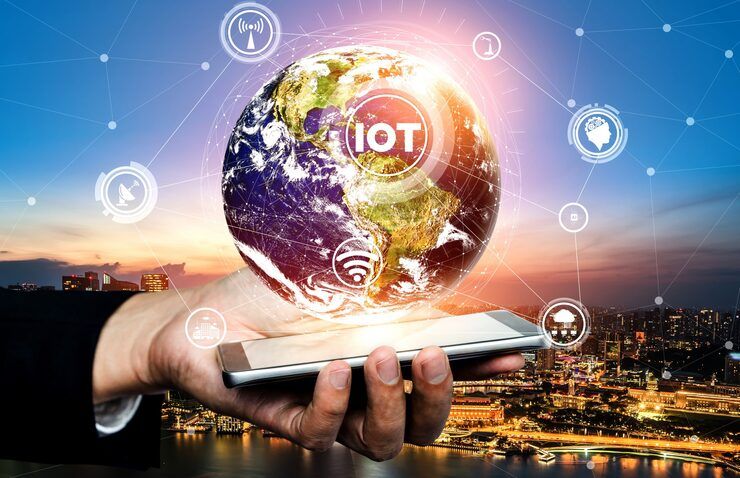
What is the Internet of Things?
The internet of things is a system where physical devices are embedded with iot sensors and software. These devices connect to networks to gather and share information. The goal is to improve decision-making, reduce manual work, and enhance convenience.
IoT devices range from wearable fitness trackers to complex industrial machines. Each device uses iot sensor technology to monitor specific conditions such as temperature, motion, pressure, or location. The collected data is then processed and used for meaningful actions.
How IoT Works in Daily Life
IoT operates through a combination of sensors, connectivity, data processing, and user interfaces. These components work together to deliver seamless automation and real-time insights.
Key Components of IoT Systems
- Sensors: Devices that detect changes in the environment and collect data
- Connectivity: Networks such as Wi-Fi, Bluetooth, or cellular systems that transmit data
- Data Processing: Systems that analyze and interpret collected information
- User Interface: Applications or dashboards that allow users to interact with the system
For example, a smart thermostat uses sensors to detect room temperature. It then processes this data and adjusts the temperature automatically based on user preferences.
Everyday Applications of IoT
IoT is already part of many daily routines. It enhances comfort, safety, and efficiency in multiple environments.
Smart Homes
Smart home devices are one of the most common uses of IoT. These systems allow users to control appliances and settings remotely.
- Smart lighting adjusts brightness based on time of day
- Smart security systems provide real-time alerts
- Smart speakers respond to voice commands
These devices rely on iot sensors and devices to create a connected living space.
Healthcare Monitoring
IoT plays a significant role in modern healthcare. Wearable devices track vital signs and provide continuous health monitoring.
- Heart rate and activity tracking
- Sleep pattern analysis
- Remote patient monitoring
This approach improves early detection and ongoing care through accurate data acquiring in iot systems.
Transportation and Maritime IoT
IoT is transforming transportation systems, including maritime iot applications. Ships and logistics systems use sensors to monitor fuel usage, weather conditions, and cargo status.
- Real-time tracking of shipments
- Predictive maintenance of vehicles
- Navigation optimization
These advancements help improve safety and operational efficiency.
Industrial Automation
Industrial iot devices are used in manufacturing and production environments. These systems monitor machinery and processes to ensure optimal performance.
- Equipment monitoring for performance issues
- Automated production lines
- Energy usage tracking
Industrial IoT enhances productivity while reducing downtime and manual intervention.
Role of IoT Sensors and Devices
IoT sensors are the foundation of connected systems. They collect raw data from the environment and convert it into digital information.
Different types of sensors include:
- Temperature sensors
- Motion sensors
- Pressure sensors
- Humidity sensors
- Proximity sensors
These sensors are integrated into devices that communicate with centralized systems. The combination of iot sensors and devices allows for continuous monitoring and automated responses.
Data Acquiring in IoT Systems
Data acquiring in iot involves collecting information from sensors and transmitting it to processing systems. This process is essential for generating actionable insights.
The steps include:
- Data Collection: Sensors gather real-time information
- Data Transmission: Information is sent through networks
- Data Processing: Systems analyze the data
- Action or Response: Devices or users take action based on insights
This cycle happens continuously, enabling real-time decision-making and automation.
IoT Control and Automation
IoT control refers to the ability to manage devices remotely or automatically. Control systems use collected data to trigger specific actions.
For instance, a smart irrigation system uses soil moisture sensors. When the soil becomes dry, the system automatically activates watering. This reduces water usage while maintaining plant health.
IoT control systems are widely used in homes, industries, and agriculture. They improve efficiency and reduce the need for manual intervention.
Benefits of IoT in Daily Life
IoT offers several advantages that enhance everyday experiences and operations.
- Convenience: Automation reduces repetitive tasks
- Efficiency: Optimized systems save time and resources
- Real-Time Insights: Immediate access to data improves decisions
- Safety: Monitoring systems detect risks early
- Customization: Devices adapt to user preferences
These benefits make IoT an essential part of modern living.
Challenges and Considerations
Despite its advantages, IoT also presents challenges that need attention.
- Data Security: Connected devices may be vulnerable to cyber threats
- Privacy Concerns: Continuous data collection raises privacy issues
- Compatibility: Different devices may not always work together
- Connectivity Dependence: Reliable internet is required for proper functioning
Addressing these challenges is important for the sustainable growth of IoT technologies.
IoT System Workflow Overview
Below is a simple table that explains how IoT systems function step by step:
| Step | Description |
|---|---|
| Data Collection | Sensors gather information from the environment |
| Data Transmission | Data is sent through networks |
| Data Processing | Systems analyze and interpret data |
| Decision Making | Insights are generated based on analysis |
| Action Execution | Devices perform automated or user-driven tasks |
This structured workflow ensures smooth communication between devices and systems.
Future of IoT in Everyday Life
The future of IoT is focused on smarter and more connected environments. Advances in artificial intelligence and machine learning will enhance IoT capabilities.
Smart cities are expected to use IoT for traffic management, waste management, and energy optimization. Homes will become more adaptive, responding to user behavior automatically.
Industrial sectors will continue to adopt industrial iot devices for predictive maintenance and automation. Maritime iot systems will further improve global trade efficiency.
As technology evolves, IoT will become more integrated into daily life, offering smarter solutions and improved experiences.
Conclusion
The internet of things is transforming how people interact with technology in everyday life. Through iot sensors, connectivity, and data processing, IoT systems provide automation, efficiency, and real-time insights.
From smart homes to industrial applications, IoT is creating a connected world where devices communicate seamlessly. Understanding how iot sensor technology and data acquiring in iot work helps users appreciate the value of these systems.
As IoT continues to grow, it will play a key role in shaping future innovations and improving daily living standards.