Japan’s Cherry Blossom Season: Ultimate 2026 Guide
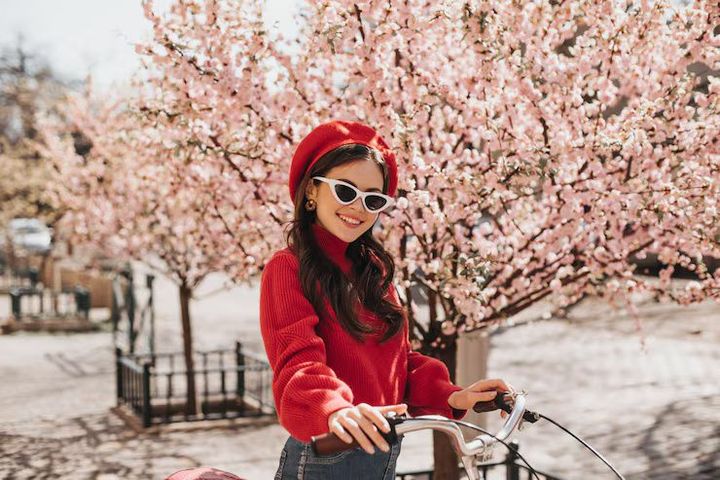
Japan’s cherry blossom season is one of the most recognized seasonal events in the world. Every spring, cherry trees bloom across the country, creating landscapes filled with pink and white flowers. The season attracts travelers, photographers, nature enthusiasts, and cultural researchers who want to experience this short-lived natural phenomenon.
Known locally as "sakura," cherry blossoms hold deep cultural significance in Japan. The flowers symbolize renewal, beauty, and the temporary nature of life. For centuries, people have gathered beneath blooming trees to appreciate their beauty through a tradition known as hanami, or flower viewing.
Because blooming periods vary by region and weather conditions, planning a visit during cherry blossom season requires understanding bloom forecasts, travel timing, local regulations, and environmental considerations. This guide provides an overview of Japan’s 2026 cherry blossom season and explains why it continues to be an important cultural and tourism event.
Understanding Japan’s Cherry Blossom Season
Cherry blossom season occurs annually between late winter and early spring. The exact timing depends on temperature patterns and geographical location.
Southern regions generally experience blooms earlier, while northern areas bloom later. The flowering period usually begins in the southern parts of Japan and gradually moves northward over several weeks.
Typical Bloom Timeline Across Japan
| Region | Estimated Bloom Period |
|---|---|
| Southern Japan | Late February to March |
| Central Japan | March to Early April |
| Tokyo Area | Late March to Early April |
| Kyoto Area | Late March to Mid-April |
| Northern Japan | April to Early May |
| Hokkaido | Late April to May |
The blooming process typically follows three stages:
- Bud development
- Full bloom
- Petal fall
Most locations experience peak bloom for approximately one week, making timing an important factor for visitors.
Cherry Blossom Progression
| Stage | Description |
| Budding | Flower buds begin forming |
| Opening | Initial blossoms appear |
| Full Bloom | Majority of flowers open |
| Peak Viewing | Best viewing conditions |
| Falling Petals | Blossoms begin dropping |
| Season End | Trees return to green foliage |
Why Cherry Blossom Season Matters Today
Cherry blossom season remains significant for cultural, environmental, educational, and tourism reasons.
Cultural Importance
Cherry blossoms have been part of Japanese culture for centuries. Traditional poetry, literature, art, and festivals frequently feature sakura imagery.
The flowers symbolize:
- Renewal
- Hope
- New beginnings
- Appreciation of nature
- Life's temporary beauty
Many schools and organizations begin their annual cycles during spring, further connecting cherry blossoms with fresh starts.
Tourism and Economic Importance
Cherry blossom season is one of Japan's busiest travel periods.
The event impacts:
- Domestic tourism
- International tourism
- Transportation systems
- Hospitality sectors
- Cultural attractions
Major parks, gardens, and historical sites often experience increased visitor numbers during peak bloom periods.
Environmental Awareness
Cherry blossom monitoring also contributes to environmental observation.
Researchers use flowering patterns to study:
- Seasonal climate variations
- Temperature trends
- Urban environmental changes
- Long-term ecological shifts
Changes in bloom timing can provide valuable insights into broader environmental conditions.
Recent Updates and Trends for 2025–2026
Several notable developments have shaped expectations for the 2026 cherry blossom season.
Improved Bloom Forecast Technology
Throughout 2025, forecasting methods became increasingly sophisticated through the use of:
- Artificial intelligence models
- Historical bloom records
- Satellite monitoring
- Weather prediction systems
These advancements help improve forecast accuracy for travelers and local authorities.
Growing Interest in Regional Destinations
During 2025, many travelers explored lesser-known cherry blossom locations rather than concentrating only on major cities.
Popular trends included:
- Rural viewing areas
- Historic towns
- Mountain landscapes
- Botanical gardens
- Waterfront parks
This trend may continue throughout the 2026 season.
Sustainable Tourism Initiatives
Environmental sustainability remained an important focus during 2025.
Several local authorities promoted:
- Responsible tourism practices
- Reduced waste generation
- Public transportation use
- Protection of natural areas
- Preservation of historic viewing sites
Earlier Seasonal Variations
Climate observations from recent years have shown occasional shifts in bloom timing. Some regions experienced earlier flowering dates than historical averages, encouraging visitors to monitor forecasts closely during 2026 planning.
Laws, Policies, and Government Frameworks
Cherry blossom viewing is generally open to the public, but visitors should be aware of local rules and government guidelines.
Public Park Regulations
Many parks establish rules to protect trees and maintain visitor safety.
Common regulations include:
- No climbing cherry trees
- No damaging branches
- Restricted access to protected areas
- Proper waste disposal requirements
- Respect for designated pathways
Violations may result in removal from certain locations.
Environmental Protection Measures
National and local governments continue implementing environmental protection initiatives that support urban green spaces and public parks.
These measures help:
- Preserve mature cherry trees
- Improve biodiversity
- Maintain public gardens
- Support long-term conservation efforts
Transportation Management
During peak bloom periods, transportation agencies may implement crowd-management strategies.
These can include:
- Additional train services
- Temporary traffic controls
- Visitor information systems
- Pedestrian management measures
Cultural Heritage Preservation
Many famous cherry blossom sites are located near historic landmarks and protected cultural properties.
Visitors are generally expected to:
- Respect heritage areas
- Follow photography guidelines
- Avoid restricted zones
- Preserve historical environments
Useful Tools and Resources
Several types of resources can help travelers plan for the 2026 cherry blossom season.
Bloom Forecast Platforms
Forecast resources typically provide:
- Regional bloom estimates
- Peak viewing dates
- Weather updates
- Seasonal progression maps
Weather Monitoring Tools
Weather resources assist visitors by providing:
- Temperature forecasts
- Rain predictions
- Wind conditions
- Daily travel planning information
Navigation and Mapping Platforms
Mapping tools can help identify:
- Parks
- Gardens
- Viewing locations
- Transportation routes
- Walking paths
Translation Resources
Language assistance tools may support:
- Basic communication
- Sign interpretation
- Travel information
- Local directions
Travel Planning Templates
Planning resources often include:
- Daily itineraries
- Budget worksheets
- Packing checklists
- Transportation schedules
Photography Planning Resources
Photography guides may assist with:
- Sunrise timing
- Sunset timing
- Flowering stages
- Scenic viewpoints
Recommended Planning Considerations for 2026
Travelers preparing for the 2026 season may benefit from considering several factors.
Monitor Forecasts Regularly
Cherry blossoms are highly dependent on weather conditions. Forecasts can change as spring approaches.
Allow Scheduling Flexibility
Flexible travel plans may improve the chances of experiencing peak bloom.
Consider Multiple Locations
Different regions bloom at different times, increasing viewing opportunities.
Use Public Transportation
Public transportation often provides efficient access to major viewing locations during busy periods.
Respect Local Customs
Traditional flower-viewing etiquette remains an important part of the experience.
Helpful practices include:
- Keeping areas clean
- Following local guidance
- Respecting shared spaces
- Protecting natural environments
Frequently Asked Questions
When does cherry blossom season begin in Japan?
The season generally begins in southern Japan during late February or March and gradually progresses northward through May.
How long do cherry blossoms stay in bloom?
Full bloom usually lasts about one week, although weather conditions can shorten or extend viewing opportunities.
Which areas are famous for cherry blossom viewing?
Major viewing regions include Tokyo, Kyoto, Osaka, northern Japan, and Hokkaido, along with numerous parks, gardens, and historical sites throughout the country.
Why do bloom dates change each year?
Bloom timing depends primarily on temperature patterns and seasonal weather conditions. Warmer winters and springs can influence flowering dates.
Are there rules visitors should follow during hanami?
Yes. Visitors are generally encouraged to avoid damaging trees, dispose of waste properly, respect public spaces, and follow local park regulations.
Conclusion
Japan’s cherry blossom season remains one of the country's most important cultural and natural events. The annual blooming of sakura trees represents renewal, beauty, and appreciation for nature while attracting visitors from around the world.