Jewellery for Women: A Guide to Styles, Materials, Occasions and Everyday Wear
Jewellery for women includes a wide range of decorative and personal accessories designed to be worn on different parts of the body.
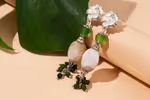
Common examples include necklaces, earrings, rings, bracelets, bangles, anklets, pendants, brooches, and hair ornaments. These pieces can be made from precious metals, other metals, gemstones, glass, ceramic materials, wood, beads, or synthetic materials.
Jewellery has existed across many cultures for thousands of years. Archaeological discoveries show that early communities used shells, stones, beads, bones, metals, and other natural materials as personal ornaments. Over time, jewellery developed alongside advances in metalworking, gemstone cutting, casting, engraving, and other forms of craftsmanship.
Today, jewellery for women can have cultural, personal, ceremonial, decorative, or symbolic significance. Some pieces are associated with weddings and festivals, while others are incorporated into everyday clothing. The choice of jewellery can depend on personal preference, clothing, occasion, material, comfort, and cultural traditions.
Common Types of Jewellery
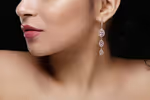
Different jewellery categories are designed for different parts of the body and different forms of wear. Necklaces and pendants are worn around the neck, while earrings are attached to or placed around the ears. Rings are generally worn on the fingers, and bracelets and bangles are worn around the wrist.
Anklets are worn around the ankle and have cultural significance in several regions. Brooches can be attached to clothing, while hair ornaments may be used as decorative accessories. Jewellery designs can range from simple geometric forms to detailed pieces containing gemstones, engravings, or multiple metal elements.
Materials Used in Jewellery
Jewellery materials influence appearance, weight, durability, maintenance, and price. Gold, silver, platinum, stainless steel, titanium, brass, copper, and various alloys are used in different types of jewellery.
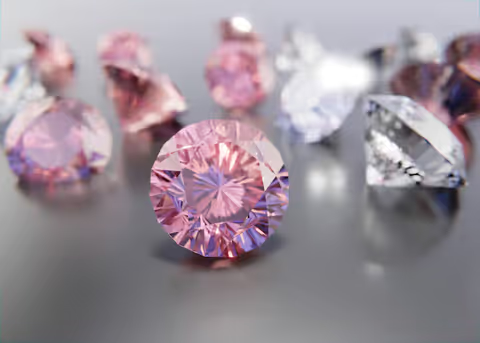
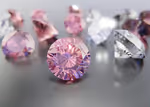
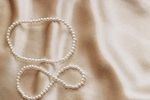
Gemstones may include diamonds, rubies, sapphires, emeralds, pearls, and many other natural or laboratory-created materials. Glass, enamel, ceramic, resin, wood, and synthetic stones are also used in contemporary designs.
Importance
Personal and Cultural Significance
Jewellery can have meanings beyond decoration. In many societies, particular pieces are associated with marriage, religious ceremonies, family traditions, festivals, or important life events.
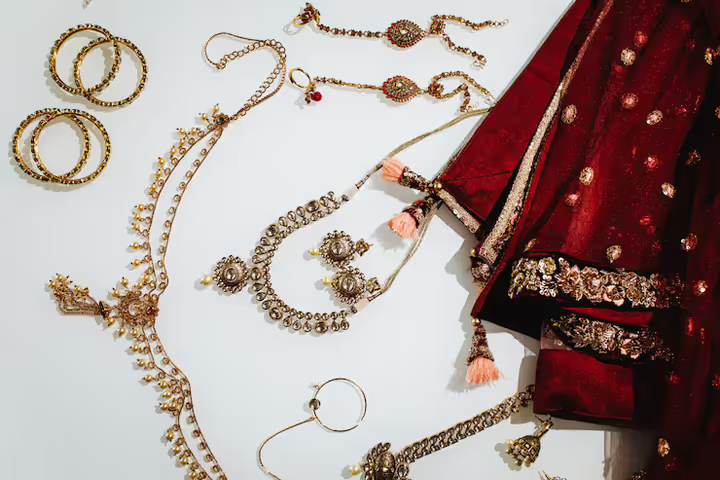
In India, jewellery has a particularly broad cultural presence. Designs such as bangles, jhumka earrings, mangalsutras, necklaces, anklets, and traditional gold ornaments can have different meanings across communities and regions.
Choosing Jewellery for Different Occasions
Jewellery selection often depends on the setting in which it will be worn. Everyday jewellery may prioritize comfort, simple construction, and resistance to routine exposure. Formal jewellery can involve more detailed designs, gemstones, layered pieces, or traditional patterns.
A practical approach is to consider the occasion, clothing, expected activity, material, size, and weight before choosing a piece. Jewellery worn during physical activity may require different characteristics from pieces intended for occasional ceremonial use.
Understanding Jewellery Categories
The following table provides a general overview of common categories:
| Jewellery Type | Typical Placement | Common Materials |
|---|---|---|
| Necklace | Neck | Gold, silver, beads, gemstones |
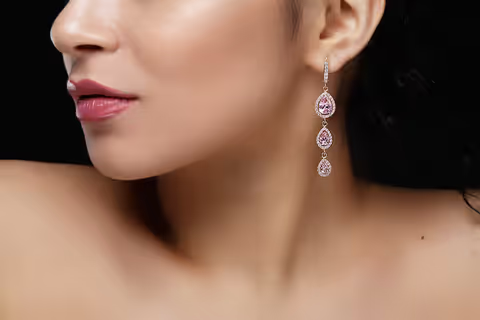
| Earrings | Ears | Gold, silver, steel, gemstones |
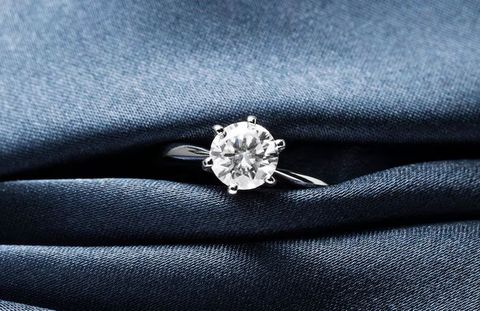
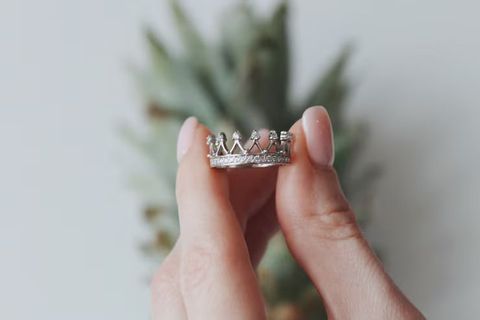
| Ring | Fingers | Gold, silver, platinum, alloys |
| Bracelet | Wrist | Metal, beads, leather, gemstones |
| Bangle | Wrist | Gold, glass, metal, lac |
| Anklet | Ankle | Silver, alloys, beads |
| Pendant | Necklace or chain | Metals, gemstones, enamel |
| Brooch | Clothing | Metal, enamel, gemstones |
Comfort and Practical Use
Comfort is an important consideration, particularly for jewellery worn for long periods. Weight, shape, fastening method, surface finish, and material can all influence how a piece feels during use.
Earrings require particular attention to weight and fastening because they remain attached to the ear. Rings should allow adequate movement without being excessively loose, while bracelets and bangles should fit without creating unnecessary pressure.
Recent Updates
Contemporary Jewellery Trends
From 2024 through 2026, jewellery trends have continued to include a mixture of minimalist designs, layered pieces, personalized details, traditional influences, and experimental materials. Rather than following one universal style, contemporary jewellery includes many different aesthetic directions.
Layering has remained relevant in necklaces, bracelets, and rings. Different lengths, textures, and shapes can be combined to create a more varied appearance, while simple individual pieces remain common for everyday clothing.
Interest in Mixed Materials
Jewellery designers increasingly work with combinations of metals, gemstones, beads, enamel, ceramic elements, and other materials. Mixed-material construction can create differences in color, texture, weight, and surface appearance within the same piece.
This trend also means that care requirements can vary considerably. A necklace containing metal, pearls, and coated elements may require different handling from a solid-metal necklace.
Personalization and Custom Design
Personalized jewellery continues to include initials, names, dates, birthstones, symbols, and other meaningful elements. Digital design tools have also made it easier to visualize shapes and patterns before production.
Customization can involve changes to dimensions, engraving, gemstone selection, metal color, or arrangement. Technical specifications should be clearly documented when a design contains multiple materials or precise dimensions.
Sustainability and Material Awareness
Environmental considerations have become more visible in jewellery discussions. Recycled metals, traceable materials, laboratory-created gemstones, vintage jewellery, and longer-term use are among the subjects discussed within the industry.
These categories can involve different environmental and production considerations. A material label alone does not provide a complete assessment of the environmental impact of a particular piece.
Laws or Policies
Jewellery Regulations in India
Jewellery sold in India can be subject to requirements related to precious-metal purity, hallmarking, labeling, and consumer information. The Bureau of Indian Standards plays an important role in the country's hallmarking framework.
For applicable gold jewellery, hallmarking provides information about purity and identification. The applicable requirements can vary according to the material and type of article.
Gold and Silver Hallmarking
Hallmarking is particularly relevant when evaluating precious-metal jewellery. A hallmark can provide information about the declared purity of the metal and other identification details under the applicable system.
Consumers should distinguish between a metal's purity and the design or appearance of a jewellery piece. Two pieces can have similar designs while differing substantially in metal composition or purity.
Gemstone Information
Gemstones can have different origins and characteristics. Natural gemstones, laboratory-created stones, and imitation stones are distinct categories, and clear documentation should identify the relevant category where applicable.
Treatments can also affect gemstones. Heat treatment, coating, filling, and other processes may be used with certain stones. Appropriate documentation helps readers understand what material is present and how it may require care.
Tools and Resources
Jewellery Size Guides
Ring and bracelet sizing guides can help users understand general measurements. A ring's internal diameter or circumference can be compared with a sizing chart, although sizing systems vary between countries.
For online jewellery research, readers should check which measurement system a guide uses. International sizing conventions are not always identical.
Material and Purity References
Reference charts can explain gold purity markings, silver standards, gemstone terminology, and common jewellery materials. Government and standards organizations can provide useful information about applicable regulations in India.
Jewellery Care Guides
Care guides can explain how different materials respond to moisture, chemicals, friction, and cleaning products. Gold, silver, pearls, plated metals, and gemstones can have different maintenance requirements.
A soft cloth and appropriate storage are commonly used for routine care, but cleaning methods should be matched to the specific material. Abrasive products may affect polished, plated, or delicate surfaces.
Digital Planning Tools
Digital jewelry design platforms can help visualize dimensions, stone arrangements, metal colors, and proportions. These tools can be useful when comparing different design concepts or documenting a custom piece.
Photographs, measurements, material descriptions, and identification numbers can also be stored digitally to maintain an organized jewellery record.
FAQs
What types of jewellery for women are commonly worn?
Common types include necklaces, earrings, rings, bracelets, bangles, anklets, pendants, and brooches. The choice depends on personal style, cultural traditions, clothing, occasion, and comfort.
What materials are commonly used in jewellery for women?
Common materials include gold, silver, platinum, stainless steel, titanium, brass, copper alloys, gemstones, pearls, glass, ceramic, beads, enamel, and synthetic materials. Material composition influences appearance, weight, durability, and care requirements.
How should jewellery for women be stored?
Jewellery should generally be stored in a dry environment and separated where possible to reduce scratching and tangling. Soft pouches or individual compartments can help protect surfaces and keep pieces organized.
How can I determine the right ring size?
Ring sizing can be estimated by measuring the internal diameter or circumference of a suitable ring or finger and comparing the measurement with the relevant sizing chart. Because sizing systems vary, the measurement system should be checked before interpreting the result.
Does jewellery require different care for different materials?
Yes. Different metals, gemstones, coatings, and finishes can react differently to moisture, chemicals, heat, and abrasion. Care instructions should therefore be based on the actual materials used in the piece.
Conclusion
Jewellery for women includes many forms, materials, cultural traditions, and contemporary styles. Understanding the differences between metals, gemstones, designs, and construction methods helps explain how jewellery behaves during everyday use. Recent developments include mixed materials, personalized designs, digital planning tools, and greater attention to material information. In India, hallmarking and applicable standards provide an important framework for understanding precious-metal jewellery.