Laser Cutting Machines Technology and Industrial Uses Guide
Laser cutting machines are advanced manufacturing systems that use concentrated beams of light to cut, shape, or engrave materials with high precision. These machines were developed to improve accuracy in industrial production where traditional cutting tools often face limitations in speed, consistency, and detail.
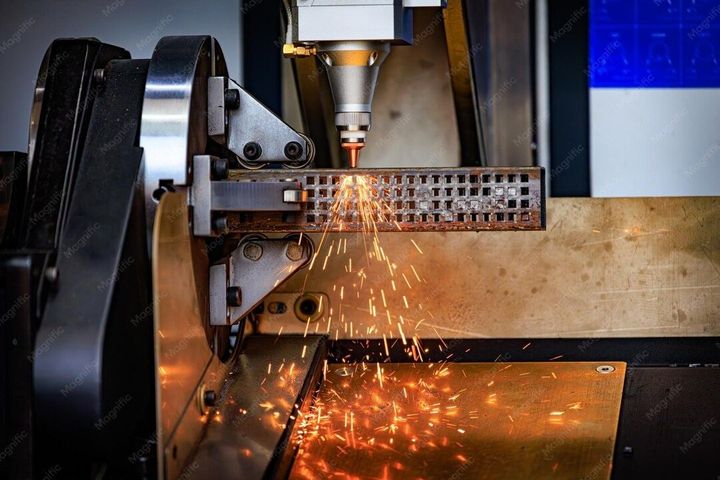
The core idea behind laser cutting technology is simple: a powerful laser beam is directed onto a material surface, where it heats, melts, or vaporizes a small area to create a precise cut. This allows manufacturers to work with metals, plastics, wood, textiles, and composites in a controlled and repeatable way.
Laser cutting technology exists mainly to solve challenges in modern manufacturing such as complex design requirements, high-volume production needs, and the demand for cleaner, faster, and more efficient processing methods.
Why Laser Cutting Technology Matters Today
Laser cutting machines play a key role in modern industrial systems because they support high-precision engineering and automated production. Industries today rely on accuracy, consistency, and reduced material waste, all of which are possible with laser-based systems.
This technology impacts multiple sectors including automotive manufacturing, aerospace engineering, electronics production, construction materials, and medical device fabrication. Each of these industries depends on precision parts where even small errors can lead to performance issues.
Key problems solved by laser cutting technology include:
- Reducing manual cutting errors
- Improving production speed in automated systems
- Supporting complex geometric designs
- Minimizing material waste through precise cuts
- Enabling non-contact processing to reduce wear and tear
Laser systems also support digital manufacturing workflows where designs are created using software and directly converted into physical components.
Recent Developments and Industry Trends
Over the past year (2025–2026), laser cutting technology has continued to evolve with improvements in automation, energy efficiency, and digital integration.
One major trend is the increased use of fiber laser systems, which offer higher efficiency and lower maintenance compared to traditional CO₂ lasers. Many manufacturing facilities have shifted toward fiber-based systems for metal processing due to improved beam quality and speed.
Another important development is the integration of artificial intelligence in machine control systems. AI-assisted laser cutting helps in:
- Automatic path optimization
- Real-time error detection
- Adaptive power control based on material thickness
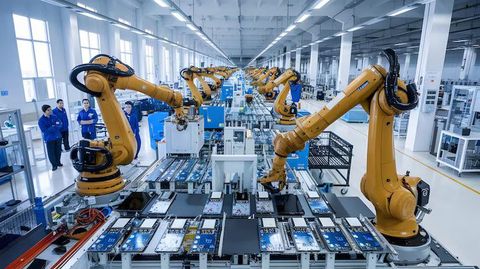
In 2025, several industrial automation reports highlighted the growing adoption of smart factories where laser cutting machines are connected to centralized production networks. This allows real-time monitoring and predictive maintenance.
A simplified comparison of traditional vs modern laser systems:
| Feature | Traditional Systems | Modern Laser Systems (2025–2026) |
|---|---|---|
| Precision | Moderate | Very High |
| Energy Usage | Higher | Optimized |
| Automation | Limited | Advanced AI integration |
| Maintenance | Frequent | Predictive and reduced |
| Material Range | Limited | Wide compatibility |
Sustainability is also becoming a key focus, with industries aiming to reduce carbon emissions by using energy-efficient laser systems and optimized cutting paths.
Laws, Regulations, and Industrial Frameworks
Laser cutting machines are regulated under general industrial safety and manufacturing standards. In many countries, including India, these systems are governed by workplace safety rules and machinery compliance guidelines.
Key regulatory areas include:
- Workplace safety standards for high-energy equipment
- Electrical safety and machine certification requirements
- Environmental guidelines related to industrial energy usage
- Training requirements for machine operators in manufacturing units
In industrial zones, companies are expected to follow standard operating procedures for laser systems to prevent accidents such as burns, fire hazards, or exposure to high-intensity light.
Government-backed manufacturing initiatives like digital industrialization programs also encourage adoption of advanced technologies such as laser cutting to improve productivity and global competitiveness.
Tools, Systems, and Learning Resources
Laser cutting technology is supported by a range of digital tools and industrial systems that help in design, control, and optimization.
Common tools used in the laser cutting workflow include:
- Computer-Aided Design (CAD) software for creating technical drawings
- Computer-Aided Manufacturing (CAM) systems for machine instructions
- Simulation tools for testing cutting paths before production
- Material thickness analyzers for precision calibration
- Machine control interfaces for real-time adjustments
General resource categories used in the industry:
- Technical training platforms for industrial machining concepts
- Engineering simulation environments for prototyping
- Digital manufacturing dashboards for production tracking
- Maintenance logs and predictive analytics systems
- Material property databases for cutting optimization
These tools help engineers and technicians improve accuracy, reduce waste, and maintain consistent production quality.
How Laser Cutting Works in Simple Terms
Laser cutting follows a structured process:
- A digital design is created using software
- The design is converted into machine instructions
- A focused laser beam is generated
- The beam is directed onto the material surface
- Heat energy cuts or shapes the material
- Finished parts are separated and refined if needed
This process allows for highly detailed and repeatable production without physical contact between the machine and material.
Common Industrial Applications
Laser cutting is widely used across industries due to its versatility:
- Automotive components such as body panels and engine parts
- Aerospace structures requiring lightweight precision parts
- Electronics manufacturing for circuit boards and micro components
- Construction industry for metal framing and architectural designs
- Medical field for surgical instruments and equipment components
Its adaptability makes it suitable for both large-scale industrial production and small precision-based manufacturing.
Frequently Asked Questions
What materials can laser cutting machines process?
Laser systems can process metals, plastics, wood, ceramics, fabrics, and composite materials depending on machine type and power level.
Why is laser cutting more precise than traditional cutting methods?
It uses a focused beam of light instead of physical blades, allowing extremely small and accurate cuts with minimal material deformation.
Is laser cutting suitable for large-scale manufacturing?
Yes, it is widely used in mass production due to automation, speed, and repeatability.
Does laser cutting generate heat damage?
It can create localized heat, but modern systems are designed to minimize thermal distortion through controlled energy output.
How is digital design connected to laser cutting?
Designs created in CAD software are directly converted into machine-readable instructions for precise automated cutting.
Conclusion
Laser cutting machines represent a major step forward in modern industrial technology. Their ability to deliver high precision, efficiency, and flexibility makes them essential in today’s manufacturing ecosystem. As industries continue to adopt automation and digital workflows, laser cutting systems are expected to become even more integrated into smart production environments.