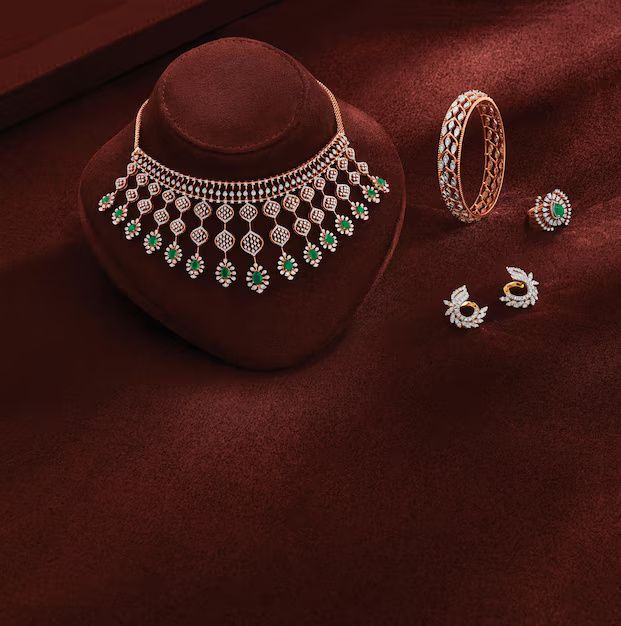
Luxury jewellery collections refer to curated sets of high-quality ornaments made from precious metals such as gold, platinum, and silver, often enhanced with gemstones like diamonds, emeralds, sapphires, and rubies. These collections are created by designers, brands, or artisans who focus on craftsmanship, aesthetics, and material value.
Historically, jewellery has served as a symbol of status, culture, and identity. From ancient civilizations to modern fashion houses, jewellery collections have evolved in design, purpose, and meaning. Today, luxury jewellery combines traditional techniques with modern design innovation, making it both a cultural artifact and a form of personal expression.
Luxury collections are typically categorized based on themes, materials, or occasions. Examples include bridal collections, heritage collections, minimalist collections, and contemporary statement pieces. Each collection reflects a blend of artistry, precision, and attention to detail.
Why Luxury Jewellery Collections Matter Today
Luxury jewellery plays a significant role in both cultural and economic contexts. It is not only a form of adornment but also an asset that retains long-term value.
Key reasons why this topic is important include:
- Cultural Significance: Jewellery is deeply connected to traditions, especially in countries like India, where it is an essential part of weddings and festivals.
- Investment Perspective: Precious metals and gemstones are often considered stable assets, especially during economic fluctuations.
- Fashion Influence: Jewellery collections influence global fashion trends and personal styling choices.
- Craftsmanship Preservation: Traditional jewellery-making techniques are preserved through luxury collections.
- Global Market Growth: The luxury jewellery market continues to expand due to rising consumer awareness and demand for premium products.
Luxury jewellery also addresses challenges such as authenticity verification, ethical sourcing, and sustainability, making it a relevant and evolving topic.
Recent Updates and Trends (2024–2025)
The luxury jewellery industry has seen several notable developments in the past year, reflecting changing consumer preferences and technological advancements.
Key Trends:
- Sustainable Jewellery (2024–2025): Increasing demand for ethically sourced diamonds and recycled gold. Consumers are prioritizing transparency in sourcing.
- Lab-Grown Diamonds Growth (2025): Lab-created diamonds have gained popularity due to their environmental benefits and accessibility.
- Minimalist Designs: Simple, elegant pieces are trending, especially among younger consumers.
- Digital Customization Tools: Brands now offer virtual try-ons and customization features using AI and augmented reality.
- Colored Gemstones Revival: Sapphires, emeralds, and rare stones are becoming more prominent in modern collections.
Market Insights Table:
| Trend Category | Growth Direction | Consumer Preference |
|---|---|---|
| Sustainable Jewellery | Increasing | High |
| Lab-Grown Diamonds | Rapid Growth | Medium to High |
| Minimalist Designs | Stable Growth | High |
| Heritage Pieces | Moderate Growth | Medium |
These updates highlight how the industry is adapting to modern expectations while maintaining traditional value.
Laws and Policies Affecting Jewellery Collections
Luxury jewellery is regulated by various laws and policies to ensure quality, authenticity, and consumer protection. These regulations vary by country but generally include hallmarking standards, import/export rules, and ethical sourcing guidelines.
Key Regulatory Areas:
- Hallmarking Standards: In India, the Bureau of Indian Standards (BIS) mandates hallmarking for gold jewellery to ensure purity.
- Gemstone Certification: Diamonds and gemstones are often certified by recognized institutions to verify authenticity.
- Import and Export Policies: Governments regulate the trade of precious metals and stones to prevent illegal activities.
- Environmental Regulations: Policies encourage responsible mining and reduce environmental impact.
- Anti-Money Laundering Rules: Jewellery transactions are monitored to prevent misuse in financial systems.
These regulations help maintain trust and transparency in the luxury jewellery market.
Tools and Resources for Understanding Jewellery Collections
There are several tools and platforms that help individuals explore and understand luxury jewellery collections more effectively.
Useful Tools and Resources:
- Jewellery Valuation Calculators: تساعد in estimating the value of gold and gemstones based on weight and quality.
- Virtual Try-On Apps: Allow users to visualize jewellery pieces digitally before making decisions.
- Certification Websites: Platforms that verify gemstone authenticity and grading reports.
- Design Software: Tools used by designers to create and simulate jewellery models.
- Educational Platforms: Websites offering courses and articles on gemology and jewellery design.
Popular Resource Categories Table:
| Resource Type | Purpose |
|---|---|
| Valuation Tools | Estimate material worth |
| Certification Sites | Verify authenticity |
| Design Software | Create jewellery models |
| Learning Platforms | Gain knowledge and skills |
These resources enhance knowledge and improve decision-making when exploring jewellery collections.
Frequently Asked Questions (FAQs)
What defines a luxury jewellery collection?
A luxury jewellery collection is defined by the use of high-quality materials, expert craftsmanship, unique designs, and often a strong brand or heritage value.
Are lab-grown diamonds considered luxury?
Yes, lab-grown diamonds are increasingly accepted in luxury collections due to their quality and sustainability benefits.
How is jewellery authenticity verified?
Authenticity is verified through hallmarking, certification from gemological institutes, and detailed documentation.
What are the most popular materials in luxury jewellery?
Gold, platinum, and diamonds are the most commonly used materials, along with colored gemstones like sapphires and emeralds.
Why is hallmarking important?
Hallmarking ensures the purity of precious metals, providing assurance about quality and value.
Conclusion
Luxury jewellery collections represent a blend of tradition, innovation, and artistry. They hold cultural significance, offer investment value, and reflect evolving design trends. With advancements in technology and increasing awareness of sustainability, the jewellery industry continues to adapt to modern demands.
Understanding materials, trends, regulations, and available resources helps individuals appreciate the depth and value of luxury jewellery collections. Whether viewed as a form of expression or a long-term asset, these collections remain an integral part of global culture and design.