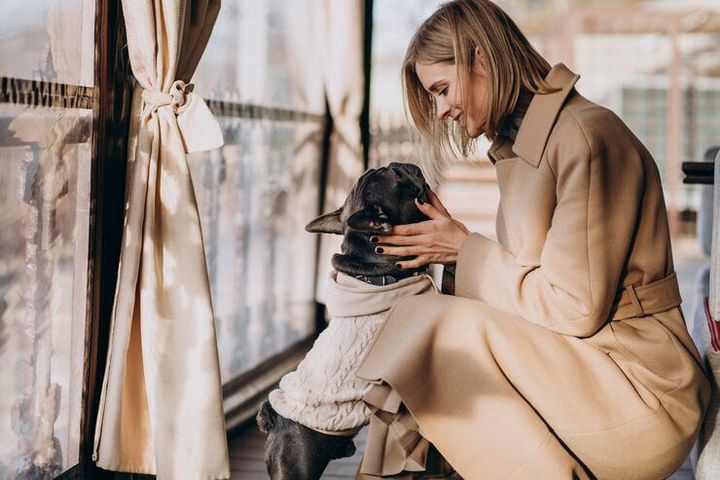
Luxury Pet Clothing: A Complete Guide to Style and Comfort
Luxury pet clothing refers to high-quality apparel designed for animals, combining aesthetics with comfort and practicality. This category includes items such as coats, sweaters, dresses, and accessories created with attention to detail, material quality, and fit. While clothing for pets has existed for centuries in various forms, modern luxury pet clothing reflects changing attitudes toward pets as companions and family members.
Historically, pet clothing served functional purposes such as warmth or protection. Over time, it evolved into a way for pet owners to express personal style and care for their animals. Today, luxury pet clothing often incorporates advanced fabrics, thoughtful tailoring, and seasonal designs. The focus is not only on appearance but also on ensuring the animal’s well-being.
In many urban environments, small dog breeds and indoor pets are more common, which has contributed to the popularity of pet apparel. Additionally, social media and digital communities have influenced how people perceive pet fashion, encouraging creative expression while maintaining comfort and safety.
Importance
Luxury pet clothing matters because it addresses both practical and emotional needs. For some pets, especially those with short fur or low tolerance to cold weather, clothing can help regulate body temperature. In other cases, it provides protection from environmental factors such as dust or sunlight.
Pet owners also use clothing to reflect their lifestyle and preferences. However, comfort and safety remain central considerations. Poorly designed garments can restrict movement, cause overheating, or irritate the skin. As a result, well-designed luxury pet clothing focuses on breathable materials and proper sizing.
The topic affects a wide range of individuals, including pet owners, veterinarians, and designers. Key challenges include finding the right balance between style and functionality, ensuring proper fit, and understanding the specific needs of different breeds.
Common factors influencing the choice of luxury pet clothing include:
- Climate conditions and seasonal changes
- Pet size, breed, and coat type
- Activity level and daily routines
- Skin sensitivity and allergies
These considerations highlight that pet clothing is not purely decorative but often serves a practical role.
Recent Updates
From 2024 to 2026, luxury pet clothing has seen several notable trends. One major development is the use of sustainable and eco-conscious materials. Fabrics made from recycled fibers or organic sources are becoming more common, reflecting broader environmental awareness.
Another trend is the integration of technology into pet apparel. Some garments now include features such as temperature-regulating fabrics or reflective elements for visibility during nighttime walks. While these features are still developing, they indicate a shift toward functional innovation.
Customization has also gained attention. Tailored clothing designed to fit specific breeds or individual measurements is increasingly available. This approach helps address common issues related to improper fit and discomfort.
Digital platforms have further influenced the industry by allowing pet owners to share styles and ideas. This has led to a wider variety of designs, ranging from minimal and functional pieces to more elaborate outfits.
Laws or Policies
Pet clothing is subject to general consumer product regulations in many countries, including India. While there are no specific laws exclusively for luxury pet clothing, several guidelines influence how these products are designed and distributed.
Material safety standards are important to ensure that fabrics and dyes do not harm animals. For example, non-toxic materials and secure fastenings help reduce risks such as ingestion or skin irritation. Manufacturers are expected to follow textile safety regulations similar to those applied to human clothing.
Animal welfare guidelines also play a role. These guidelines emphasize that pets should not be subjected to unnecessary discomfort or restriction. Clothing should allow natural movement, breathing, and temperature regulation.
In some cases, local authorities or veterinary organizations provide advice on appropriate use of pet clothing. These recommendations focus on avoiding excessive layering, ensuring proper fit, and monitoring pets for signs of distress.
Tools and Resources
Various tools and resources can help individuals understand and select appropriate luxury pet clothing. These resources focus on education, measurement, and safety.
Measurement guides
Accurate sizing is essential for comfort. Many online platforms provide measurement charts and tutorials. Common measurements include neck circumference, chest girth, and back length.
Fabric information resources
Textile databases and educational websites explain different fabric types and their properties. For example, cotton is breathable, while fleece provides warmth. Understanding these characteristics helps in choosing suitable clothing for different climates.
Veterinary guidance platforms
Veterinary websites and online forums often provide insights into pet health and clothing safety. These resources can help identify potential issues such as overheating or skin irritation.
Size reference table
Below is a general example of how pet clothing sizes are categorized. Actual measurements may vary by design.
| Size | Neck (cm) | Chest (cm) | Back Length (cm) |
|---|---|---|---|
| Small | 20–25 | 30–35 | 20–25 |
| Medium | 25–30 | 35–45 | 25–30 |
| Large | 30–40 | 45–60 | 30–40 |
This table serves as a general guide and highlights the importance of measuring each pet individually.
FAQs
What is luxury pet clothing and how is it different from regular pet clothing?
Luxury pet clothing typically uses higher-quality materials and more detailed construction compared to standard options. It often focuses on both style and comfort, with attention to fit, fabric, and durability.
Is luxury pet clothing safe for all pets?
Not all pets require clothing. Safety depends on proper sizing, breathable materials, and the pet’s comfort level. It is important to observe the pet’s behavior and remove clothing if signs of discomfort appear.
How do I choose the right size in luxury pet clothing?
Measure the pet’s neck, chest, and back length using a flexible tape. Compare these measurements with size charts provided in guides. Proper fit should allow movement without being too tight or too loose.
What materials are commonly used in luxury pet clothing?
Common materials include cotton, wool, fleece, and blended fabrics. Some modern designs also use recycled or temperature-regulating materials to improve comfort and functionality.
Can luxury pet clothing be used in all seasons?
Different types of clothing are suitable for different seasons. Lightweight fabrics work well in warmer conditions, while insulated materials are more appropriate for colder weather. Seasonal selection helps maintain comfort.
Conclusion
Luxury pet clothing has evolved from simple functional garments into a category that balances style and practicality. It reflects changing attitudes toward pet care and emphasizes comfort, safety, and thoughtful design. Understanding materials, sizing, and environmental factors is essential for making informed decisions. As trends continue to develop, the focus remains on ensuring that pets remain comfortable while wearing clothing.