Luxury Wellness Retreats & Spa Tourism: A Guide to Wellness Travel
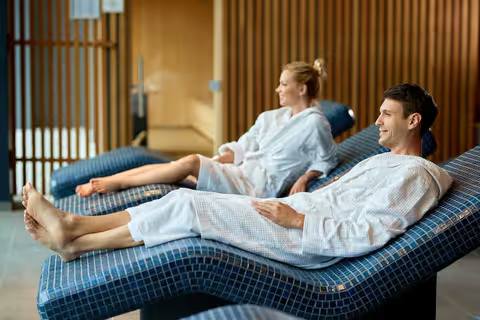
Luxury wellness retreats and spa tourism combine travel with activities focused on relaxation, healthy routines, fitness, mindfulness, personal care, and overall well-being.
These experiences can range from destination spas and yoga retreats to nature-based wellness resorts and programs influenced by traditional practices such as Ayurveda. The sector has developed as travelers increasingly combine leisure with activities intended to support physical and mental well-being.

Context
What Are Luxury Wellness Retreats?
A wellness retreat is a planned travel experience centered on activities associated with well-being. A retreat may take place at a resort, spa, health-focused property, nature destination, or dedicated retreat center.
The word "luxury" generally refers to the physical setting, accommodation, facilities, privacy, and range of activities available. It does not necessarily indicate a particular health outcome. Programs can differ considerably in their approach, duration, level of structure, and professional involvement.
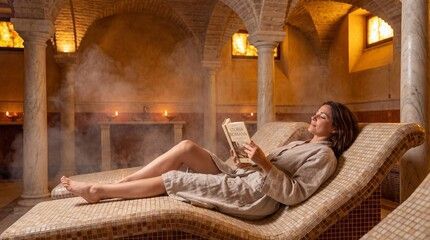
Spa tourism is a related form of travel in which people visit destinations where spa treatments, relaxation activities, thermal bathing, massage, beauty treatments, or other wellness experiences are a significant part of the trip.
How Wellness Tourism Developed
Wellness travel has roots in several older traditions. People have historically traveled to thermal springs, mineral baths, pilgrimage locations, coastal areas, and places associated with traditional health practices.
Modern wellness tourism combines some of these traditions with contemporary hospitality and leisure. Destinations may incorporate meditation, yoga, exercise, nutrition education, nature activities, hydrotherapy, massage, and relaxation programs into a single travel experience.
India has a particularly distinctive connection with wellness tourism because of traditions such as Ayurveda and yoga. Kerala, Uttarakhand, Goa, Rajasthan, and other regions have developed different forms of wellness-oriented travel around natural settings and cultural practices.
Common Types of Wellness Retreats
Wellness retreats can be grouped according to their primary activities and setting.
| Retreat type | Common activities | Typical setting |
|---|---|---|
| Spa retreat | Massage, bathing, relaxation treatments | Resort or spa property |
| Yoga retreat | Yoga, meditation, breathing exercises | Nature or cultural destination |
| Ayurveda retreat | Traditional Ayurveda practices and routines | Specialized wellness center |
| Fitness retreat | Exercise, movement, nutrition education | Resort or dedicated center |
| Nature retreat | Walking, outdoor activities, mindfulness | Forest, mountains, coast |
| Mindfulness retreat | Meditation and quiet activities | Retreat center or secluded location |
These categories can overlap. A single destination may combine several approaches rather than following one specific format.
Importance
Why Wellness Travel Matters
Wellness tourism is part of the broader travel industry because it combines accommodation, recreation, cultural experiences, and personal well-being activities. It can influence how travelers select destinations and how tourism businesses design their facilities.
For travelers, wellness-focused trips can provide a structured environment for activities such as meditation, exercise, relaxation, and healthy eating. The experience may also provide an opportunity to spend time away from normal routines.
However, wellness tourism should not be confused with medical treatment. A retreat may include general health education or activities associated with relaxation, but this does not mean that every program is medically appropriate for every person.
Who Uses Wellness Retreats?
Wellness travel attracts different groups for different reasons. Some travelers are interested in relaxation, while others prefer physical activities, cultural traditions, nature experiences, or structured routines.
Common motivations include:
- Taking a break from regular routines
- Participating in meditation or yoga
- Exploring traditional wellness practices
- Spending time in natural environments
- Learning about nutrition and healthy routines
- Combining leisure travel with relaxation activities
Individual experiences vary, and participation in physical or therapeutic activities can depend on a person's health, age, fitness level, and other circumstances.
Wellness Tourism and Local Economies
Wellness tourism can also influence destination economies. Retreat centers may create demand for accommodation, transportation, food production, cultural activities, recreation, and trained practitioners.
Local communities can become involved through regional cuisine, traditional practices, crafts, nature activities, and cultural experiences. At the same time, tourism development can create environmental and social pressures if water, land, energy, or other local resources are not managed carefully.
Recent Updates
Personalization and Digital Technology
Wellness travel has increasingly incorporated digital technology. Some properties use online questionnaires, digital schedules, wearable devices, or mobile applications to help visitors organize activities.
Technology can also support fitness tracking and sleep monitoring. However, measurements from consumer devices are not the same as a clinical assessment, and wellness programs generally need to distinguish general lifestyle information from medical guidance.
Nature-Based Wellness
Nature-based experiences have become an important part of wellness tourism. Retreats may combine accommodation with hiking, outdoor meditation, forest activities, gardening, or quiet spaces surrounded by natural landscapes.
This trend reflects a broader interest in travel experiences that involve reduced screen use and greater interaction with outdoor environments. The exact activities vary according to geography and local conditions.
Sustainable Wellness Practices
Environmental considerations are increasingly visible in wellness tourism. Some destinations are incorporating energy-efficient buildings, water-management systems, locally sourced food, waste reduction, and landscape conservation into their operations.
Sustainability can be particularly relevant to wellness destinations because many are located near forests, mountains, coastlines, springs, or other environmentally sensitive areas. Responsible tourism planning therefore involves both visitor experience and protection of local resources.
Traditional Practices and Modern Wellness
Ayurveda, yoga, meditation, thermal bathing, and other traditional practices continue to influence wellness travel. Modern destinations may combine these practices with contemporary accommodation and recreational facilities.
The interpretation of traditional practices varies considerably. Travelers may encounter programs that are primarily cultural or educational as well as programs involving practitioners with specific professional qualifications.
Laws or Policies
Tourism Regulation in India
Wellness tourism in India is influenced by several areas of regulation rather than one single national wellness-tourism law. Tourism businesses can be affected by state tourism rules, local regulations, accommodation requirements, health-related regulations, environmental rules, and professional standards.
The Ministry of Tourism provides information and policy frameworks related to tourism development. State tourism departments also play an important role because accommodation and destination activities can be subject to state and local requirements.
Ayurveda and Traditional Practices
Ayurveda is regulated through India's broader framework for traditional systems of medicine. The Ministry of Ayush oversees policy and development relating to Ayurveda, Yoga and Naturopathy, Unani, Siddha, and Homoeopathy.
Practitioners and institutions operating in these areas may be subject to applicable registration, qualification, and regulatory requirements. Travelers should distinguish between general wellness activities and medical treatment provided by appropriately qualified professionals.
Consumer and Environmental Considerations
Wellness properties may also need to comply with general consumer, food safety, building, sanitation, labor, and environmental requirements. Specific obligations depend on the location and activities involved.
Environmental rules can become particularly relevant when a retreat is located near forests, protected areas, coastlines, mountains, or water resources. Local permissions may apply to construction, land use, waste management, and water usage.
Tools and Resources
Planning Resources
Travelers researching luxury wellness retreats can use several types of information sources. Official tourism websites can provide information about destinations, while property websites can describe accommodation, schedules, facilities, and program structures.
Government tourism portals can also help explain regional attractions and transportation arrangements. For wellness programs involving traditional medicine or physical activities, information about practitioner qualifications and program limitations can provide useful context.
Comparing Retreat Programs
A simple comparison table can help organize information before a trip.
| Factor | Questions to examine |
|---|---|
| Location | Is the destination urban, coastal, mountainous, or rural? |
| Program | What activities are included in the schedule? |
| Accommodation | What type of rooms and facilities are available? |
| Food | What dietary formats and meal arrangements are provided? |
| Practitioners | What qualifications are relevant to the activities? |
| Medical support | Is qualified medical assistance available if needed? |
| Accessibility | Are facilities suitable for mobility or other requirements? |
| Sustainability | How are water, energy, waste, and local resources managed? |
These factors can help distinguish a general relaxation holiday from a structured wellness retreat.
Health and Safety Information
People with medical conditions, pregnancy, mobility limitations, allergies, or specific dietary requirements may need individual guidance before participating in certain activities. Treatments involving heat, intense exercise, fasting, massage, or other physical interventions may not be suitable for everyone.
Wellness tourism information should therefore be treated as general educational material rather than a substitute for professional medical advice.
FAQs
What are luxury wellness retreats?
Luxury wellness retreats are travel destinations that combine upscale accommodation or facilities with activities focused on relaxation, fitness, mindfulness, nutrition, personal care, or traditional wellness practices. Programs vary by destination and property.
What is spa tourism?
Spa tourism involves travel where spa treatments and relaxation activities are a significant part of the trip. Experiences may include massage, hydrotherapy, thermal bathing, beauty treatments, or other forms of personal care.
What activities are available at luxury wellness retreats?
Activities may include yoga, meditation, fitness sessions, nature walks, massage, relaxation treatments, nutrition education, breathing exercises, and cultural wellness practices. The activities available depend on the retreat.
Is Ayurveda part of wellness tourism in India?
Yes. Ayurveda is an important part of India's wellness-tourism landscape, particularly in destinations such as Kerala. Some programs focus on traditional routines and education, while others involve practitioners regulated under India's traditional medicine framework.
Are wellness retreats medical facilities?
Not necessarily. A wellness retreat is generally a tourism or hospitality setting rather than a hospital or medical facility. Programs involving diagnosis or treatment should be distinguished from general wellness activities and should involve appropriately qualified healthcare professionals where applicable.
Conclusion
Luxury wellness retreats and spa tourism combine travel with activities centered on relaxation, fitness, mindfulness, personal care, and traditional wellness practices. India has a distinctive role in this field through traditions such as Ayurveda and yoga, alongside nature-based destinations and modern hospitality facilities. Recent developments include greater use of digital tools, personalized schedules, nature-focused experiences, and sustainability practices. Regulations can involve tourism, traditional medicine, environmental protection, food safety, accommodation, and local requirements depending on the destination and activities.

You May Also Like