Luxury Wellness Retreats & Spa Tourism Overview: Essential Experiences, Therapies, and Travel Trends
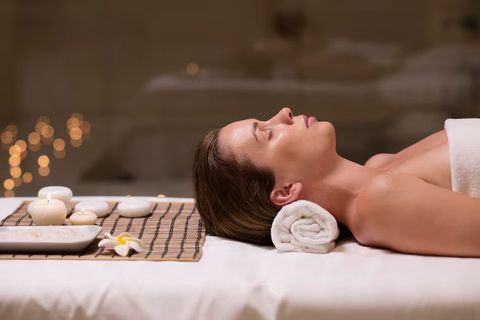
Luxury wellness retreats and spa tourism refer to travel experiences that combine accommodation, relaxation, and wellness-focused activities. These trips often include spa treatments, quiet surroundings, fitness or meditation sessions, healthy meals, and time away from daily routines.
The idea is not new, but the modern version of wellness travel has grown alongside increased interest in health, stress reduction, and restorative travel.
Spa tourism developed from older traditions of bathing, mineral springs, massage, and healing waters that were used in many cultures. Over time, these practices became part of organized travel experiences. Today, wellness retreats may be found in coastal resorts, mountain lodges, countryside properties, urban wellness centers, and destination hotels.
Many travelers choose these experiences because they want rest, privacy, or a structured environment focused on well-being. Others combine wellness travel with sightseeing, family time, or professional breaks. The idea can vary widely, but the common thread is a travel setting designed to support relaxation and personal care.
Common Features of Wellness Travel
Luxury wellness retreats and spa tourism can include a wide range of activities and settings.
| Feature | Typical Purpose |
|---|---|
| Spa treatments | Relaxation and physical comfort |
| Quiet accommodations | Rest and recovery |
| Movement activities | Physical well-being |
| Meditation or breathing sessions | Stress management |
| Healthy meal plans | Nutrition awareness |
| Nature settings | Calm surroundings |
These features help distinguish wellness travel from ordinary accommodation-focused trips.
Where Wellness Tourism Is Found
Wellness tourism can appear in many types of destinations:
- Beach resorts
- Mountain retreats
- Countryside lodges
- Desert properties
- Urban spa hotels
- Thermal spring areas
The location often shapes the type of experience available.
Importance
Supporting Rest in Busy Daily Life
Modern life often involves long work hours, screen time, commuting, and constant digital contact. Many people search for ways to step away from these routines and reset mentally and physically.
Wellness retreats and spa tourism address this need by creating spaces focused on rest, quiet, and structured relaxation.
Connecting Travel and Well-Being
Travel is not always about sightseeing or entertainment. Some journeys are planned with the specific intention of supporting health, balance, or emotional recovery.
Wellness travel can include activities that help guests slow down and focus on self-care, such as guided stretching, water-based treatments, or time in nature.
Meeting Different Travel Goals
People choose wellness travel for different reasons:
- Short breaks from work
- Time for reflection
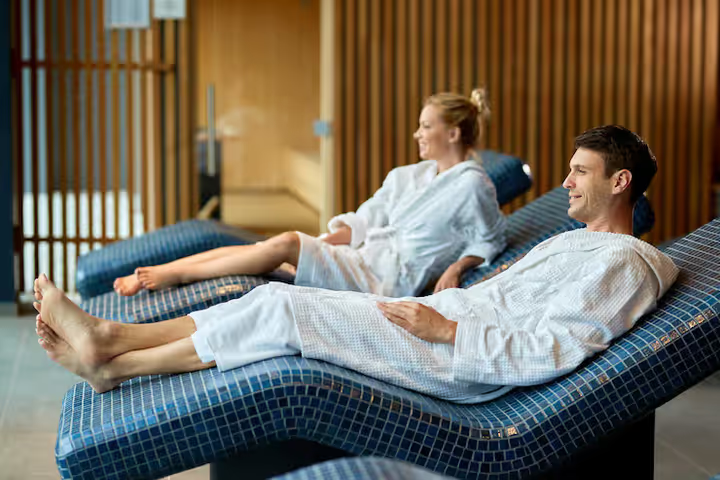
- Couples travel
- Solo rest periods
- Recovery from busy schedules
- Family wellness experiences
This flexibility has helped wellness tourism become a major part of modern travel planning.
Supporting Tourism Economies
Wellness travel contributes to local tourism by creating demand for accommodations, transportation, food, and related recreation. Regions with natural hot springs, coastal landscapes, or mountain environments often develop wellness-centered hospitality options.
This type of tourism can influence regional development and local employment.
Addressing Broader Wellness Interest
Interest in wellness has expanded beyond fitness or skincare. Many travelers now think about sleep quality, stress levels, movement, nutrition, and mental clarity as part of a broader personal health picture.
Wellness retreats fit into this wider interest by combining multiple elements in one travel experience.
Recent Updates
Stronger Focus on Holistic Wellness
Between 2024 and 2026, wellness travel has increasingly emphasized holistic well-being rather than only spa treatments. Many retreat programs now combine relaxation with movement, nutrition education, mindfulness, and outdoor activities.
This reflects a shift toward complete well-being experiences rather than single-activity stays.
Growth of Nature-Based Retreats
Many travelers now prefer settings that connect wellness with natural surroundings. Forest areas, mountains, lakes, deserts, and coastlines are often chosen for their calming environments.
This trend has encouraged more properties to highlight landscape, quiet spaces, and outdoor wellness activities.
Interest in Personalized Experiences
Wellness travel has become more personalized in recent years. Retreats often adapt programming to different age groups, physical needs, and travel goals.
Examples include:
- Individual wellness plans
- Couples-oriented experiences
- Group mindfulness sessions
- Activity choices based on energy level
- Flexible daily schedules
Personalization has become an important part of the hospitality experience.
Digital Well-Being Awareness
Many travelers now consider digital rest part of wellness. Some retreats encourage limited screen use or structured quiet time to reduce distraction.
This reflects broader awareness of the effects of constant digital engagement on daily life.
Sustainability in Wellness Tourism
Environmental awareness continues to influence wellness travel. Retreats increasingly pay attention to water use, energy consumption, locally sourced ingredients, and low-impact design.
Sustainability is becoming part of how many travelers evaluate destination quality.
Laws or Policies
Health and Safety Regulations
Wellness retreats and spa facilities operate under health and safety rules that vary by country and region. These may cover sanitation, treatment room standards, employee training, and equipment handling.
The goal is to reduce risk and maintain safe environments for guests.
Tourism and Hospitality Regulations
Accommodation providers must typically follow local tourism laws and hospitality standards. These rules can affect building safety, room occupancy, and public information practices.
Compliance requirements differ according to destination and property type.
Consumer Protection Standards
Travelers and guests are often protected by consumer laws that address pricing transparency, booking conditions, cancellations, and advertising accuracy.
Such rules help ensure that information presented to guests remains clear and understandable.
Privacy and Data Protection
Wellness properties may collect personal information, health preferences, or booking details. Privacy laws in many regions regulate how this information is stored and used.
These protections are especially important where personal wellness preferences are recorded during planning.
Environmental and Land-Use Policies
Some retreat locations operate near protected natural areas or in regions with environmental restrictions. Local policies may govern water use, construction, waste management, and land development.
These measures help protect fragile environments while supporting tourism.
Tools and Resources
Travelers interested in wellness retreats and spa tourism often use a mix of planning and information tools.
Destination Research Platforms
Travel websites and official tourism portals can help travelers compare locations, landscapes, and local travel conditions. These resources often include maps, seasonal information, and accommodation categories.
Weather and Climate Tools
Climate information is useful when selecting a retreat location. Weather resources can help travelers understand temperature, rainfall, humidity, and seasonal conditions.
Budget Planning Worksheets
Budget tools can help organize spending categories such as transportation, accommodation, meals, and wellness activities. These tools support broader travel planning without focusing on one particular price point.
Wellness Planning Templates
Some people use simple templates to plan personal goals for their trip, such as relaxation time, movement activities, digital rest, or sleep routines.
Resource Table
| Resource Type | Purpose |
|---|---|
| Tourism portals | Destination research |
| Weather tools | Climate planning |
| Budget worksheets | Trip organization |
| Wellness templates | Personal planning |
| Mapping applications | Location review |
These resources can make travel planning more structured and informed.
FAQs
What are luxury wellness retreats and spa tourism?
Luxury wellness retreats and spa tourism are travel experiences focused on relaxation, well-being, and restorative activities. They may include spa treatments, quiet accommodations, movement sessions, and healthy dining.
How is spa tourism different from regular travel?
Spa tourism places greater emphasis on rest, wellness, and planned relaxation activities. Regular travel may focus more on sightseeing, events, or general leisure.
What activities are common at wellness retreats?
Common activities include massage-based treatments, meditation, yoga, breathing exercises, water therapy, and outdoor relaxation. Programs vary by location and retreat style.
Who usually chooses wellness travel?
People of many ages and backgrounds choose wellness travel, including solo travelers, couples, families, and groups looking for rest or a change from routine.
Are wellness retreats only found in resorts?
No. Wellness retreats can be found in resorts, boutique hotels, countryside lodges, mountain properties, urban spa centers, and nature-based destinations.
Conclusion
Luxury wellness retreats and spa tourism form an important part of modern travel by combining rest, wellness, and destination-based experiences. The field has expanded as more travelers look for ways to manage stress and create time for personal well-being. Recent trends include personalized programs, nature-centered settings, sustainability awareness, and a broader focus on holistic well-being. Understanding these developments can help explain why wellness travel continues to grow across many regions.