Maximizing Efficiency: A Comprehensive Guide to Conveyor Belt Systems
Conveyor belt systems are widely used in industries to move materials from one place to another in a continuous and organized way. From manufacturing plants to airports and warehouses, these systems help handle goods efficiently without requiring constant manual effort. The basic idea behind a conveyor system is simple: a moving belt carries items along a predefined path.
The concept of conveyor systems dates back to early industrial development, when mechanized processes began to replace manual labor. Over time, these systems have evolved into more advanced setups that include automation, sensors, and digital monitoring. Today, conveyor belt systems are an essential part of modern logistics and production environments.
They are used for transporting a variety of materials, including raw goods, packaged items, and bulk materials. Depending on the application, conveyor systems can vary in size, design, and complexity, making them adaptable to different industries and needs.
Importance
Conveyor belt systems play a significant role in improving efficiency across multiple sectors. By automating the movement of materials, they reduce the need for manual handling, which can help minimize delays and improve workflow consistency.
In manufacturing environments, conveyor systems support continuous production by ensuring that materials are delivered to the right place at the right time. In logistics and warehousing, they help organize and transport goods more effectively, especially in large facilities where manual movement would be time-consuming.
Some key benefits include:
- Improved productivity, as materials move continuously without interruption
- Reduced physical strain on workers, lowering the risk of workplace injuries
- Better organization of goods, leading to fewer errors in handling
- Time savings in processes such as sorting, packing, and distribution
These systems also help businesses manage increasing demand by streamlining operations. As industries grow more complex, the need for reliable material handling solutions becomes more important.
Recent Updates
Recent developments in conveyor belt systems reflect the growing influence of automation and digital technologies. One noticeable trend is the integration of smart sensors that monitor belt speed, load weight, and system performance in real time. These sensors help detect issues early and improve maintenance planning.
Another trend is the use of energy-efficient materials and designs. Manufacturers are focusing on reducing power consumption by using lightweight belts and optimized motor systems. This supports sustainability efforts and reduces environmental impact.
Automation has also expanded with the use of robotics and artificial intelligence. Conveyor systems are now often connected to automated sorting machines and robotic arms, allowing for faster and more accurate handling of goods.
Additionally, modular conveyor designs are becoming more common. These systems allow for easier customization and expansion, making them suitable for businesses that need flexible solutions as their operations grow or change.
Laws or Policies
Conveyor belt systems are subject to various safety and operational regulations, which vary by country but generally focus on protecting workers and ensuring safe equipment use.
In India, workplace safety regulations are guided by frameworks such as the Factories Act and occupational safety standards. These rules require proper installation, regular inspection, and maintenance of conveyor systems to prevent accidents.
Common regulatory requirements include:
- Installation of safety guards to prevent contact with moving parts
- Emergency stop mechanisms that can quickly halt the system
- Clear signage and instructions for safe operation
- Routine inspections to identify wear and potential hazards
Employers are typically responsible for ensuring that conveyor systems are used safely and maintained according to established guidelines. Compliance with these regulations helps reduce risks and supports a safer working environment.
Tools and Resources
Various tools and resources are available to support the design, operation, and maintenance of conveyor belt systems. These tools help improve efficiency and ensure smooth functioning.
Some commonly used resources include:
- Design software, such as CAD-based platforms, helps engineers plan conveyor layouts and simulate performance
- Monitoring systems, including sensors and control panels, track speed, load, and system health
- Maintenance checklists and scheduling tools help ensure regular inspections and timely repairs
- Training materials, including manuals and online learning platforms, support safe and effective system use
Below is a simple table showing different types of conveyor belt systems and their typical uses:
| Conveyor Type | Common Use Case | Key Feature |
|---|---|---|
| Belt Conveyor | Transporting packaged goods | Continuous flat surface |
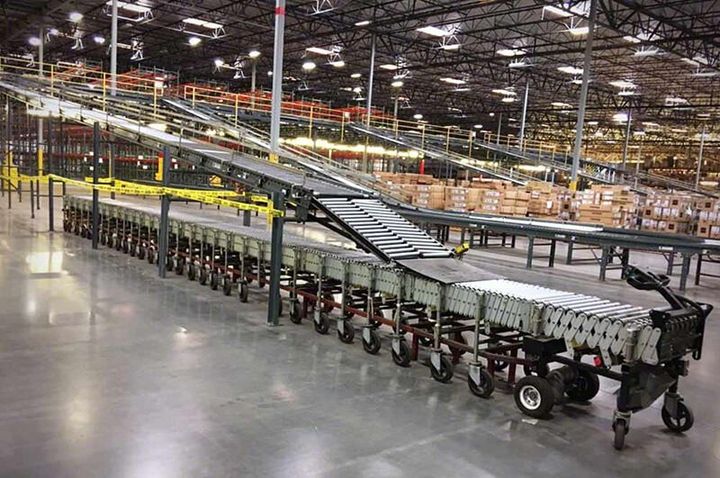
| Roller Conveyor | Moving boxes and pallets | Uses rollers for movement |
| Chain Conveyor | Heavy-duty material handling | Strong chains for durability |
| Screw Conveyor | Handling bulk materials like grains | Rotating screw mechanism |
| Incline Conveyor | Moving items between different heights | Adjustable angle |
These tools and systems contribute to better planning, operation, and long-term reliability.
FAQs
What are conveyor belt systems used for?
Conveyor belt systems are used to transport materials and goods within a facility. They are commonly found in industries such as manufacturing, logistics, mining, and food processing.
How do conveyor belt systems improve efficiency?
They improve efficiency by automating material movement, reducing manual handling, and ensuring a steady flow of goods. This helps save time and maintain consistent operations.
What types of conveyor belt systems are commonly used?
Common types include belt conveyors, roller conveyors, chain conveyors, and screw conveyors. Each type is designed for specific materials and operational needs.
Are conveyor belt systems safe to use?
When properly installed and maintained, conveyor belt systems are considered safe. Safety features such as guards, sensors, and emergency stops help reduce risks.
What maintenance is required for conveyor belt systems?
Regular maintenance includes checking belt alignment, inspecting components for wear, cleaning the system, and ensuring that all safety features are functioning correctly.
Conclusion
Conveyor belt systems are an important part of modern industrial and logistics operations. They help move materials efficiently, reduce manual effort, and support consistent workflows. Advances in technology have made these systems more adaptable and easier to monitor. Understanding how they work and how they are maintained can help individuals and organizations use them effectively. As industries continue to evolve, conveyor systems remain a key element in improving operational efficiency.