Motion sensor lighting furniture refers to furniture pieces integrated with motion detection technology that automatically control lighting. These systems use sensors such as infrared or microwave detection to identify movement and activate lights accordingly. Common examples include wardrobes with automatic interior lighting, beds with underglow lights, and cabinets that illuminate when opened.
The primary purpose of this innovation is to enhance convenience, energy efficiency, and user experience. Instead of relying on manual switches, users benefit from seamless lighting that responds to their presence. This concept is part of broader smart home automation, where everyday objects are enhanced with responsive technology.
Motion sensor lighting furniture exists to simplify daily routines, improve accessibility, and reduce unnecessary energy consumption. It is especially useful in low-light environments, during nighttime movement, or for individuals who require hands-free operation.
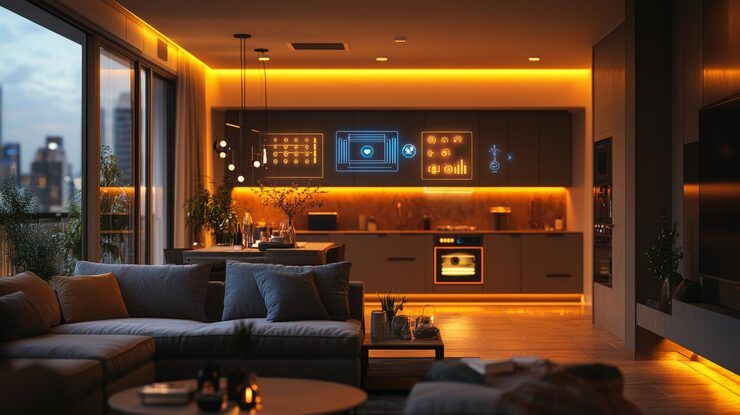
Why Motion Sensor Lighting Furniture Matters Today
The growing adoption of smart home automation has made motion sensor lighting furniture increasingly relevant. As urban living spaces become more compact and technology-driven, users seek solutions that combine functionality with efficiency.
This topic matters because it addresses several modern challenges:
-
Energy Efficiency: Lights activate only when needed, reducing power usage.
-
User Convenience: Eliminates the need for manual switching, especially in dark or hard-to-reach areas.
-
Safety and Accessibility: Helps prevent accidents in low-light conditions, particularly for elderly individuals or children.
-
Modern Living Expectations: Aligns with the increasing demand for intelligent and responsive home environments.
The impact is widespread, affecting homeowners, interior designers, architects, and technology developers. It also supports sustainability goals by minimizing energy waste.
Below is a simplified comparison of traditional lighting versus motion sensor lighting furniture:
| Feature | Traditional Lighting | Motion Sensor Lighting Furniture |
|---|---|---|
| Manual Operation | Required | Not required |
| Energy Usage | Continuous | Optimized |
| Convenience | Moderate | High |
| Smart Integration | Limited | Advanced |
| Safety Enhancement | Basic | Improved |
Recent Trends and Updates in Motion Sensor Lighting Furniture
In the past year (2025–2026), several advancements have influenced the development and adoption of motion sensor lighting furniture:
-
AI-Based Motion Detection (2025): New systems use artificial intelligence to differentiate between human movement and background activity, reducing false triggers.
-
Integration with IoT Platforms (2025): Furniture now connects with broader smart home ecosystems, enabling centralized control through mobile apps.
-
Energy Monitoring Features (2026): Some designs include real-time tracking of energy usage, helping users understand consumption patterns.
-
Wireless and Battery Optimization (2025): Improvements in battery efficiency and wireless technology have made installation easier and more flexible.
-
Minimalist and Modular Designs (2026): Furniture is increasingly designed to blend seamlessly into modern interiors while maintaining functionality.
Regulations and Policies Affecting Motion Sensor Lighting Furniture
Motion sensor lighting furniture is influenced by various regulations, particularly in countries like India where energy efficiency and electronic safety standards are evolving.
Key regulatory considerations include:
-
Energy Efficiency Standards: Government programs encourage the use of energy-saving technologies. Motion sensor lighting aligns with these goals by reducing electricity consumption.
-
Electrical Safety Compliance: Furniture with integrated electronics must meet safety standards for wiring, insulation, and usage.
-
Smart Device Guidelines: As part of connected ecosystems, these products may need to comply with data privacy and cybersecurity recommendations.
-
Sustainable Development Policies: Initiatives promoting eco-friendly living indirectly support the adoption of such technologies.
In India, programs promoting efficient lighting systems have increased awareness of automated lighting solutions. While motion sensor furniture is still emerging, it fits within broader sustainability and smart city initiatives.
Tools and Resources for Motion Sensor Lighting Furniture
Understanding and implementing motion sensor lighting furniture can be supported by various tools and resources:
Design and Planning Tools
-
Smart home layout planners
-
Interior design software with lighting simulation
-
Electrical load calculators
Mobile Applications
-
Smart home control apps for lighting automation
-
Energy monitoring apps to track usage patterns
-
Device integration platforms for IoT connectivity
Online Resources
-
Educational websites on smart home automation
-
Manufacturer documentation and user guides
-
Community forums discussing real-world setups
Templates and Checklists
-
Installation planning checklists
-
Maintenance schedules
-
Energy optimization templates
These resources help users plan, implement, and maintain motion sensor lighting furniture effectively.
Frequently Asked Questions About Motion Sensor Lighting Furniture
What types of sensors are used in motion sensor lighting furniture?
Most systems use passive infrared (PIR) sensors, microwave sensors, or ultrasonic sensors. PIR sensors detect body heat, while microwave sensors use radio waves for motion detection.
Is motion sensor lighting furniture suitable for all rooms?
Yes, it can be used in bedrooms, kitchens, wardrobes, bathrooms, and hallways. The suitability depends on placement and user needs.
Does it require complex installation?
Installation complexity varies. Some designs are plug-and-play, while others may require basic electrical setup or integration with smart home systems.
How does it improve energy efficiency?
Lights activate only when motion is detected and turn off automatically after a set period, reducing unnecessary energy consumption.
Can it be integrated with other smart devices?
Many modern systems support integration with smart home platforms, allowing synchronized control with other devices like thermostats and security systems.
Conclusion: The Future of Smart Furniture with Motion Sensor Lighting
Motion sensor lighting furniture represents a significant step toward intelligent living environments. By combining automation, efficiency, and user-centric design, it transforms how people interact with everyday objects.
As technology continues to evolve, these systems are likely to become more advanced, affordable, and widely adopted. Integration with artificial intelligence, improved energy tracking, and seamless connectivity will further enhance their capabilities.
For individuals exploring smart home solutions, motion sensor lighting furniture offers a practical and forward-thinking approach. It not only simplifies daily routines but also contributes to sustainability and modern living standards.