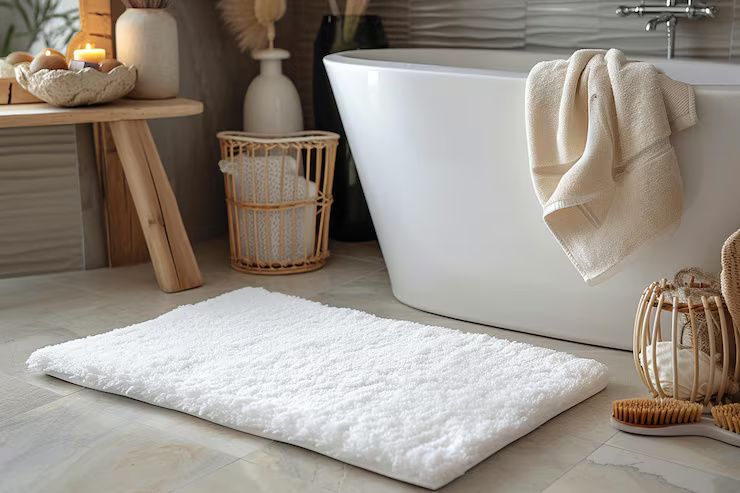
A non-slip bath mat is a specially designed bathroom accessory placed on floors near showers, bathtubs, or sinks to reduce the risk of slipping. Bathrooms are naturally wet environments, making surfaces like tiles or marble floors potentially hazardous. This is where non-slip bath mats play a crucial role.
These mats are engineered with anti-slip backing materials such as rubber, PVC, or silicone that grip the floor surface. The top layer is often designed to absorb water quickly, keeping the surface dry and comfortable for users.
The primary purpose of a non-slip bath mat is safety, but it also contributes to hygiene and comfort. It helps prevent water from spreading across the floor, reducing the chances of accidents and maintaining cleanliness.
Modern designs have evolved to include antimicrobial properties, quick-drying fabrics, and ergonomic textures, making them more efficient and user-friendly than traditional bath mats.
Why Non-Slip Bath Mats Matter Today
Bathroom safety has become increasingly important, especially in homes with children, elderly individuals, or people with mobility challenges. Slips and falls in bathrooms are a common cause of injuries, making preventive measures essential.
Non-slip bath mats help address several practical problems:
-
Accident prevention: They provide traction on wet surfaces
-
Water absorption: Keeps floors dry and reduces water pooling
-
Hygiene improvement: Limits mold and bacterial growth when properly maintained
-
Comfort: Soft textures offer a pleasant feel underfoot
Who benefits the most
-
Families with young children
-
Elderly individuals
-
People recovering from injuries
-
Households with tiled or polished flooring
In modern homes, bathroom safety is not just a convenience—it is a necessity. With increasing awareness about home safety standards, non-slip bath mats are becoming a common household essential.
Recent Trends and Updates (2025–2026)
Over the past year, several developments have influenced the design and use of non-slip bath mats.
Material Innovations
-
2025: Increased use of eco-friendly materials such as bamboo fiber and recycled rubber
-
2026: Growth in antimicrobial coatings that help reduce bacteria buildup
Smart Design Features
-
Quick-dry technology to reduce moisture retention
-
Textured surfaces for improved grip
-
Suction-based backing for stronger floor adhesion
Consumer Preferences
-
Minimalist and aesthetic designs that match modern bathroom interiors
-
Lightweight mats for easy cleaning and repositioning
-
Foldable and compact options for smaller spaces
Sustainability Focus
Environmental awareness has led to a shift toward sustainable materials and manufacturing processes. Many products now emphasize reduced chemical usage and recyclable components.
Laws, Standards, and Safety Guidelines
While non-slip bath mats themselves may not be heavily regulated in all regions, they are indirectly influenced by safety and consumer product standards.
General Safety Standards
-
Products must comply with material safety regulations, ensuring they are non-toxic
-
Anti-slip features should meet friction and grip standards in some countries
India-Specific Context
In India, consumer safety falls under general product guidelines such as:
-
Bureau of Indian Standards (BIS) recommendations for household products
-
Consumer protection laws ensuring safe usage and accurate labeling
Workplace and Public Spaces
In commercial or public environments, bathroom safety is often governed by building codes and occupational safety regulations. Non-slip mats may be recommended as part of safety compliance measures.
Hygiene Considerations
-
Materials should resist mold and mildew
-
Easy cleaning and maintenance are encouraged to meet hygiene expectations
Tools and Resources for Choosing and Maintaining Bath Mats
Selecting the right non-slip bath mat involves understanding materials, size, and placement. Several tools and resources can help.
Useful Tools
-
Bathroom layout planners: Help determine correct mat size and placement
-
Material comparison charts: Compare absorbency, durability, and grip
-
Moisture level indicators: Used in smart homes to monitor bathroom humidity
Helpful Resources
-
Online home improvement guides
-
Interior design platforms for bathroom styling ideas
-
Safety checklists for home environments
Example Comparison Table
| Feature | Cotton Mat | Microfiber Mat | Rubber Mat |
|---|---|---|---|
| Absorbency | High | Very High | Low |
| Drying Speed | Moderate | Fast | Very Fast |
| Slip Resistance | Medium | High | Very High |
| Maintenance | Easy | Easy | Very Easy |
| Comfort Level | Soft | Very Soft | Firm |
Maintenance Tips
-
Wash regularly to prevent bacteria buildup
-
Air dry completely after cleaning
-
Avoid placing on uneven surfaces
-
Replace when grip starts to weaken
Frequently Asked Questions (FAQs)
What materials are best for non-slip bath mats?
Common materials include rubber, PVC, microfiber, and cotton blends. Rubber provides strong grip, while microfiber offers excellent absorbency.
How often should a bath mat be cleaned?
It is recommended to clean bath mats at least once a week, depending on usage. Frequent cleaning helps maintain hygiene and prevents mold growth.
Can non-slip bath mats damage flooring?
Most mats are designed to be safe for flooring. However, prolonged moisture under the mat may affect certain surfaces. Regular drying helps prevent this.
Are non-slip bath mats suitable for all bathroom types?
Yes, they are suitable for most bathrooms, including tiled, marble, and vinyl flooring. Choosing the right size and material ensures better performance.
How long does a non-slip bath mat typically last?
The lifespan depends on material quality and maintenance. On average, a well-maintained mat can last several months to a few years.
Understanding Performance Through Simple Data
Below is a simplified representation of how different features contribute to overall performance:
| Feature Importance (%) |
|---|
| Slip Resistance: 40% |
| Absorbency: 25% |
| Durability: 20% |
| Comfort: 10% |
| Design: 5% |
This shows that safety-related features like slip resistance and absorbency are the most critical factors.
Conclusion
Non-slip bath mats are a practical and essential addition to modern bathrooms. They address key concerns such as safety, hygiene, and comfort in wet environments. With advancements in materials and design, these mats have evolved to meet the needs of different households.
Understanding the purpose, materials, and maintenance of non-slip bath mats helps in making informed decisions. Recent trends show a clear shift toward eco-friendly options, improved safety features, and better design integration.
As awareness of home safety continues to grow, non-slip bath mats remain a simple yet effective solution for preventing accidents and maintaining a clean bathroom environment.