Paper Manufacturing: A Complete Guide to the Process, Technologies, and Applications
Paper manufacturing is the industrial process of converting raw materials such as wood fibers, recycled paper, and other cellulose-based materials into paper products used in everyday life. Paper is found in books, newspapers, packaging materials, office supplies, hygiene products, labels, and numerous industrial applications.
The history of paper production dates back centuries, but modern paper manufacturing has evolved into a highly organized industrial activity supported by advanced technology and automation. Today's production facilities use specialized paper manufacturing machinery and complex industrial paper production systems to produce large quantities of paper with consistent quality.
The process typically begins with the preparation of pulp, which consists of cellulose fibers derived from wood, recycled paper, or alternative plant materials. These fibers are processed, refined, formed into sheets, pressed, dried, and finished before reaching consumers and businesses.
Modern facilities often work with paper mill equipment suppliers, paper production line suppliers, and pulp and paper manufacturing equipment specialists when building or upgrading production operations. In some cases, complete turnkey paper manufacturing plants are developed to integrate all stages of production into a single facility.
Importance
Paper manufacturing remains an important industry despite the growth of digital technologies. Paper products continue to support communication, education, packaging, sanitation, and industrial operations.
Supporting Daily Activities
Paper products are used in homes, schools, offices, healthcare facilities, and businesses. Common applications include:
- Books and educational materials
- Packaging and shipping materials
- Tissue and hygiene products
- Labels and documentation
- Printing and publishing materials
These products support many aspects of daily life and economic activity.
Contributing to Packaging Industries
The growth of e-commerce and product distribution has increased demand for paper-based packaging materials. Paper and cardboard products are widely used for transporting goods and protecting products during shipment.
Paper manufacturing plays a central role in meeting these packaging requirements.
Encouraging Recycling and Resource Recovery
Many paper products can be recycled and reprocessed into new materials. Recycling programs help reduce waste and contribute to more efficient use of resources.
Modern industrial paper production systems often incorporate recycled fiber alongside virgin pulp materials.
Supporting Industrial Supply Chains
Paper production connects forestry operations, recycling facilities, transportation networks, manufacturing plants, and distribution systems. The industry contributes to a broad network of economic activities.
Recent Updates
Paper manufacturing continues to evolve as companies adopt new technologies and respond to environmental and market trends.
Increased Automation
Automation technologies are becoming more common throughout paper mills. Advanced control systems help monitor production conditions, equipment performance, and product quality.
Many paper manufacturing machinery systems now include digital monitoring capabilities that support operational efficiency.
Expansion of Sustainable Practices
Environmental considerations continue to influence paper production. Manufacturers are focusing on resource management, water conservation, energy efficiency, and fiber recovery initiatives.
These efforts align with broader sustainability objectives across manufacturing industries.
Growth of Smart Manufacturing
Industrial paper production systems increasingly use sensors, data analytics, and connected equipment to improve process visibility.
Digital technologies help operators monitor production activities and identify opportunities for process improvement.
Development of Advanced Packaging Materials
The demand for packaging materials has encouraged ongoing innovation in paper-based products. Manufacturers continue to develop materials designed for various packaging applications and performance requirements.
Improved Recycling Technologies
Advances in recycling equipment and fiber recovery processes have enhanced the ability to process recovered paper materials and integrate them into production workflows.
Laws or Policies
Paper manufacturing is influenced by regulations related to environmental protection, workplace safety, forestry management, and product standards.
Forestry Management Regulations
Many countries regulate timber harvesting and forest management activities. These regulations help support responsible forestry practices and long-term resource sustainability.
Manufacturers may be required to document the origin of raw materials used in production.
Environmental Compliance
Paper production facilities are often subject to environmental regulations addressing:
- Air emissions
- Water usage
- Waste management
- Effluent treatment
- Resource conservation
Compliance requirements vary depending on location and production processes.
Workplace Safety Requirements
Paper mills contain large machinery, moving equipment, and industrial processing systems. Safety regulations help reduce workplace risks and support safe operating conditions.
Product Standards
Certain paper products may be subject to quality standards and testing requirements. These standards help define characteristics such as strength, thickness, performance, and product consistency.
| Regulatory Area | Purpose |
|---|---|
| Forestry Management | Supports sustainable resource use |
| Environmental Protection | Reduces environmental impacts |
| Workplace Safety | Protects workers and operations |
| Product Standards | Promotes quality consistency |
| Waste Management | Supports responsible disposal practices |
Tools and Resources
Various tools and resources support paper manufacturing operations and production management.
Production Monitoring Systems
Modern facilities often use digital platforms that monitor machine performance, production output, and process conditions in real time.
These systems help operators understand how production lines are performing.
Quality Control Software
Quality management platforms assist manufacturers in tracking product specifications, inspection results, and production consistency.
Such tools are frequently integrated into industrial paper production systems.
Maintenance Management Platforms
Maintenance software helps facilities schedule equipment inspections, track repairs, and manage operational reliability.
These tools are important for facilities operating extensive paper manufacturing machinery.
Process Simulation Software
Engineers use simulation tools to evaluate production processes, equipment layouts, and manufacturing efficiency.
These resources support planning and operational decision-making.
Environmental Monitoring Systems
Environmental monitoring platforms help facilities track emissions, water consumption, and other sustainability-related metrics.
Understanding the Paper Manufacturing Process
Raw Material Preparation
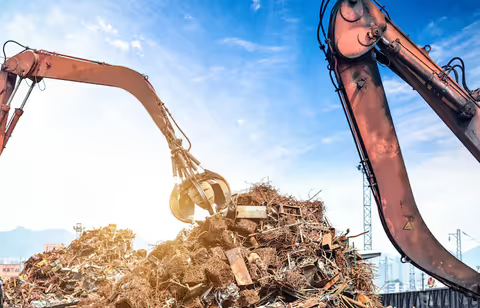
The process begins with the collection and preparation of raw materials. These materials may include wood chips, recycled paper, or alternative plant fibers.
The selected materials are processed into pulp, which serves as the foundation of paper production.
Pulp Production
Pulp consists of cellulose fibers separated from raw materials through mechanical, chemical, or combined processing methods.
Different pulping techniques are used depending on the desired paper characteristics.
Cleaning and Refining
The pulp undergoes cleaning and refining processes to remove impurities and improve fiber quality.
This stage helps prepare the material for sheet formation.
Sheet Formation
The refined pulp is mixed with water and distributed onto moving screens. Water drains away while fibers bond together to form a continuous paper sheet.
This stage is one of the most important parts of paper manufacturing.
Pressing and Drying
The paper sheet passes through rollers that remove additional moisture.
Drying systems then reduce moisture levels further, creating a stable paper product suitable for finishing.
Finishing Operations
Finished paper may undergo additional processes such as coating, calendaring, cutting, or packaging depending on its intended use.
Equipment Used in Paper Production
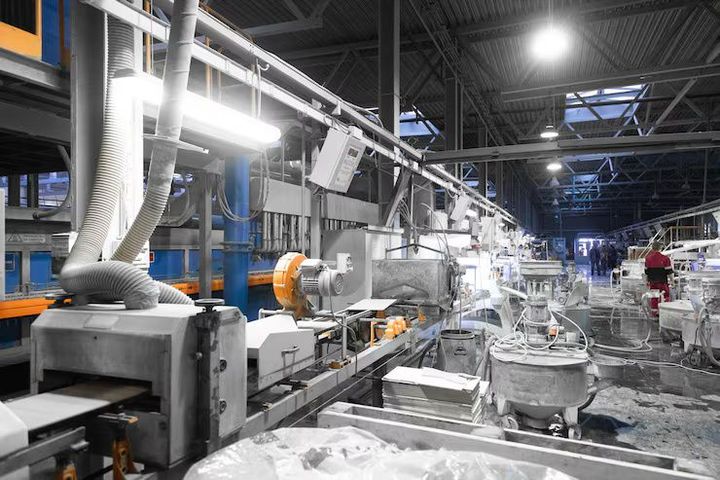
Modern facilities rely on a variety of specialized equipment.
Pulp Preparation Systems
Pulp and paper manufacturing equipment includes machinery used to prepare, clean, and refine fiber materials before sheet formation.
Paper Machines
Paper machines form, press, and dry paper sheets through a continuous production process.
These machines represent the core of most paper manufacturing facilities.
Converting Equipment
Paper converting machinery manufacturers produce equipment used to transform large paper rolls into finished products such as sheets, packaging materials, and specialty paper items.
Material Handling Systems
Conveyors, automated storage systems, and transportation equipment help move materials throughout production facilities.
Quality Inspection Equipment
Inspection systems monitor product dimensions, surface quality, and production consistency.
Industry Participants
Paper Mill Equipment Suppliers
Paper mill equipment suppliers provide machinery, components, and technical equipment used in paper production facilities.
Paper Production Line Suppliers
Paper production line suppliers support the development of complete manufacturing systems that integrate multiple stages of paper production.
Equipment Manufacturers
Pulp and paper manufacturing equipment manufacturers develop machinery used throughout the production process, from raw material preparation to finishing operations.
Plant Development Organizations
Companies involved in turnkey paper manufacturing plants coordinate equipment integration, facility design, and production infrastructure development.
FAQs
What is paper manufacturing?
Paper manufacturing is the process of converting cellulose-based raw materials into paper products through pulping, sheet formation, pressing, drying, and finishing operations.
What types of paper manufacturing machinery are commonly used?
Paper manufacturing machinery includes pulp preparation equipment, paper machines, drying systems, finishing equipment, and quality inspection technologies.
What do paper mill equipment suppliers provide?
Paper mill equipment suppliers provide machinery, components, and production systems used in paper manufacturing facilities.
What is the role of paper converting machinery manufacturers?
Paper converting machinery manufacturers develop equipment that transforms large paper rolls into finished products such as sheets, packaging materials, labels, and specialty paper items.
What are turnkey paper manufacturing plants?
Turnkey paper manufacturing plants are integrated production facilities that combine raw material processing, paper production equipment, finishing systems, and supporting infrastructure within a coordinated manufacturing environment.
Conclusion
Paper manufacturing remains an important industrial activity that supports education, packaging, communication, and numerous commercial applications. Modern facilities rely on advanced paper manufacturing machinery, industrial paper production systems, and digital technologies to manage production processes efficiently. Paper mill equipment suppliers, paper production line suppliers, and paper converting machinery manufacturers contribute to the industry's ongoing development. As sustainability, automation, and recycling technologies continue to evolve, they are expected to remain important influences on the future of paper production.