PCB Routing Machines Insights: Improving Accuracy and Manufacturing Efficiency
Printed circuit boards (PCBs) form the foundation of many electronic products, from household appliances to communication devices and industrial systems. As electronics have become smaller and more advanced, manufacturing methods have also changed. PCB routing machines are an important part of this process because they separate finished circuit boards accurately and efficiently after production.
The development of PCB routing machine manufacturers, automatic PCB routing machines, industrial PCB depaneling equipment, CNC PCB routing systems, laser PCB depaneling machines, PCB fabrication equipment, and turnkey PCB manufacturing solutions reflects the growing need for precise production methods. At the same time, Industry 4.0 PCB production technologies continue to shape how factories manage automation, quality, and data throughout manufacturing.
Context
Understanding PCB Routing Machines
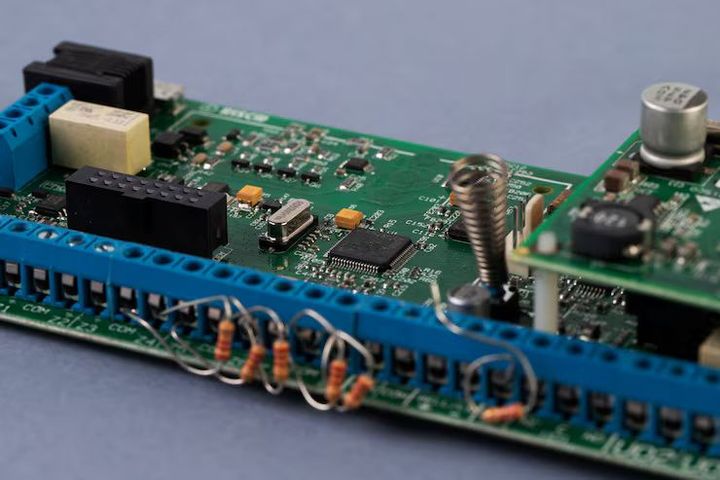
A PCB routing machine is specialized equipment used to separate individual printed circuit boards from larger manufacturing panels. During production, multiple boards are commonly created on one panel to improve manufacturing efficiency. After assembly, each board must be separated without damaging electronic components or circuit traces.
Unlike manual separation methods, routing machines use computer-controlled cutting tools to follow programmed paths. This process creates clean edges and reduces the possibility of mechanical stress on delicate electronic assemblies.
How PCB Routing Developed
Early PCB separation often depended on manual tools or simple mechanical methods. As electronic devices became smaller and more complex, manufacturers required greater precision and repeatability.
Modern PCB routing machine manufacturers have developed equipment capable of handling different board sizes, materials, and production volumes. These systems often combine computer software, automated movement, and advanced sensors to improve consistency throughout manufacturing.
Types of PCB Routing Equipment
Several technologies are commonly used during PCB separation.
| Equipment Type | Typical Purpose | Main Characteristics |
|---|---|---|
| CNC PCB routing systems | Mechanical cutting | High precision with programmable paths |
| Automatic PCB routing machines | Automated production | Reduced manual handling |
| Laser PCB depaneling machines | Non-contact separation | Suitable for delicate materials |
| Industrial PCB depaneling equipment | High-volume manufacturing | Supports continuous production |
| Manual routing equipment | Small-scale applications | Operator-controlled process |
Each type has different advantages depending on board design, production volume, and manufacturing requirements.
Importance
Supporting Modern Electronics Manufacturing
Electronic products appear in homes, hospitals, transportation systems, factories, and communication networks. PCB routing machines help manufacturers produce these electronic assemblies with consistent dimensions and accurate separation.
Clean cutting reduces the possibility of damaged circuit boards, helping maintain product quality throughout production.
Improving Manufacturing Accuracy
Modern electronics often contain densely packed components positioned close to board edges. Accurate routing minimizes unnecessary vibration and helps protect sensitive electronic parts.
Automatic PCB routing machines also improve production consistency by following programmed cutting paths rather than depending entirely on manual operation.
Helping Different Industries
PCB fabrication equipment supports many sectors, including:
- Consumer electronics
- Automotive manufacturing
- Medical device production
- Aerospace electronics
- Industrial automation
- Telecommunications
- Renewable energy equipment
- Scientific instruments
Although production requirements differ between industries, accurate PCB separation remains an important manufacturing step.
Supporting Efficient Production
Industrial PCB depaneling equipment contributes to organized manufacturing workflows. Automated handling reduces repetitive manual processes while allowing production lines to operate with greater consistency.
Many facilities also integrate routing machines with inspection systems and production management software, creating smoother coordination across multiple manufacturing stages.
Recent Updates
Growing Automation
Recent manufacturing trends show continued movement toward higher levels of automation. Automatic PCB routing machines now frequently communicate with other production equipment through shared digital systems.
This connected approach allows production information to move between machines, helping operators monitor manufacturing progress more efficiently.
Expansion of Industry 4.0 Technologies
Industry 4.0 PCB production technologies continue to influence factory design. These technologies combine automation, sensors, software, and data analysis to improve manufacturing visibility.
Common developments include:
- Real-time production monitoring
- Digital production records
- Automated maintenance alerts
- Machine performance analysis
- Remote production supervision
- Improved traceability throughout manufacturing
These capabilities help manufacturers understand production conditions without changing the physical routing process itself.
Increased Interest in Laser Systems
Laser PCB depaneling machines continue gaining attention for applications involving delicate circuit boards. Because laser cutting does not require direct contact with the material, it can reduce mechanical stress during separation.
Laser systems are particularly useful when electronic components are located very close to cutting paths or when thin materials require careful handling.
Flexible Manufacturing
Modern production increasingly involves shorter product life cycles and more frequent design updates. CNC PCB routing systems support this trend because cutting programs can be modified through software instead of changing mechanical tooling for every new board design.
This flexibility allows manufacturers to adapt production for different PCB layouts while maintaining consistent cutting accuracy.
Integrated Manufacturing Solutions
Turnkey PCB manufacturing solutions have become more common as factories seek integrated production environments. These systems may combine PCB fabrication equipment, routing machines, inspection equipment, material handling systems, and production software within a coordinated workflow.
Rather than functioning independently, multiple machines communicate with each other to improve manufacturing organization.
Laws or Policies
Product Safety Standards
PCB production is influenced by national and international product safety standards. While regulations differ between countries, manufacturers generally follow documented quality management procedures and technical standards throughout production.
Many organizations use internationally recognized quality frameworks to maintain consistent manufacturing practices.
Environmental Regulations
Electronic manufacturing must also comply with environmental requirements related to materials and waste management.
Examples include regulations covering:
- Hazardous substance restrictions
- Electronic waste management
- Chemical handling procedures
- Air emission controls
- Recycling practices
These policies encourage responsible manufacturing while supporting environmental protection.
Workplace Safety Requirements
Factories using PCB fabrication equipment follow workplace safety regulations covering machine operation, protective equipment, electrical safety, and operator training.
Automated systems frequently include protective enclosures, emergency stop controls, and safety sensors designed to reduce operational risks.
International Manufacturing Standards
Global electronics manufacturing commonly follows technical standards developed by recognized industry organizations. These standards define inspection methods, manufacturing quality expectations, testing procedures, and documentation practices.
Although specific standards vary between products and regions, they support consistent manufacturing across international supply chains.
Tools and Resources
Computer-Aided Design Software
PCB layouts are commonly created using electronic design software before manufacturing begins. These programs generate the digital files used by CNC PCB routing systems during production.
Examples include:
- KiCad
- Autodesk Fusion Electronics
- Altium Designer
- Cadence Allegro
- Siemens Xpedition
Manufacturing File Formats
Standard manufacturing files allow different equipment to exchange production information accurately.
Common file formats include:
- Gerber files
- Excellon drill files
- IPC manufacturing formats
- Bill of Materials (BOM)
- Pick-and-place files
These digital documents guide different stages of PCB production.
Inspection Technologies
Quality inspection plays an important role alongside routing equipment.
Frequently used inspection technologies include:
- Automated Optical Inspection (AOI)
- X-ray inspection
- Electrical testing systems
- Dimensional measurement tools
- Surface inspection cameras
These tools help identify manufacturing issues before finished boards move into later production stages.
Educational Resources
Individuals interested in understanding PCB production can explore information published by:
- IPC
- IEEE
- Electronics manufacturing associations
- University engineering departments
- Technical journals focused on electronics manufacturing
These resources explain manufacturing concepts, design standards, and production methods in greater detail.
FAQs
What do PCB routing machine manufacturers produce?
PCB routing machine manufacturers develop equipment used to separate completed printed circuit boards from larger production panels. Their equipment may include manual, automated, CNC, and laser-based routing technologies for different manufacturing environments.
How do automatic PCB routing machines improve production?
Automatic PCB routing machines follow programmed cutting paths with minimal manual intervention. This supports consistent board separation while reducing repetitive handling during manufacturing.
What is the difference between CNC PCB routing systems and laser PCB depaneling machines?
CNC PCB routing systems use rotating cutting tools to remove material mechanically. Laser PCB depaneling machines use focused laser energy to separate boards without direct physical contact, making them suitable for certain delicate applications.
What is industrial PCB depaneling equipment used for?
Industrial PCB depaneling equipment separates circuit boards during medium- and high-volume electronics manufacturing. These systems are commonly integrated with other PCB fabrication equipment within automated production lines.
What are turnkey PCB manufacturing solutions?
Turnkey PCB manufacturing solutions combine multiple stages of electronics production into one coordinated manufacturing process. These systems may include design preparation, PCB fabrication equipment, assembly, inspection, routing, testing, and production management software.
Conclusion
PCB routing machines play an important role in modern electronics manufacturing by separating completed circuit boards accurately and consistently. Advances in automation, CNC technology, laser processing, and Industry 4.0 PCB production technologies continue to shape manufacturing practices across many industries. PCB fabrication equipment and integrated production systems support organized workflows while maintaining manufacturing quality. As electronic products continue evolving, PCB routing technologies remain an essential part of efficient circuit board production.