Physiotherapy is a healthcare field focused on improving movement, function, and overall physical well-being. It involves the use of physical methods such as exercise, manual techniques, and education to help individuals recover from injuries, manage chronic conditions, and prevent future problems. The origins of physiotherapy can be traced back to ancient civilizations, where massage and physical exercises were used for healing. Over time, it has developed into a structured discipline supported by modern science and clinical research.
Today, physiotherapy is practiced worldwide and is commonly used in hospitals, rehabilitation centers, and community settings. It supports people across different age groups, from children with developmental challenges to older adults dealing with mobility limitations. The goal is not only recovery but also maintaining independence and improving quality of life.
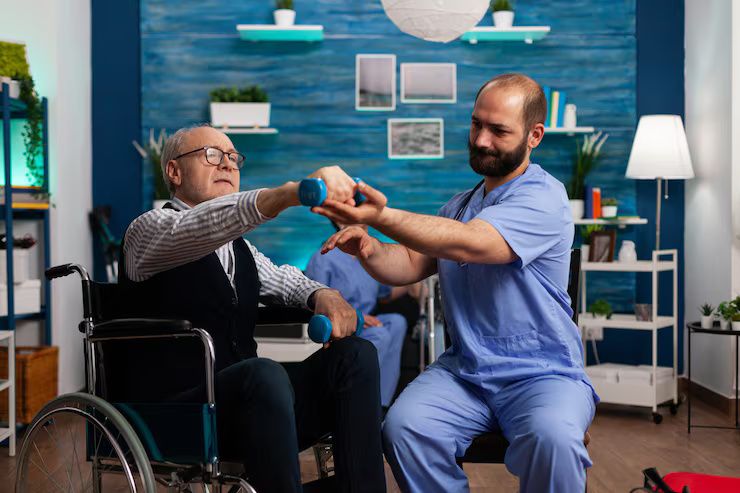
Physiotherapy includes a wide range of approaches. These may involve movement training, posture correction, strengthening exercises, and techniques that improve flexibility and coordination. Practitioners assess physical conditions and design programs tailored to individual needs, focusing on long-term health rather than short-term fixes.
Importance
Physiotherapy plays a significant role in modern healthcare because it addresses common physical challenges faced by people in everyday life. These challenges include pain, reduced mobility, injuries, and recovery after medical procedures. With increasing sedentary lifestyles and longer life expectancy, the need for physiotherapy has become more noticeable.
One key area where physiotherapy is important is injury recovery. People who experience sports injuries, workplace strain, or accidents often require structured rehabilitation to regain normal function. Physiotherapy helps guide this process safely and effectively.
Another important aspect is managing chronic conditions. Individuals living with conditions such as arthritis, back pain, or neurological disorders may use physiotherapy to maintain mobility and reduce discomfort. It supports ongoing care rather than one-time treatment.
Physiotherapy also contributes to preventive care. By improving posture, strength, and flexibility, it can help reduce the risk of future injuries. This is particularly relevant for individuals who spend long hours sitting or performing repetitive tasks.
Key groups who benefit from physiotherapy include:
- Children with developmental or movement-related conditions
- Adults recovering from injuries or surgeries
- Older adults managing age-related mobility issues
- Individuals with chronic pain or long-term physical conditions
Recent Updates
In recent years, physiotherapy has seen several developments influenced by technology and changing healthcare needs. One noticeable trend is the increased use of digital tools to support therapy sessions. Virtual consultations and guided exercise programs have become more common, especially in situations where in-person visits are limited.
Wearable devices are also being integrated into physiotherapy practices. These devices can track movement, posture, and activity levels, helping both practitioners and individuals monitor progress more accurately. This data-driven approach supports more personalized care.
Another update is the growing focus on holistic care. Physiotherapy is increasingly combined with other disciplines such as mental health support and nutrition guidance. This reflects a broader understanding that physical health is connected to overall well-being.
Rehabilitation programs are also becoming more specialized. For example, targeted physiotherapy approaches are now designed for specific conditions such as post-stroke recovery, sports rehabilitation, and workplace ergonomics.
The table below shows some common physiotherapy approaches and their general focus areas:
| Approach Type | Focus Area | Common Use Cases |
|---|---|---|
| Exercise therapy | Strength and flexibility | Injury recovery, chronic pain |
| Manual therapy | Joint and muscle movement | Back pain, stiffness |
| Electrotherapy | Nerve and muscle stimulation | Pain management |
| Neurological rehab | Coordination and balance | Stroke, neurological conditions |
| Pediatric physiotherapy | Developmental movement | Children with mobility challenges |
These developments reflect a shift toward more personalized, accessible, and integrated care.
Laws or Policies
Physiotherapy is regulated in many countries to ensure safety, quality, and professional standards. Regulations typically define who can practice physiotherapy, what qualifications are required, and how care should be delivered.
In India, physiotherapy is recognized as a healthcare profession, although regulations may vary by state. Professional organizations such as the Indian Association of Physiotherapists (IAP) play a role in setting ethical standards and promoting education. Practitioners are generally expected to complete formal training and follow guidelines related to patient care.
Healthcare policies may also influence access to physiotherapy. Public health programs sometimes include rehabilitation services for individuals recovering from injuries or surgeries. Insurance policies may cover certain aspects of physiotherapy, depending on the provider and plan.
Globally, many countries have licensing bodies that ensure physiotherapists meet required standards. These regulations help protect patients by ensuring that practitioners are trained and accountable.
Common regulatory aspects include:
- Educational requirements for physiotherapists
- Licensing or registration processes
- Ethical guidelines for patient care
- Safety standards for treatment methods
Understanding these policies helps individuals make informed decisions about their care.
Tools and Resources
Several tools and resources support physiotherapy practices and patient education. These tools are designed to improve understanding, track progress, and provide structured guidance.
Digital platforms are widely used to share exercise programs and instructional videos. These platforms allow individuals to follow routines at their own pace while maintaining consistency. Some applications also include reminders and progress tracking features.
Assessment tools are another important resource. These may include mobility tests, posture analysis systems, and strength measurement tools. They help identify physical limitations and monitor improvements over time.
Educational websites and organizations provide reliable information about physiotherapy techniques and conditions. These resources can help individuals better understand their physical health and the role of physiotherapy in managing it.
Common tools and resources include:
- Mobile applications for guided exercises
- Wearable devices for activity tracking
- Online educational platforms with physiotherapy content
- Assessment tools used by practitioners
These resources support both practitioners and individuals in maintaining effective and consistent care routines.
FAQs
What is physiotherapy and how does it work?
Physiotherapy is a healthcare approach that focuses on improving movement and physical function. It works through exercises, manual techniques, and education to help individuals recover from injuries, manage conditions, and maintain mobility.
Who can benefit from physiotherapy?
Physiotherapy can benefit people of all ages. It is commonly used by individuals recovering from injuries, managing chronic pain, or dealing with mobility challenges. It is also useful for preventive care.
Is physiotherapy useful for chronic pain?
Yes, physiotherapy is often used to manage chronic pain. It focuses on improving movement, strengthening muscles, and reducing strain on affected areas. The approach may vary depending on the condition.
How long does physiotherapy take to show results?
The time required varies depending on the individual and the condition being addressed. Some people may notice improvements within a few sessions, while others may require longer-term programs for gradual progress.
Can physiotherapy help prevent injuries?
Physiotherapy can support injury prevention by improving strength, flexibility, and posture. It also helps individuals understand how to move safely during daily activities and physical exercise.
Conclusion
Physiotherapy is an important part of healthcare that focuses on movement, recovery, and long-term physical well-being. It supports individuals across different life stages, addressing both short-term injuries and ongoing conditions. With advancements in technology and a growing emphasis on preventive care, physiotherapy continues to evolve as a practical and accessible approach. Understanding its role can help individuals make informed decisions about maintaining physical health and mobility.