Playground equipment manufacturing is the process of designing, producing, and assembling structures used in children’s play areas. These structures include swings, slides, climbing frames, seesaws, and interactive panels commonly found in parks, schools, and community spaces. The concept of playgrounds has existed for centuries, but modern manufacturing practices have evolved significantly with advancements in materials, safety standards, and design methods.
Historically, playground equipment was made from natural materials such as wood and metal, often built locally with limited standardization. Over time, the industry shifted toward more structured production methods. Today, playground equipment manufacturing involves engineering design, material science, and safety testing to ensure that equipment is durable and suitable for public use.
The manufacturing process typically includes several stages, such as conceptual design, material selection, fabrication, assembly, and quality testing. Each stage plays a role in ensuring that the final product is functional, safe, and suitable for different age groups.
Importance
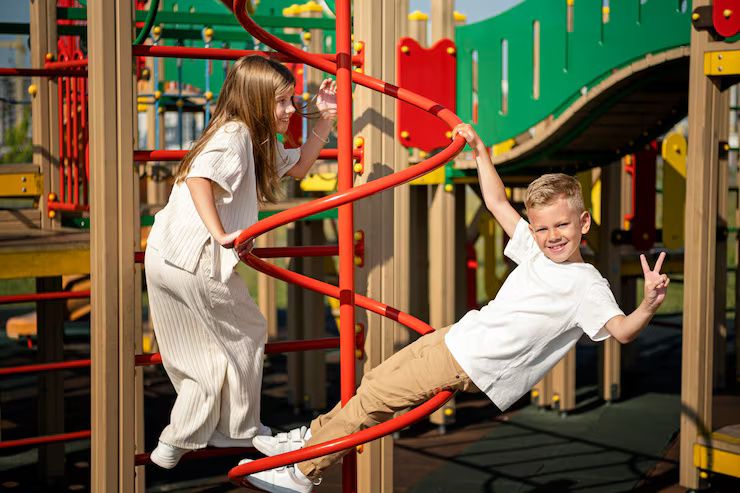
Playground equipment manufacturing plays an important role in supporting physical activity, social interaction, and child development. Playgrounds provide environments where children can improve coordination, balance, and creativity while engaging with others.
The relevance of this industry extends beyond children. Urban planners, schools, and community developers rely on well-designed playground equipment to create inclusive and accessible spaces. These environments contribute to healthier communities by encouraging outdoor activity and reducing sedentary behavior.
Several challenges are addressed through modern playground equipment manufacturing, including:
- Safety concerns: equipment must minimize risks such as falls or entrapment
- Accessibility needs: inclusive designs ensure children of all abilities can participate
- Environmental impact: materials and production processes are increasingly evaluated for sustainability
- Space limitations: compact and modular designs help fit playgrounds into urban environments
By addressing these challenges, the industry supports both social and environmental goals while adapting to changing community needs.
Recent Updates
Recent developments in playground equipment manufacturing reflect broader trends in technology, sustainability, and inclusive design.
Use of Sustainable Materials
Manufacturers are increasingly using recycled plastics, responsibly sourced wood, and powder-coated metals. These materials help reduce environmental impact while maintaining durability. In some cases, components are designed for easier recycling at the end of their lifecycle.
Integration of Smart Features
Digital and interactive elements are becoming more common. For example, some playground equipment includes sensors, sound features, or interactive panels that respond to touch or movement. These additions aim to enhance engagement without replacing traditional physical play.
Focus on Inclusive Design
Modern playground equipment manufacturing emphasizes inclusivity. Designs now often include wheelchair-accessible ramps, sensory play elements, and equipment suitable for children with varying physical and cognitive abilities.
Modular and Custom Designs
Modular systems allow playgrounds to be expanded or reconfigured over time. This approach supports flexibility in design and helps communities adapt playgrounds to changing needs.
Advanced Safety Testing
New testing methods and simulation tools are being used to assess equipment durability and safety before installation. These tools help identify potential risks and improve overall design quality.
Laws or Policies
Playground equipment manufacturing is influenced by safety standards and regulations that vary by country. These guidelines ensure that equipment is suitable for public use and reduces the risk of injury.
Safety Standards
Different regions follow specific safety standards, such as:
- ASTM International standards in the United States
- EN standards in Europe
- BIS guidelines in India
These standards cover aspects like material strength, spacing between components, surface impact requirements, and installation procedures.
Accessibility Requirements
Many countries have policies that encourage or require accessible playgrounds. These regulations focus on ensuring that children with disabilities can use playground equipment safely and comfortably.
Environmental Regulations
Manufacturers must also comply with environmental regulations related to material usage, emissions, and waste management. These rules promote sustainable production practices and reduce environmental impact.
Inspection and Maintenance Guidelines
Regulations often include recommendations for regular inspection and maintenance of playground equipment. While manufacturing focuses on production, these guidelines ensure long-term safety after installation.
Tools and Resources
Various tools and resources support playground equipment manufacturing, from design software to safety reference materials.
Design and Modeling Software
Programs such as CAD (Computer-Aided Design) software are widely used to create detailed equipment designs. These tools allow manufacturers to visualize structures and test configurations before production.
Safety Guidelines and Manuals
Organizations like ASTM and EN provide detailed manuals outlining safety requirements. These documents help manufacturers align their designs with established standards.
Material Testing Tools
Testing equipment is used to evaluate material strength, durability, and resistance to environmental factors. For example, impact testing machines simulate falls to assess surface safety.
Project Planning Templates
Templates for planning playground layouts help designers organize equipment placement, spacing, and accessibility features. These resources are often used by schools and urban planners.
Online Knowledge Platforms
Educational websites and industry publications provide updates on trends, materials, and regulations in playground equipment manufacturing. These platforms help professionals stay informed about changes in the field.
Playground Equipment Types and Materials
The manufacturing process varies depending on the type of equipment and materials used. Below is a simplified overview:
| Equipment Type | Common Materials | Key Features |
|---|---|---|
| Swings | Metal, rubber, plastic | Flexible seating, suspended motion |
| Slides | Plastic, stainless steel | Smooth surface, angled descent |
| Climbing structures | Metal, rope, wood | Multi-level, encourages physical activity |
| Seesaws | Metal, plastic | Balanced motion, group interaction |
| Interactive panels | Plastic, composites | Sensory and educational features |
Each material is selected based on durability, safety, and environmental conditions. For example, metal structures may be coated to prevent corrosion, while plastic components are often UV-resistant.
FAQs
What is playground equipment manufacturing?
Playground equipment manufacturing refers to the process of designing, producing, and assembling structures used in play areas, such as swings, slides, and climbing frames. It involves engineering, material selection, and safety testing.
What materials are commonly used in playground equipment manufacturing?
Common materials include metal, plastic, wood, and rope. Each material is chosen for its durability, safety, and suitability for outdoor use.
How does playground equipment manufacturing ensure safety?
Manufacturers follow established safety standards, conduct material testing, and design equipment to minimize risks. Features like rounded edges, proper spacing, and impact-absorbing surfaces are commonly included.
Why is inclusive design important in playground equipment manufacturing?
Inclusive design ensures that children of different abilities can use playground equipment. This approach promotes equal access and supports social interaction among diverse groups.
What trends are shaping playground equipment manufacturing today?
Current trends include the use of sustainable materials, integration of interactive features, modular designs, and a stronger focus on accessibility and safety.
Conclusion
Playground equipment manufacturing combines design, engineering, and safety considerations to create environments that support physical and social development. The industry continues to evolve with new materials, technologies, and inclusive design practices. Regulations and standards play a key role in maintaining safety and consistency across different regions. As communities grow and change, playground equipment manufacturing adapts to meet new expectations while maintaining its core purpose of enabling safe and engaging play.