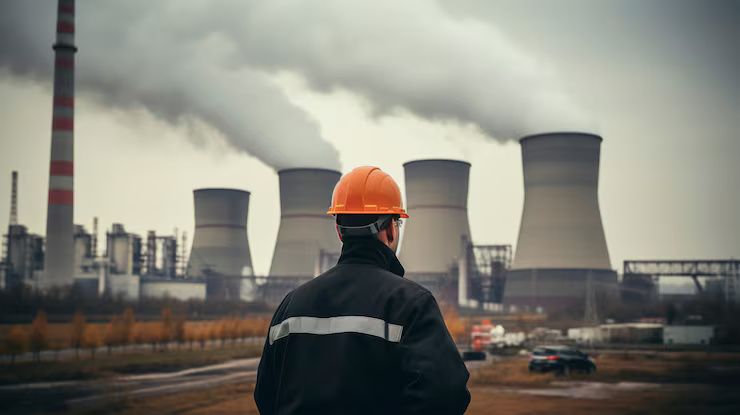
Powering industries refers to the systems, resources, and technologies used to generate and supply energy for industrial activities. Industries depend on energy to run machinery, operate facilities, and maintain production processes. This energy can come from various sources, including fossil fuels, electricity, renewable resources, and emerging technologies.
Historically, industrial power began with manual labor and simple mechanical systems, then progressed to steam engines during the Industrial Revolution. Over time, electricity became the dominant source of power, enabling faster and more efficient production. Today, industries use a mix of traditional and modern energy solutions to meet their needs.
The concept exists because industrial processes require reliable and continuous energy to function. Without consistent power, manufacturing, transportation, construction, and other sectors would struggle to operate effectively. As industries grow, so does the demand for efficient and sustainable energy systems.
Importance
Powering industries plays a critical role in economic development and daily life. Many of the products people use—such as food items, electronics, vehicles, and clothing—are created in facilities that depend on energy. Reliable power ensures that these production processes remain stable and consistent.
One key reason this topic matters is its impact on productivity. When industries have access to dependable energy, they can maintain steady output and reduce downtime. This affects supply chains and the availability of goods in the market.
Another important aspect is environmental impact. Traditional energy sources like coal and oil can contribute to pollution and climate change. As a result, industries are exploring cleaner energy options to reduce emissions and improve sustainability.
Powering industries also affects employment and infrastructure development. Regions with stable energy systems often experience more industrial growth, which can lead to improved transportation, communication, and public utilities.
Recent Updates
In recent years, several trends have shaped how industries are powered. One major development is the shift toward renewable energy sources such as solar, wind, and hydropower. Many industries are integrating these sources into their operations to reduce reliance on fossil fuels.
Another trend is the use of smart energy systems. Technologies like smart grids and energy management software allow industries to monitor and control energy usage more efficiently. This helps reduce waste and optimize performance.
Electrification is also becoming more common. Industries that previously relied on fuel-based systems are transitioning to electric-powered equipment. This change supports cleaner energy use, especially when electricity is generated from renewable sources.
Energy storage solutions, such as batteries, are gaining attention as well. These systems help store excess energy and provide backup during outages, improving reliability.
The following table summarizes common energy sources used in industries and their general characteristics:
| Energy Source | Description | Common Use in Industry | Environmental Impact |
|---|---|---|---|
| Fossil Fuels | Coal, oil, and natural gas | Heavy manufacturing, transport | Higher emissions |
| Electricity | Grid-based or generated on-site | Machinery, lighting, automation | Varies by source |
| Solar Power | Energy from sunlight | Rooftop systems, remote sites | Lower emissions |
| Wind Energy | Power from wind turbines | Large-scale operations | Lower emissions |
| Hydropower | Energy from flowing water | Continuous power supply | Lower emissions |
| Biomass | Organic materials for energy | Heating, fuel alternatives | Moderate emissions |
Laws or Policies
Powering industries is influenced by various laws and policies that regulate energy production, distribution, and consumption. Governments often establish rules to ensure safety, environmental protection, and efficient energy use.
In many countries, environmental regulations limit emissions from industrial facilities. These rules encourage industries to adopt cleaner technologies and reduce pollution. For example, emission standards may require companies to monitor and report their energy use and output.
Renewable energy policies also play a role. Governments may set targets for renewable energy adoption or provide incentives for industries that invest in sustainable energy systems. These policies aim to reduce dependence on fossil fuels and support long-term environmental goals.
Energy efficiency standards are another important area. These regulations encourage industries to use energy-saving equipment and processes. By improving efficiency, industries can reduce overall energy demand and environmental impact.
Additionally, infrastructure policies influence how energy is distributed. Investments in power grids, transmission lines, and energy storage systems help ensure that industries receive consistent and reliable energy.
Tools and Resources
Various tools and resources help industries manage and optimize their energy use. These tools support planning, monitoring, and decision-making related to powering industries.
Energy management systems are commonly used to track energy consumption. These platforms provide data on how energy is used across different processes, helping identify areas for improvement.
Simulation software allows industries to model energy usage and test different scenarios. This can help in planning new facilities or upgrading existing systems.
Online calculators are available to estimate energy consumption and efficiency levels. These tools help organizations understand their energy needs and evaluate potential changes.
Government and research organization websites provide guidelines and reports on energy use. These resources often include case studies, technical standards, and policy updates.
Common types of tools include:
- Monitoring tools that track real-time energy use
- Analysis platforms that evaluate efficiency and performance
- Planning tools that support infrastructure development
- Reporting systems that ensure compliance with regulations
These resources support informed decisions and help industries adapt to changing energy demands.
FAQs
What does powering industries mean?
Powering industries refers to providing the energy needed to operate industrial processes, including manufacturing, production, and infrastructure activities.
Why is powering industries important for economic growth?
Powering industries supports production and supply chains, which are essential for economic development. Reliable energy helps maintain consistent output and supports infrastructure expansion.
What are common energy sources used in powering industries?
Common sources include fossil fuels, electricity, solar power, wind energy, hydropower, and biomass. Each source has different uses and environmental impacts.
How are industries improving energy efficiency?
Industries are using smart systems, energy management tools, and efficient equipment to reduce energy waste and improve performance.
Are renewable sources becoming more common in powering industries?
Yes, many industries are gradually integrating renewable energy sources to reduce emissions and support sustainability goals.
Conclusion
Powering industries is a fundamental part of modern society, enabling production, infrastructure, and economic activity. It has evolved from simple mechanical systems to complex energy networks that include both traditional and renewable sources. Current trends highlight a shift toward cleaner energy and improved efficiency. Laws and tools continue to shape how industries manage their energy use. Understanding these aspects provides insight into how industries operate and adapt to changing energy needs.