Predictive Maintenance Systems: A Complete Guide to Modern Maintenance
Predictive maintenance systems are technologies used to monitor equipment and estimate when maintenance may be needed based on operating data. Unlike a fixed maintenance schedule, which may depend on hours of operation or calendar dates, predictive maintenance uses information such as vibration, temperature, pressure, electrical measurements, and operating history to identify changes in equipment condition.
The concept developed from earlier forms of machine monitoring and condition-based maintenance. As sensors, industrial networks, computing systems, and data analysis became more capable, organizations gained more ways to collect and examine equipment information continuously.
Today, predictive maintenance can combine sensors, data collection hardware, software, analytics, and maintenance records. A predictive maintenance platform may bring these elements together so that equipment information can be reviewed from a central interface.
How Predictive Maintenance Works
A typical system begins with measurements from machines. Sensors may monitor vibration in rotating equipment, temperature in motors or bearings, pressure in pumps, electrical characteristics in machinery, or other variables relevant to equipment operation.
The information is transferred to a local controller, edge device, database, or cloud-based application. Predictive maintenance software then organizes the information and may compare current measurements with historical patterns or defined operating limits.
The general process can be described as:
- Data collection: Sensors and connected equipment produce operating information.
- Data processing: Raw measurements are organized and checked for irregularities.
- Pattern analysis: Software examines changes, trends, or relationships between measurements.
- Condition assessment: The system identifies conditions that may require further examination.
- Maintenance planning: Maintenance personnel review the information and determine an appropriate response.
Predictive systems do not automatically establish the physical cause of every abnormal reading. Sensor condition, installation, data quality, operating conditions, and analytical methods all affect the interpretation.
Predictive and Traditional Maintenance
Maintenance programs can use several approaches. Corrective maintenance takes place after an equipment problem occurs, while preventive maintenance follows a planned schedule. Predictive maintenance uses condition information to determine when equipment may require attention.
| Maintenance approach | Main basis | Typical example |
|---|---|---|
| Corrective | Equipment problem | Repair after a failure |
| Preventive | Time or usage | Inspection after a defined operating period |
| Condition-based | Current equipment condition | Inspection after an abnormal measurement |
| Predictive | Condition trends and analysis | Investigation based on changing vibration patterns |
These approaches can exist together. A facility may use scheduled inspections for some equipment, condition monitoring for other assets, and predictive analysis for machines where continuous data is available.
Importance
Predictive maintenance matters because industrial equipment operates under changing conditions. Machines can experience different loads, temperatures, speeds, and environmental conditions throughout their operating life.
Manual inspection alone may not capture every change between inspection periods. Machine predictive maintenance provides another way to observe equipment behavior by collecting measurements while machinery is operating.
Supporting Equipment Reliability
Equipment predictive maintenance can help maintenance personnel examine changes in machinery condition. For example, increased vibration from a rotating machine may indicate a need to investigate bearings, alignment, balance, lubrication, or other mechanical factors.
The measurement itself does not prove that a particular component has failed. Instead, it provides information that can be considered alongside inspection findings, operating history, manufacturer documentation, and other technical evidence.
Managing Maintenance Work
A maintenance team may have many machines to monitor. Predictive analytics for maintenance can organize information by asset and highlight measurements that differ from established patterns.
This can help personnel prioritize which equipment requires closer examination. The final decision remains dependent on technical judgment and the circumstances of the equipment.
Reducing Unnecessary Inspections
Routine inspections remain important, but continuous monitoring can provide additional information between planned inspection periods. Where appropriate, data can help maintenance teams distinguish between stable operating behavior and measurements that warrant further investigation.
This approach is particularly relevant to equipment that is difficult to access, operates continuously, or contains components whose condition can be measured electronically.
Recent Updates
Predictive maintenance has continued to develop as industrial facilities adopt connected sensors, edge computing, cloud platforms, and artificial intelligence. From 2024 through 2026, the general trend has been toward combining equipment data with broader industrial information rather than treating individual sensor readings separately.
Expansion of Industrial Predictive Maintenance
Industrial predictive maintenance increasingly involves connected equipment and centralized data platforms. Sensors can transmit information from motors, pumps, compressors, conveyors, turbines, production machines, and other assets.
Edge computing can process some measurements near the equipment. This can be useful when large quantities of sensor information are generated or when rapid local analysis is needed before information is transferred to another system.
Development of AI Predictive Maintenance Software
AI predictive maintenance software can use machine-learning methods to examine historical equipment data and identify patterns associated with changing operating conditions. Some systems can compare multiple variables rather than relying on a single threshold.
However, artificial intelligence does not remove the need for technical review. A model trained using incomplete, inconsistent, or poorly labeled data may produce results that require additional investigation.
Integration With Asset Management
Predictive maintenance is increasingly connected with broader asset management systems. AI industrial asset management solutions may combine maintenance records, equipment specifications, sensor information, inspection reports, and operational data.
This approach can create a more complete record of an asset's history. It can also help organizations examine how operating conditions and maintenance activities relate to equipment behavior over time.
Increasing Use of Digital Twins
Digital twins are another area of development. A digital twin is a digital representation of a physical asset, system, or process that can incorporate information from sensors and other data sources.
In maintenance applications, a digital representation may help engineers compare expected and observed equipment behavior. The accuracy of such a model depends on the quality of its underlying information and assumptions.
Laws or Policies
Predictive maintenance systems are influenced by workplace safety requirements, equipment regulations, electrical standards, data protection rules, and industry-specific requirements. The exact requirements depend on the equipment and the sector in which it operates.
Industrial Requirements in India
In India, industrial facilities operate within a framework that includes workplace safety, environmental protection, electrical safety, and machinery-related requirements. The Occupational Safety, Health and Working Conditions Code provides a broad framework for occupational safety and working conditions.
Environmental requirements may involve the Central Pollution Control Board and State Pollution Control Boards, depending on the activity and facility. Electrical installations may also be subject to applicable rules and technical standards.
Predictive maintenance software that collects information through connected networks may also require appropriate cybersecurity controls. Access management, authentication, network segmentation, data protection, software updates, and incident response procedures can be relevant to industrial environments.
Organizations should assess the specific rules that apply to their industry and facility. Predictive maintenance data should not be treated as a substitute for mandatory inspections, safety procedures, or legally required testing.
Tools and Resources
A range of tools can support predictive maintenance programs. The appropriate combination depends on the equipment being monitored, the measurements available, and the organization's maintenance structure.
Sensors and Monitoring Devices
Common monitoring devices include vibration sensors, temperature sensors, pressure sensors, current transformers, acoustic sensors, and rotational-speed sensors. Sensor selection depends on the physical property being measured and the characteristics of the equipment.
Correct installation and calibration are important because inaccurate measurements can affect subsequent analysis. Sensor specifications should be reviewed alongside the environmental conditions in which the device will operate.
Software and Data Platforms
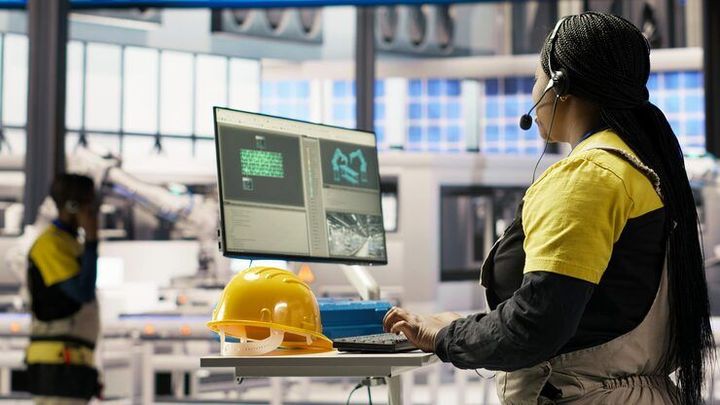
A predictive maintenance platform may include dashboards, asset records, alarm management, trend analysis, data storage, and maintenance scheduling functions. Some platforms can connect with industrial control systems, computerized maintenance management systems, or enterprise asset management applications.
Data historians can retain time-based measurements for later analysis. Visualization tools can then display trends and relationships between equipment variables.
Analytical Resources
Useful analytical resources include statistical process-control methods, vibration-analysis references, equipment manuals, maintenance records, calibration documentation, and engineering standards.
Organizations can also use structured maintenance templates to record asset identification, sensor information, inspection findings, abnormal conditions, and follow-up actions. Consistent records make historical analysis easier to interpret.
FAQs
What are predictive maintenance systems?
Predictive maintenance systems use equipment data to monitor operating conditions and identify changes that may warrant inspection or maintenance. They can combine sensors, software, historical records, and analytical methods.
How does predictive maintenance software work?
Predictive maintenance software receives equipment information from sensors or connected systems, organizes the data, and analyzes trends or unusual patterns. The results can help maintenance personnel investigate equipment conditions.
What is industrial predictive maintenance?
Industrial predictive maintenance applies condition monitoring and data analysis to machinery used in manufacturing, energy, transportation, processing, and other industrial environments. It can involve vibration, temperature, pressure, electrical, or other measurements.
What is AI predictive maintenance software?
AI predictive maintenance software uses machine-learning or related analytical techniques to examine equipment data. It may identify patterns that differ from historical operating behavior, but technical personnel must interpret the results in context.
What equipment can use predictive maintenance?
Many types of equipment can be monitored, including pumps, motors, compressors, fans, conveyors, turbines, generators, and production machinery. The practicality of monitoring depends on whether meaningful operating data can be collected.
Conclusion
Predictive maintenance systems combine equipment monitoring, data collection, analytics, and maintenance records to provide information about changing machine conditions. Modern approaches increasingly use connected sensors, edge computing, artificial intelligence, and integrated asset management platforms. These technologies can support maintenance planning, but their results depend on reliable measurements, appropriate analytical methods, and technical interpretation. Predictive maintenance is therefore one component of a broader equipment management and safety framework.