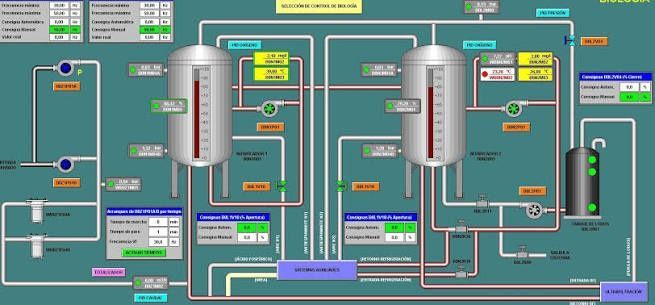
SCADA System Overview: Understanding Architecture, Operations, and Key Features
A SCADA system (Supervisory Control and Data Acquisition) is a technology used to monitor, collect, and manage data from industrial equipment and processes.
A SCADA system connects field devices, sensors, controllers, and software interfaces to help operators understand what is happening inside industrial environments.
The concept developed from the need to monitor large and complex operations without requiring people to manually check every machine or process. Over time, SCADA software evolved from basic monitoring tools into advanced industrial automation software that supports real time monitoring, data analysis, and process management.
Modern SCADA systems are commonly used in manufacturing plants, energy facilities, water treatment operations, transportation networks, and utility environments. They work alongside technologies such as PLC and SCADA systems, HMI software, industrial IoT platforms, and manufacturing execution system (MES) software.
How SCADA Architecture Works
A typical SCADA architecture includes several connected layers that collect and process industrial information.
The main components include:
- Field devices: Sensors, meters, and equipment that collect physical data from machines and processes.
- PLC controllers: Devices that receive input data and manage automated operations through PLC software.
- Communication networks: Systems that transfer information between field equipment, controllers, and software applications.
- SCADA software: Applications that display information, create alerts, and support operational monitoring.
- HMI interface: A visual interface that allows operators to view process conditions and interact with equipment.
A SCADA platform combines these elements into an integrated industrial monitoring system. The collected information can be displayed through SCADA dashboards, reports, and analytical tools.
| SCADA Component | Main Function |
|---|---|
| Sensors and devices | Collect operational data |
| PLC systems | Control machine actions and processes |
| Communication systems | Transfer information between components |
| SCADA software | Monitor and manage industrial operations |
| HMI systems | Provide visual interaction for operators |
Importance
Why SCADA Systems Matter Today
Industrial operations depend on accurate information to maintain safe and efficient processes. A SCADA control system helps organizations observe equipment conditions, identify operational changes, and manage processes from centralized locations.
SCADA automation reduces the need for continuous manual inspection by providing digital visibility into industrial activities. Industries use SCADA monitoring to understand production conditions, energy usage, equipment status, and system performance.
SCADA systems are important for many areas, including:
- Manufacturing facilities that monitor production lines and machinery.
- Energy networks that track power generation and distribution.
- Water treatment facilities that manage pumps, tanks, and filtration processes.
- Buildings that use building management systems for facility monitoring.
- Utilities that require utility SCADA systems for infrastructure control.
Challenges Addressed by SCADA Technology
Industrial environments often contain large amounts of operational data. Without proper organization, this information can be difficult to analyze. SCADA solutions help collect and organize data from different sources into a structured format.
Common challenges addressed by SCADA technology include:
- Monitoring equipment across large industrial areas.
- Managing real time operational information.
- Detecting unusual system conditions.
- Improving communication between industrial devices.
- Supporting maintenance planning through historical data.
Modern industrial analytics software and predictive maintenance software use SCADA data to help organizations study equipment patterns and operational trends.
Recent Updates
Current Developments in SCADA Technology
Recent developments in SCADA technology focus on greater connectivity, cybersecurity, and integration with digital industrial systems. Many organizations are combining traditional SCADA systems with industrial IoT solutions and IIoT software to collect more detailed operational information.
Industrial IoT platforms allow connected devices to share data with monitoring systems. This creates opportunities for advanced analysis, remote monitoring software, and improved visibility across industrial environments.
Important trends include:
- Cloud-connected SCADA platforms that support flexible data access.
- Improved SCADA security features to address cybersecurity risks.
- Integration between SCADA systems and manufacturing execution system platforms.
- Greater use of industrial cloud platforms for data storage and analysis.
- Integration with energy management systems for tracking resource usage.
The connection between operational technology and information technology has also increased attention toward OT cybersecurity and industrial cybersecurity practices. Organizations are focusing on protecting industrial communication networks while maintaining reliable operations.
Laws or Policies
Regulations Affecting Industrial Control Systems
SCADA systems are influenced by industrial safety standards, cybersecurity frameworks, and operational regulations. Requirements vary depending on the country, industry, and type of infrastructure involved.
Many regions have developed guidelines related to industrial control system protection, critical infrastructure security, and data management practices. These guidelines encourage organizations to maintain secure communication networks, control system access, and monitor cybersecurity risks.
Examples of areas covered by regulations and standards include:
- Protection of critical infrastructure such as energy and water networks.
- Secure management of industrial communication software.
- Cybersecurity practices for connected industrial devices.
- Data protection requirements for digital industrial systems.
In India, industrial organizations may consider frameworks related to cybersecurity, information technology management, and sector-specific operational requirements when implementing SCADA engineering practices.
SCADA implementation decisions are usually based on operational requirements, industry standards, and internal security policies.
Tools and Resources
Common SCADA Related Tools
Several categories of tools support SCADA engineering, system design, monitoring, and analysis. These tools help professionals understand industrial processes and manage connected systems.
Common resources include:
- SCADA engineering software for designing and configuring industrial monitoring systems.
- HMI SCADA tools for creating visual operator interfaces.
- Industrial communication software for connecting devices and controllers.
- SCADA dashboards for displaying operational information.
- Industrial analytics software for studying process data.
- Templates for system documentation, network planning, and equipment tracking.
Other related technologies include DCS systems, process control systems, telemetry systems, and industrial software platforms. These technologies may work together depending on the complexity and requirements of an industrial environment.
FAQs
What is a SCADA system used for?
A SCADA system is used for monitoring and controlling industrial processes. It collects information from field devices, displays operational data, and helps operators manage equipment conditions.
How does SCADA software work with PLC and SCADA systems?
SCADA software works with PLC systems by receiving data from controllers and displaying information through monitoring interfaces. PLC devices manage field-level operations while SCADA software provides supervisory monitoring.
What is the difference between SCADA and HMI software?
SCADA software manages overall industrial monitoring and data collection, while HMI software focuses on providing a visual interface for operators to interact with machines and processes.
Why is SCADA security important?
SCADA security helps protect industrial control systems from unauthorized access, network threats, and operational disruptions. It includes practices related to access control, monitoring, and cybersecurity management.
How are SCADA systems connected with industrial IoT platforms?
SCADA systems can connect with industrial IoT platforms to collect additional data from connected devices. This integration supports industrial analytics, remote monitoring, and digital transformation activities.
Conclusion
SCADA systems provide a structured way to monitor and manage industrial operations through connected devices, controllers, and software applications. They support industries by collecting operational information, improving visibility, and connecting technologies such as PLC systems, HMI software, and industrial IoT platforms. Modern SCADA solutions continue to develop with greater focus on connectivity, cybersecurity, and data-driven industrial management.