Seed processing machines are specialized agricultural systems designed to clean, grade, treat, and prepare seeds before planting or storage. These machines ensure that seeds meet quality standards by removing impurities, sorting by size and weight, and improving uniformity.
The need for seed processing machines emerged as agriculture shifted from traditional practices to more structured and productivity-focused systems. Farmers and agricultural institutions required reliable methods to ensure that only high-quality seeds were used for cultivation. Natural seed batches often contain dust, broken grains, weed seeds, and other foreign materials that can reduce crop performance.
Seed processing machines exist to improve seed purity, uniformity, and viability, which are essential for consistent crop growth. By applying mechanical separation, airflow control, and screening techniques, these machines transform raw harvest output into planting-ready material suitable for modern farming systems.
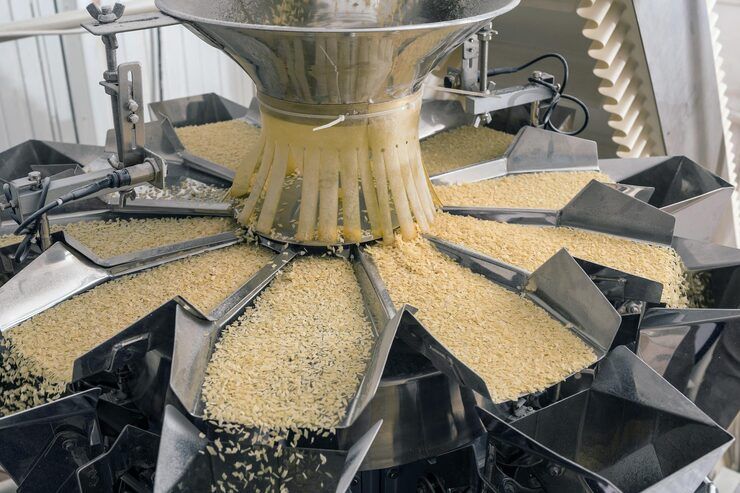
Why Seed Processing Machines Matter in Modern Agriculture
Seed processing machines play a vital role in improving agricultural efficiency and crop outcomes. As global food demand increases and farming practices become more advanced, the importance of seed quality has become more evident.
Key reasons this topic matters today:
-
Crop yield improvement: Clean and uniform seeds lead to better germination rates
-
Resource efficiency: Reduces waste caused by poor-quality seeds
-
Disease prevention: Removes contaminated or damaged seeds
-
Standardization: Ensures consistency across planting cycles
-
Support for mechanized farming: Uniform seeds improve compatibility with planting equipment
These machines affect farmers, seed producers, agricultural scientists, cooperatives, and policymakers. They help solve problems such as uneven crop growth, low productivity, contamination, and inefficient use of land and inputs.
In modern farming systems, seed processing is not just a preparation step—it is a critical stage that directly influences agricultural success.
Working Principles and Cleaning Methods Explained
Seed processing machines operate using a combination of physical separation techniques. These methods are based on differences in size, weight, shape, and aerodynamic properties.
Core working principles include:
-
Airflow separation: Light particles such as dust and husk are removed using controlled air streams
-
Screening and sieving: Seeds pass through screens that separate them by size
-
Gravity separation: Denser seeds are separated from lighter or damaged ones
-
Magnetic or optical sorting: Removes unwanted materials or defective seeds based on physical characteristics
Common cleaning methods used in seed processing:
| Method | Function | Outcome |
|---|---|---|
| Pre-cleaning | Removes large debris | Protects downstream equipment |
| Fine cleaning | Separates by size and shape | Improves uniformity |
| Gravity separation | Distinguishes density differences | Enhances seed quality |
| Seed treatment | Applies protective coating | Supports storage and germination |
These methods work together in sequence to produce high-quality seeds suitable for planting or distribution.
Recent Updates and Industry Trends (2024–2025)
Over the past year, seed processing technology has evolved with a focus on efficiency, precision, and sustainability.
| Year | Development or Trend | Agricultural Impact |
|---|---|---|
| 2024 | Improved air separation systems | Better removal of lightweight impurities |
| 2024 | Advanced seed grading precision | More uniform seed batches |
| 2025 | Integration of digital monitoring systems | Improved process control and tracking |
| 2025 | Energy-efficient processing designs | Reduced operational energy use |
Recent agricultural reports from 2024 highlighted the growing use of automated seed processing lines in medium and large-scale farming operations. In 2025, emphasis has shifted toward reducing seed loss during processing and improving traceability across the seed supply chain.
There is also increasing attention on sustainable processing practices, including reduced waste generation and improved resource utilization.
Laws, Policies, and Government Programs
Seed processing machines are influenced by agricultural standards, seed certification regulations, and government farming initiatives.
Key regulatory frameworks include:
-
Seed certification standards: Ensure processed seeds meet purity and germination requirements
-
Agricultural quality regulations: Define acceptable levels of contamination and moisture content
-
National seed acts (India and other countries): Govern seed production, labeling, and distribution
-
Food security programs: Encourage improved seed quality for higher crop output
In countries like India, government initiatives promote modern seed processing through agricultural development programs and rural infrastructure support. These policies aim to improve farm productivity and ensure consistent crop quality across regions.
Compliance with these regulations ensures that processed seeds are safe, reliable, and suitable for agricultural use.
Tools and Resources for Better Understanding
Learning about seed processing machines is supported by various technical and agricultural resources.
Helpful tools and references include:
-
Seed quality testing charts
-
Germination rate evaluation tables
-
Moisture content measurement guides
-
Agricultural processing flow diagrams
-
Seed grading standards documentation
Educational and knowledge resources:
-
Agricultural university research publications
-
Government farming portals and extension services
-
Training manuals on seed technology
-
Crop-specific processing guidelines
Practical planning aids:
-
Seed storage condition checklists
-
Processing workflow templates
-
Equipment maintenance schedules
These resources help farmers, technicians, and students understand seed processing systems and improve operational efficiency.
Frequently Asked Questions
What is the main purpose of seed processing machines?
They clean, sort, and prepare seeds to improve quality, uniformity, and suitability for planting.
Why is seed cleaning important?
Cleaning removes impurities and damaged seeds, which improves germination and crop performance.
How does gravity separation improve seed quality?
It separates seeds based on density, ensuring that heavier and healthier seeds are selected.
Are seed processing machines suitable for all crops?
Different machines are used for different crops, but the core principles remain similar.
Do processed seeds perform better in farming?
Yes. Properly processed seeds generally lead to more consistent growth and improved yields.
Conclusion
Seed processing machines are essential components of modern agriculture, ensuring that seeds meet quality standards before reaching the field. By applying advanced cleaning and sorting methods, these machines improve crop performance, reduce waste, and support efficient farming practices.
As agricultural systems continue to evolve, seed processing technology is becoming more precise, energy-efficient, and aligned with sustainability goals. Understanding how these machines work, along with the regulations and tools that support them, provides valuable insight into a critical stage of the agricultural cycle.
High-quality seeds form the foundation of successful farming, and seed processing machines play a key role in achieving that goal.