Smart waste segregation systems are modern approaches to handling waste using technology such as sensors, automation, and artificial intelligence. These systems are part of a broader smart waste management system designed to separate different types of waste such as organic, recyclable, and hazardous materials more efficiently than traditional manual methods.
Historically, waste segregation relied heavily on human effort, with households and industries sorting waste into different bins. However, as urban populations increased and waste generation grew, this manual process became difficult to manage at scale. This led to the development of automated waste segregation systems and AI waste sorting technology, which can identify and separate materials with minimal human intervention.
Today, smart bin technology and waste segregation machines are being used in cities, industries, and public spaces. These technologies aim to improve recycling rates, reduce landfill usage, and streamline industrial waste management processes. By integrating sensors, cameras, and machine learning, these systems can detect waste types and sort them in real time.
Importance
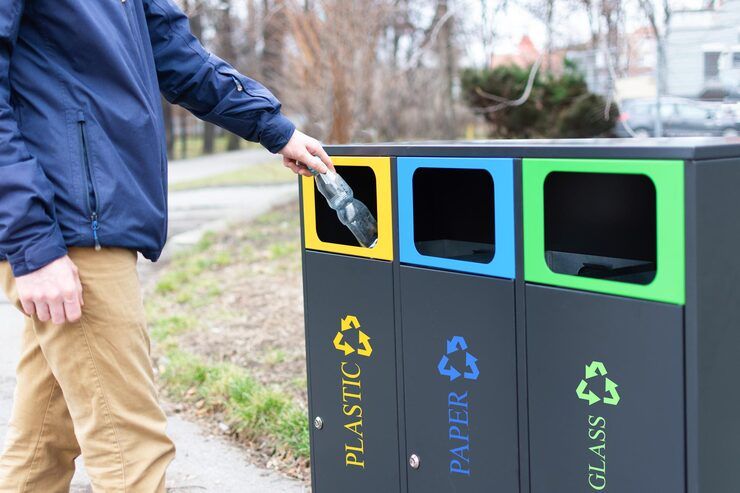
The growing volume of waste is a global concern. Urban areas generate large amounts of waste daily, and improper segregation often leads to environmental issues such as pollution and inefficient recycling. Smart garbage collection systems and automated sorting technologies address these challenges by improving how waste is handled from the point of disposal to final processing.
One key issue is mixed waste. When recyclable materials are combined with organic or hazardous waste, they often become unusable. Smart waste management systems help reduce this problem by ensuring proper separation at an early stage. This improves recycling efficiency and reduces the burden on landfills.
These systems also benefit industrial waste management. Industries produce complex waste streams that may include chemicals, metals, plastics, and organic materials. Automated waste segregation systems can handle these materials more accurately, reducing the risk of contamination and improving compliance with environmental standards.
Another important factor is public health. Improper waste handling can lead to the spread of diseases and attract pests. Smart bin technology, often equipped with sensors and contactless features, can reduce direct human contact with waste, contributing to cleaner and safer environments.
In addition, these systems support sustainability goals. By improving recycling rates and reducing waste sent to landfills, they contribute to resource conservation and lower environmental impact.
Recent Updates
From 2024 to 2026, there has been a noticeable shift toward integrating advanced technologies into waste management systems. AI waste sorting technology has become more accurate, with improved image recognition and machine learning models that can identify materials such as plastics, metals, and paper with higher precision.
One trend is the use of smart bin technology in urban areas. These bins are equipped with sensors that monitor fill levels and send data to centralized systems. This allows municipalities to optimize collection routes, reducing fuel usage and operational inefficiencies.
Another development is the integration of Internet of Things (IoT) devices into smart garbage collection systems. These systems can track waste generation patterns and provide insights into consumption behavior. This data helps city planners and organizations make informed decisions about waste management strategies.
Automated waste segregation systems are also being used in recycling facilities. These systems use robotic arms and conveyor belts combined with AI algorithms to sort waste at high speeds. This reduces reliance on manual labor and increases consistency in sorting.
In industrial settings, waste segregation machines are being designed to handle specific waste streams. For example, some systems focus on separating electronic waste, while others are tailored for food processing industries. This specialization improves efficiency in industrial waste management.
Laws or Policies
Governments around the world are introducing regulations to improve waste management practices. In India, policies such as the Solid Waste Management Rules emphasize the importance of waste segregation at the source. These rules encourage households, institutions, and industries to separate waste into categories like biodegradable, non-biodegradable, and hazardous.
Smart waste management systems align with these policies by making segregation easier and more efficient. For example, smart bin technology can guide users to dispose of waste correctly, while automated systems can ensure compliance in industrial environments.
Extended Producer Responsibility (EPR) is another policy approach that affects waste management. Under EPR, manufacturers are responsible for managing the disposal of products after their use. This has led to increased interest in AI waste sorting technology and waste segregation machines, as they help in processing large volumes of post-consumer waste.
Urban local bodies are also adopting smart garbage collection systems to meet regulatory requirements. These systems help track waste collection and ensure that it is handled according to guidelines.
Globally, many countries are setting targets for recycling and waste reduction. These policies encourage the adoption of automated waste segregation systems and other technologies that improve efficiency and transparency in waste management.
Tools and Resources
Several tools and resources support the implementation and understanding of smart waste segregation systems. These tools help individuals, organizations, and municipalities manage waste more effectively.
Digital Platforms and Monitoring Tools
- Waste tracking software: Platforms that monitor waste generation and collection patterns in real time
- IoT dashboards: Systems that display data from smart bins and sensors
- Route optimization tools: Applications that help plan efficient waste collection routes
Educational Resources
- Government websites: Provide guidelines on waste segregation and compliance requirements
- Online courses: Cover topics such as AI waste sorting technology and sustainable waste practices
- Research publications: Offer insights into advancements in automated waste segregation systems
Equipment and Technology
Below is a simple comparison of common technologies used in smart waste management systems:
| Technology Type | Function | Common Use Case |
|---|---|---|
| Smart bin technology | Detects fill levels and waste type | Urban public spaces |
| Waste segregation machine | Separates waste using mechanical processes | Recycling facilities |
| AI waste sorting technology | Identifies materials using cameras and AI | Advanced sorting plants |
| Automated waste segregation system | Combines robotics and sensors for sorting | Industrial waste management |
| Smart garbage collection system | Optimizes collection routes using data | Municipal waste management |
Community Tools
- Mobile apps: Help users identify waste categories and disposal methods
- Local recycling directories: Provide information on nearby recycling centers
- Awareness campaigns: Educate the public on proper waste segregation practices
These tools collectively support the adoption and effective use of smart waste management systems across different sectors.
FAQs
What is a smart waste management system?
A smart waste management system uses technology such as sensors, data analytics, and automation to improve how waste is collected, sorted, and processed. It often includes smart bins, tracking systems, and automated sorting equipment.
How does AI waste sorting technology work?
AI waste sorting technology uses cameras and machine learning algorithms to identify different types of waste. The system analyzes visual data and directs items to the appropriate category using mechanical or robotic components.
What is an automated waste segregation system?
An automated waste segregation system is a setup that separates waste into different categories without manual intervention. It typically uses sensors, conveyors, and sorting mechanisms to handle waste efficiently.
How is smart bin technology used in cities?
Smart bin technology is used to monitor waste levels in bins and send data to collection systems. This helps optimize collection schedules and reduce unnecessary trips, improving overall efficiency.
Why is industrial waste management important?
Industrial waste management ensures that waste generated by industries is handled safely and in compliance with regulations. Proper segregation reduces environmental risks and improves resource recovery.
Conclusion
Smart waste segregation systems represent a shift toward more efficient and technology-driven waste management practices. By integrating AI waste sorting technology, smart bin technology, and automated processes, these systems address challenges related to waste volume, segregation, and environmental impact. They are increasingly used in urban and industrial settings to improve efficiency and compliance with regulations. As technology continues to evolve, these systems are expected to play an important role in shaping sustainable waste management approaches.