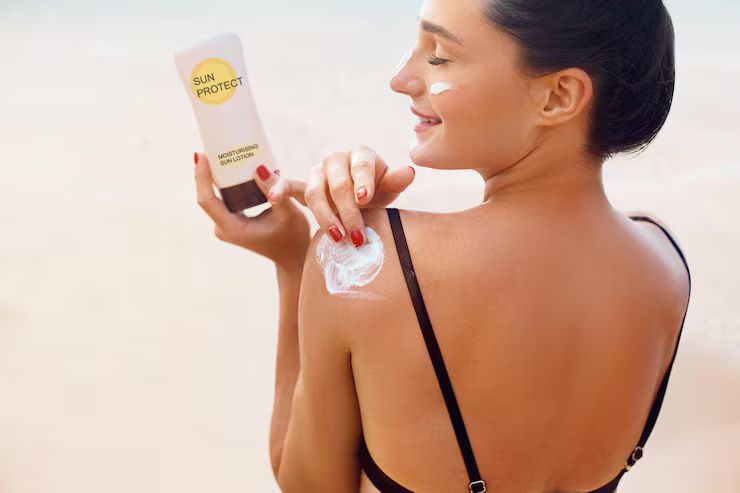
Sunscreen body lotion is a skincare product designed to combine daily moisturization with ultraviolet (UV) protection. It helps protect the skin on the arms, legs, neck, and other exposed body areas from harmful UVA and UVB rays, while also keeping the skin hydrated.
This category exists because body skin is often exposed to sunlight during commuting, outdoor work, travel, exercise, and daily routines. Unlike regular moisturizers, sunscreen body lotions include sun protection factor (SPF) ingredients that reduce the effects of sun exposure such as tanning, dryness, sunburn, and long-term skin damage.
In recent years, this topic has become more important due to rising awareness around skin barrier care, pigmentation control, anti-aging skincare, and UV damage prevention, making it a high-interest skincare and dermatology subject.
Importance
Sunscreen body lotion matters today because people are spending more time outdoors and are increasingly aware of photoaging, hyperpigmentation, and skin health risks.
Key reasons it is important include:
- UV protection: Helps shield the skin from UVA and UVB radiation
- Anti-aging benefits: Reduces early signs of sun-related aging such as wrinkles and dark spots
- Hydration support: Combines SPF with moisturizing ingredients like glycerin, ceramides, and hyaluronic acid
- Pigmentation prevention: Useful for preventing tanning and uneven skin tone
- Daily skincare convenience: Simplifies routines by combining lotion and sun protection
It affects:
- office commuters
- students
- outdoor workers
- athletes
- people with sensitive or dry skin
- those managing pigmentation concerns
Dermatology experts continue to recommend broad-spectrum SPF 30 or SPF 50 body lotion for everyday use. Recent market discussions also highlight growing concern over whether products meet their claimed SPF ratings.
Recent Updates
The sunscreen body lotion segment has seen major changes in the last year.
2025–2026 trends include:
- Invisible finish formulas: More lotions now focus on zero white cast, especially for Indian skin tones
- Hybrid skincare-SPF products: Products now include niacinamide, ceramides, and antioxidants
- Water-light textures: Gel-lotion and aqua body SPF formulas are trending
- Higher focus on real SPF testing: Independent testing and regulatory scrutiny have increased
- Personalized sun care: Formulas now target dry skin, sweat resistance, and sports use
In India, body SPF lotions with lightweight textures are growing rapidly as consumers prefer non-sticky formulas for humid weather.
Globally, 2026 trends show innovation in new UV filters and more stable broad-spectrum formulas.
Laws or Policies
In India, sunscreen body lotion is regulated under the Drugs and Cosmetics Act, 1940 and the Cosmetic Rules, 2020.
Important regulatory points include:
- approved UV filters must follow permitted concentration limits
- SPF claims must match tested performance
- labeling must mention SPF and broad-spectrum protection
- ingredients must comply with cosmetic safety standards
A major recent development is the stronger role of the Bureau of Indian Standards (BIS) in SPF testing practices, with increased emphasis on in-vivo skin testing standards from late 2025 into 2026.
This is important because it improves consumer trust and product accuracy.
Tools and Resources
Helpful tools and resources related to sunscreen body lotion include:
- SPF calculators for recommended reapplication timing
- UV index weather apps for checking daily sun exposure risk
- dermatology skin type charts
- ingredient checker tools for sunscreen filters and allergens
- BIS cosmetic standards portal
- government health awareness resources
- skin hydration and barrier assessment apps
Useful categories of tools:
- UV index trackers
- skin sensitivity assessment tools
- ingredient label analyzers
- SPF reminder apps
FAQs
What SPF is best for body lotion?
SPF 30 is generally suitable for daily use, while SPF 50 is preferred for extended outdoor exposure and intense sunlight conditions.
Can sunscreen body lotion replace regular moisturizer?
Yes, many formulas are designed to provide both hydration and sun protection, making them suitable for daytime use.
How often should it be applied?
Reapply every 2 hours during outdoor exposure, especially after sweating, swimming, or towel drying.
Does sunscreen body lotion prevent tanning?
It helps reduce tanning and UV damage, but effectiveness depends on correct application quantity and reapplication frequency.
Is it suitable for all skin types?
Yes, but dry skin may benefit from ceramide-rich lotions, while oily skin may prefer lightweight gel-lotion SPF formulas.
Conclusion
Sunscreen body lotion has become an essential part of modern skincare because it combines sun protection, moisturization, and long-term skin health benefits in one product.
With stronger regulations, better formulas, and increased public awareness in 2025–2026, this topic continues to grow in importance for daily skincare routines. Whether the goal is preventing pigmentation, reducing sun damage, or maintaining healthy skin, SPF body lotion remains a practical and scientifically supported solution.