Sugar Factory Process Explained: From Cane to Crystal
Sugar is one of the most widely used food ingredients in the world. It is found in beverages, baked products, confectionery items, processed foods, and many household recipes. The sugar factory process refers to the industrial method used to convert harvested sugarcane into refined sugar crystals suitable for consumption and manufacturing applications.
Sugar production has a long history dating back thousands of years. As demand for sweeteners increased, sugar manufacturing evolved from small-scale production into a highly organized industrial process. Modern sugar factories use advanced equipment and quality-control systems to maximize sugar recovery while maintaining food safety standards.
The primary goal of a sugar factory is to extract sucrose from sugarcane efficiently and transform it into clean, uniform crystals. Every stage of production plays an important role in preserving quality and reducing waste.
How Sugar Is Produced from Cane to Crystal
The sugar manufacturing process follows several important steps from the arrival of sugarcane at the factory to the final packaging stage.
| Production Stage | Main Purpose |
|---|---|
| Harvesting | Collect mature sugarcane |
| Cleaning | Remove dirt and impurities |
| Crushing | Extract juice from cane |
| Clarification | Purify the juice |
| Evaporation | Concentrate sugar content |
| Crystallization | Form sugar crystals |
| Centrifugation | Separate crystals from syrup |
| Drying and Packaging | Prepare sugar for storage |
Harvesting and Transportation
The process begins when mature sugarcane is harvested from agricultural fields. Farmers typically harvest cane when sucrose content reaches optimal levels. The harvested cane is transported quickly to processing facilities because sugar content can decline if the cane is stored for extended periods.
Fresh sugarcane helps factories achieve better sugar recovery rates and maintain product quality.
Cleaning and Preparation
Once the sugarcane arrives at the factory, it is cleaned to remove soil, leaves, stones, and other foreign materials. Washing systems and mechanical separators help ensure that only clean cane enters the processing line.
The cane is then cut into smaller pieces to improve extraction efficiency.
Juice Extraction
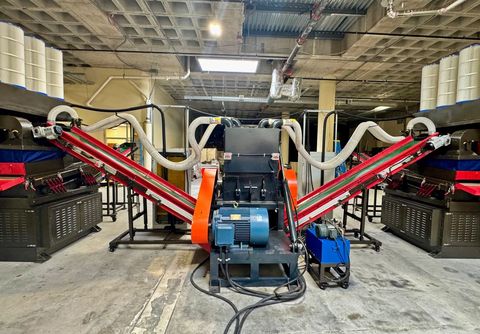
Prepared sugarcane passes through a series of rollers or mills that squeeze out the juice. Some factories also use diffusion systems to maximize juice recovery.
The extracted juice contains:
- Sucrose
- Water
- Fiber particles
- Organic matter
- Minerals
The leftover fibrous material, known as bagasse, is often used as a renewable energy source within the factory.
Clarification and Purification
Raw sugarcane juice contains impurities that must be removed before crystallization. During clarification, the juice is heated and treated to separate unwanted materials.
The clarification stage helps:
- Improve juice quality
- Remove suspended particles
- Enhance crystal formation
- Support food safety standards
After clarification, the juice becomes cleaner and more suitable for further processing.
Evaporation Process
The purified juice contains a large amount of water. To increase sugar concentration, the juice passes through multiple evaporators.
These systems remove excess moisture while preserving sucrose content. The resulting thick liquid is commonly known as syrup.
Crystallization Stage
Crystallization is one of the most important phases of sugar production. The concentrated syrup is heated under controlled conditions in vacuum pans.
As water continues to evaporate, sugar crystals begin forming around tiny seed crystals. Careful control of temperature and concentration ensures uniform crystal growth.
The simplified transformation process can be illustrated as follows:
Sugarcane
    ↓
Juice Extraction
    ↓
Clarification
    ↓
Evaporation
    ↓
Syrup
    ↓
Crystallization
    ↓
Sugar Crystals
Centrifugation and Separation
The mixture of sugar crystals and syrup enters centrifuge machines. These machines spin at high speed, separating the crystals from the remaining liquid.
The separated liquid, often called molasses, can be used in other industrial and agricultural applications.
Drying and Packaging
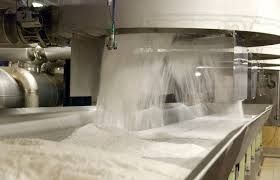
The final sugar crystals are dried to reduce moisture content. After cooling, the sugar is screened, graded, and packaged for distribution.
Quality-control checks ensure consistency in:
- Crystal size
- Purity
- Moisture level
- Color
- Food safety compliance
Why the Sugar Factory Process Matters Today
Sugar manufacturing remains a significant part of the global food supply chain. Millions of people depend on sugar-based products every day, making efficient production essential.
The sugar factory process impacts several sectors, including:
- Agriculture
- Food manufacturing
- Beverage production
- Logistics
- Renewable energy generation
One of the major challenges addressed by modern sugar factories is resource efficiency. Advanced processing technologies help reduce water consumption, improve energy utilization, and minimize production losses.
Another important benefit is waste reduction. By-products such as bagasse, molasses, and filter cake can be reused in energy production, agriculture, and industrial applications.
Economic and Agricultural Importance
Sugar production supports farming communities and contributes to rural development in many countries. Sugarcane cultivation creates demand for agricultural equipment, transportation networks, irrigation systems, and processing infrastructure.
The industry also plays a role in food security by supplying an important ingredient used across numerous food categories.
Recent Updates and Industry Trends
The sugar industry has experienced several important developments during 2025 and early 2026.
Increased Factory Automation
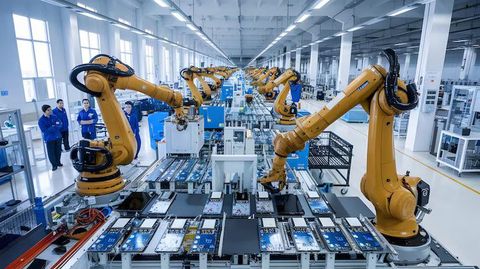
Many processing facilities have expanded the use of automated monitoring systems. Smart sensors now help operators track:
- Juice quality
- Temperature levels
- Energy consumption
- Production efficiency
These technologies support more consistent sugar production and improved operational performance.
Sustainability Initiatives
Throughout 2025, sugar manufacturers increasingly focused on sustainability objectives. Factories adopted measures such as:
- Water recycling systems
- Energy-efficient boilers
- Waste reduction programs
- Renewable energy utilization
Bagasse-based energy generation continues to gain attention as a practical way to reduce reliance on conventional fuels.
Digital Agriculture Integration
Modern sugarcane farming has become more data-driven. Producers increasingly use satellite monitoring, field analytics, and precision agriculture methods to improve crop productivity and harvesting schedules.
Focus on Environmental Compliance
Recent environmental initiatives have encouraged factories to strengthen emissions monitoring and wastewater management systems. These efforts support long-term environmental stewardship and regulatory compliance.
Laws and Policies Affecting Sugar Production
Sugar manufacturing operates within a framework of agricultural, environmental, and food safety regulations.
While regulations vary by country, several common policy areas influence sugar factory operations.
Food Safety Requirements
Factories must comply with food safety standards designed to ensure that sugar products meet quality and hygiene requirements.
These standards often address:
- Product purity
- Manufacturing practices
- Storage conditions
- Traceability systems
- Quality testing procedures
Environmental Regulations
Environmental policies influence how factories manage:
- Air emissions
- Wastewater discharge
- Solid waste disposal
- Energy consumption
Compliance helps reduce environmental impact and supports sustainable production practices.
Agricultural Policies
Government programs related to sugarcane cultivation may affect:
- Crop management
- Irrigation practices
- Productivity improvement
- Research initiatives
- Farmer support frameworks
These policies help maintain stable sugarcane production and strengthen agricultural resilience.
Workplace Safety Standards
Sugar factories must also follow occupational safety requirements to protect workers from industrial hazards associated with machinery, heat, and processing operations.
Tools and Resources Related to Sugar Manufacturing
Various tools and educational resources help professionals, students, and researchers understand sugar production processes.
Useful resources include:
- Sugar recovery calculators
- Production efficiency calculators
- Process flow templates
- Agricultural yield estimation tools
- Moisture analysis systems
- Energy consumption monitoring software
- Industrial training materials
- Quality-control checklists
- Process simulation platforms
- Manufacturing performance dashboards
These resources support operational planning, technical learning, and process optimization.
Sugar Factory Process Overview Table
| Process Step | Key Outcome |
|---|---|
| Harvesting | Collection of mature cane |
| Cleaning | Removal of contaminants |
| Crushing | Extraction of juice |
| Clarification | Purification of juice |
| Evaporation | Concentrated syrup formation |
| Crystallization | Sugar crystal development |
| Centrifugation | Crystal separation |
| Drying | Stable finished product |
| Packaging | Distribution-ready sugar |
Frequently Asked Questions
What is the main raw material used in sugar production?
Sugarcane is one of the primary raw materials used for producing sugar. The cane contains sucrose, which is extracted and processed into sugar crystals.
What happens to the leftover fiber after juice extraction?
The fibrous residue, known as bagasse, is commonly used as a renewable fuel source in sugar factories and can also support other industrial applications.
Why is clarification important in sugar processing?
Clarification removes impurities from the extracted juice. This improves product quality and supports efficient crystallization.
What is molasses in sugar manufacturing?
Molasses is the thick liquid that remains after sugar crystals are separated. It contains residual sugars and other compounds and has various industrial and agricultural uses.
How do factories ensure sugar quality?
Factories conduct multiple quality-control checks throughout production, including testing for purity, moisture content, crystal size, and food safety compliance.
Conclusion
The sugar factory process is a carefully organized industrial system that transforms harvested sugarcane into refined sugar crystals through extraction, purification, evaporation, crystallization, and packaging. Each stage contributes to product quality, efficiency, and safety.