The Journey from Steel to Silicon in Technology and Manufacturing
The story of modern progress can be understood through two materials that shaped different eras: steel and silicon. Steel became a symbol of industrial strength, infrastructure growth, and large-scale manufacturing. Silicon, on the other hand, became the foundation of digital systems, computing, and modern electronics. The shift from steel to silicon does not represent a replacement of one material with another, but rather a broad transformation in how societies build, communicate, and produce value.
This transition reflects changes in technology, economic structure, and human activity. It also shows how physical engineering gradually expanded into information-based systems.
The Age of Steel and Industrial Foundations
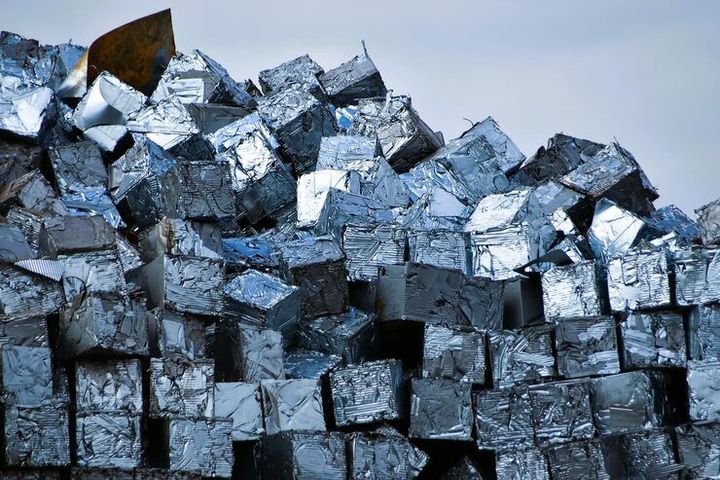
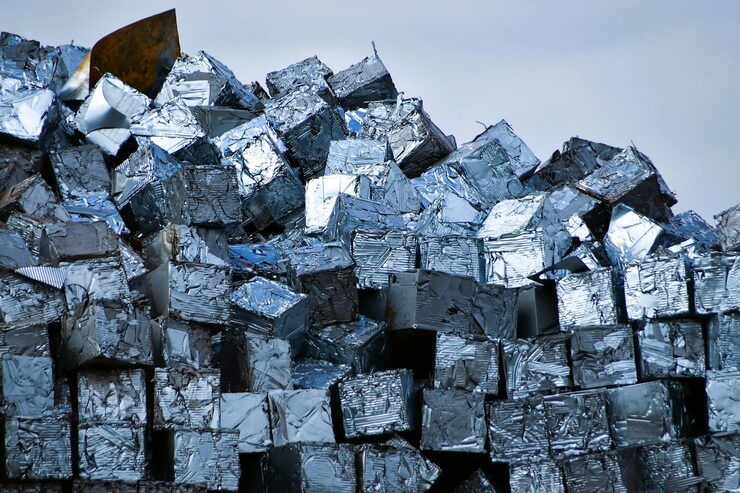
Steel played a central role during the industrial expansion of the 19th and 20th centuries. Its strength, flexibility, and durability made it suitable for constructing railways, bridges, ships, and buildings. Entire cities grew around steel-based infrastructure, supporting transportation networks and heavy manufacturing industries.
Factories during this period relied heavily on mechanical systems powered by steam and later electricity. Large-scale production depended on physical materials, and efficiency was measured by output volume and structural capability. Steel became the backbone of this system, enabling societies to expand trade, urbanization, and transportation at an unprecedented scale.
In this period, industrial development was closely linked to physical resources and mechanical innovation. Economic progress was often tied to material production capacity.
The Emergence of Silicon and Digital Foundations
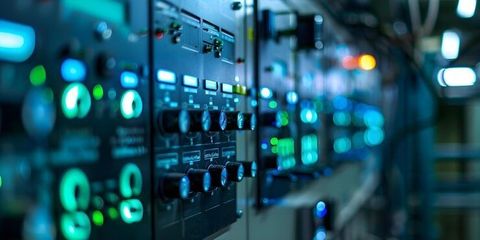
As technology advanced, attention gradually shifted from large physical structures to smaller and more complex electronic systems. Silicon, a naturally abundant element, became central to this shift due to its semiconductor properties. It enabled the development of integrated circuits, which form the core of computers, mobile devices, and modern communication systems.
Unlike steel, which supports physical infrastructure, silicon supports information processing. It allows devices to compute, store data, and transmit signals. This shift introduced a new form of infrastructure—digital networks—where value is created through data flow rather than material movement.
The rise of silicon-based technology marked the beginning of the digital era, where information became a key resource in economic and social systems.
Transition from Physical Production to Digital Systems
The movement from steel-based industries to silicon-based technologies did not occur suddenly. Instead, it developed gradually through overlapping stages. Mechanical systems were first enhanced with electronic controls. Later, digital computing systems began to guide industrial operations, logistics, and communication.
Factories that once depended entirely on manual mechanical coordination started integrating sensors, automation systems, and computer-driven controls. Steel production itself began to rely on silicon-based electronics for monitoring temperature, quality, and efficiency.
This overlap shows that steel and silicon are not isolated eras but interconnected phases of industrial development.
Evolution of Manufacturing and Automation
Manufacturing has undergone significant transformation with the introduction of silicon-based technologies. Traditional production lines focused on physical labor and mechanical precision. Over time, digital systems introduced automation, robotics, and real-time monitoring.
Microchips, built from silicon, made it possible for machines to process instructions independently. This reduced the need for constant manual adjustment and allowed production systems to operate with greater consistency. Robotics systems, guided by embedded processors, now handle tasks such as assembly, inspection, and packaging in many industries.
Even though steel remains essential for machinery and infrastructure, silicon determines how these systems function and adapt.
Changing Nature of Work and Skills
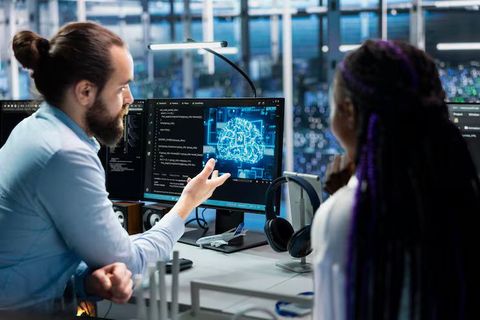
The shift from steel to silicon has also influenced the types of skills required in industrial and technological environments. Earlier industrial systems focused on mechanical operation, material handling, and structural engineering. With digital systems, attention has moved toward programming, data interpretation, system design, and electronic engineering.
Education systems and training programs have adapted to these changes by introducing digital literacy, computational thinking, and electronics-based learning. Instead of focusing only on physical machinery, modern learning includes understanding how information systems operate within machines and networks.
This transformation highlights a broader shift from physical labor-centered roles to information-centered activities, although many roles still combine both domains.
Environmental and Efficiency Considerations
Steel production and silicon-based manufacturing both have environmental impacts, but in different ways. Steel production requires high energy input and raw material processing. It is associated with mining, high-temperature processing, and large-scale industrial operations.
Silicon manufacturing also requires significant energy, particularly in semiconductor fabrication. However, silicon-based systems often contribute to efficiency improvements in other sectors. Digital monitoring systems can reduce material waste, optimize energy consumption, and improve resource management in transportation, agriculture, and manufacturing.
This creates a complex relationship where one material supports physical construction while the other improves system-wide efficiency through information processing.
Global Economic Shifts
The transition from steel to silicon has influenced global economic structures. Economies that once depended heavily on industrial manufacturing have increasingly integrated digital technologies into their production systems. Technology-driven industries now play a major role in shaping economic activity, communication networks, and trade systems.
Silicon-based industries support software development, electronics manufacturing, telecommunications, and data processing. These sectors often operate alongside traditional steel-based industries rather than replacing them. Steel continues to be essential for infrastructure, transportation, and construction, while silicon drives communication, computation, and automation.
This dual structure reflects a blended economy where physical and digital systems coexist and support each other.
Interdependence of Steel and Silicon
Although steel and silicon represent different technological eras, they are deeply interconnected in modern systems. Digital devices rely on physical structures made from metals, including steel and aluminum. At the same time, industrial machinery and infrastructure rely on silicon-based control systems to function efficiently.
For example, transportation systems combine steel frameworks with silicon-based navigation and monitoring technologies. Buildings rely on steel structures while using digital systems for energy management, security, and communication.
This interdependence shows that technological progress does not move in a single direction but evolves through integration.
Future Directions of Material and Digital Integration
Future development is likely to further combine material engineering and digital systems. Advanced manufacturing may rely on smart materials that respond to digital signals. Infrastructure systems may become more adaptive through embedded sensors and real-time data processing.
Research in materials science and electronics continues to explore ways to improve efficiency, durability, and connectivity. Steel may continue to evolve with improved alloys and sustainable production methods, while silicon-based systems may become more energy-efficient and compact.
The interaction between physical materials and digital intelligence is expected to deepen, creating systems that blend structural strength with computational capability.
Conclusion
The transition from steel to silicon represents a broad shift in how human societies build and operate systems. Steel supported the rise of industrial infrastructure, while silicon enabled the growth of digital technology and information networks. Rather than replacing one another, these materials now function together within interconnected systems.
Understanding this transition provides insight into how technological progress develops through layers of innovation, where physical and digital elements combine to shape modern life.