Tile making machines are mechanical systems designed to produce tiles used in construction, flooring, roofing, and decorative applications. These machines transform raw materials such as clay, cement, sand, or ceramic compounds into uniform shapes and sizes. The concept of tile production dates back thousands of years, when handmade tiles were crafted for buildings and artistic purposes. Over time, manual processes evolved into automated systems to meet growing demand.
Modern tile making machines vary in size and complexity. Some are small units used in local production settings, while others are large, automated lines in industrial environments. The main goal of these machines is to create consistent, durable tiles with minimal manual effort.
Tiles themselves serve both functional and aesthetic roles. They are used to protect surfaces, improve durability, and enhance visual appeal. As construction needs expanded globally, the development of tile making machines became essential to support faster and more efficient production.
Importance
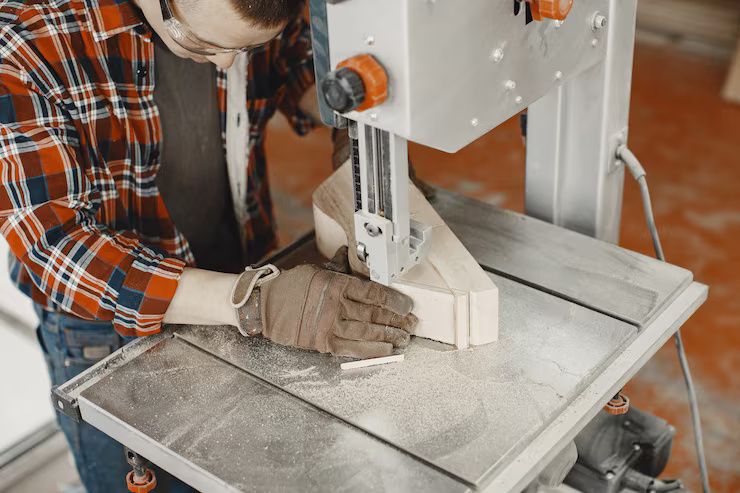
Tile making machines play a significant role in the construction and infrastructure sectors. They help meet the demand for building materials in urban and rural areas alike. With population growth and ongoing development projects, the need for reliable tile production has increased.
These machines address several challenges faced in traditional tile production. For example, manual methods often result in uneven shapes, inconsistent thickness, and slower output. By contrast, machines improve precision and reduce material waste.
The importance of tile making machines can be understood through their impact on different groups:
- Construction projects benefit from consistent materials that fit standard measurements, reducing delays and adjustments during installation.
- Small-scale producers can create tiles locally, supporting regional supply chains and reducing transportation needs.
- Workers experience improved safety and efficiency, as machines handle repetitive or physically demanding tasks.
- Environmental management is supported through better control of raw materials and reduced wastage.
In addition, tile making machines contribute to the availability of different tile types, including interlocking tiles, roof tiles, ceramic tiles, and paving blocks. This variety allows builders and designers to choose materials suited to specific applications.
Recent Updates
Between 2024 and 2026, tile making machines have seen gradual advancements in technology and design. These updates focus on improving efficiency, reducing environmental impact, and integrating digital controls.
One notable trend is the use of automation and smart controls. Many modern machines now include programmable systems that allow operators to adjust tile size, shape, and thickness with precision. This reduces errors and improves consistency across production batches.
Another development is energy efficiency. Manufacturers have introduced machines that consume less power while maintaining output levels. This is particularly important in regions where energy availability is limited or regulated.
Material innovation is also shaping the evolution of tile making machines. New machines are capable of processing alternative materials such as recycled aggregates, fly ash, and eco-friendly composites. This aligns with broader efforts to reduce construction-related environmental impact.
Digital monitoring systems are becoming more common as well. These systems track production rates, machine performance, and maintenance needs. By providing real-time data, they help operators manage operations more effectively.
The following table outlines general trends in tile making machines over recent years:
| Feature Area | Earlier Systems | Recent Developments |
|---|---|---|
| Control Mechanism | Manual or semi-automatic | Fully automated, programmable |
| Energy Use | Higher consumption | Improved efficiency systems |
| Material Options | Limited to traditional | Includes recycled materials |
| Monitoring | Basic indicators | Digital tracking and analytics |
| Output Consistency | Variable | High precision and uniformity |
These changes reflect a broader shift toward smarter and more sustainable manufacturing practices.
Laws or Policies
Tile making machines and tile production processes are influenced by various laws and policies, particularly in countries with active construction industries. These regulations focus on safety, environmental protection, and quality standards.
In many regions, including India, machinery used in manufacturing must comply with industrial safety regulations. These rules ensure that machines are designed and operated in a way that minimizes risks to workers. Safety features such as emergency stops, protective guards, and proper ventilation systems are often required.
Environmental policies also play an important role. Tile production can involve dust, emissions, and water usage. Regulations may require:
- Dust control systems to limit air pollution
- Proper disposal or recycling of waste materials
- Water management practices to reduce consumption and contamination
Quality standards are another key aspect. Tiles produced using tile making machines must meet specific criteria for strength, durability, and dimensions. These standards help ensure that tiles perform as expected in construction applications.
Government programs sometimes encourage the use of eco-friendly materials and energy-efficient machinery. While these programs vary by region, they often aim to support sustainable construction practices.
Compliance with these laws and policies helps maintain safe working conditions, protect the environment, and ensure that tiles meet required specifications.
Tools and Resources
Several tools and resources are available to support the use and understanding of tile making machines. These resources help individuals and organizations plan production, maintain equipment, and improve efficiency.
Useful tools include:
- Production calculators: These tools estimate the number of tiles that can be produced based on machine capacity and working hours.
- Material ratio guides: These provide recommended proportions of raw materials such as cement, sand, and aggregates for different types of tiles.
- Maintenance checklists: Regular maintenance is important for machine performance. Checklists help track inspections and servicing tasks.
- Design templates: Templates assist in creating consistent tile shapes and patterns, especially for decorative or interlocking tiles.
- Training manuals: Instructional materials explain how to operate tile making machines safely and effectively.
Online platforms and websites also provide access to technical information, user guides, and industry updates. These resources are often used by operators, engineers, and learners who want to understand how tile making machines function.
In addition, some educational institutions and training centers include modules on construction machinery, including tile making machines. These programs help build knowledge about machine operation, material handling, and production planning.
FAQs
What are tile making machines used for?
Tile making machines are used to produce tiles for construction and decorative purposes. They shape and compress raw materials into uniform tiles that can be used for flooring, roofing, and paving.
How do tile making machines work?
Tile making machines work by mixing raw materials, placing the mixture into molds, and applying pressure or vibration to form tiles. The tiles are then cured or dried to gain strength and durability.
What types of tiles can be made using tile making machines?
Tile making machines can produce various types of tiles, including interlocking tiles, roof tiles, ceramic tiles, and concrete paving blocks. The type depends on the machine design and materials used.
Are tile making machines suitable for small-scale production?
Yes, there are tile making machines designed for small-scale production. These machines are typically simpler and require less space, making them suitable for local or community-based manufacturing.
What factors affect the performance of tile making machines?
Several factors influence performance, including the quality of raw materials, machine design, maintenance practices, and operator skill. Proper setup and regular inspection help maintain consistent output.
Conclusion
Tile making machines have become an important part of modern construction material production. They provide a reliable way to create consistent and durable tiles for various applications. Advances in automation, energy efficiency, and material use continue to shape their development. Regulations ensure that these machines operate safely and meet environmental and quality standards. Understanding how tile making machines work helps individuals and organizations make informed decisions about their use and role in construction.