UV curing is a process that uses ultraviolet (UV) light to instantly harden or “cure” materials such as inks, coatings, and adhesives. This method relies on a chemical reaction triggered by UV light, which causes liquid substances to transform into solid forms. It has been used in industrial settings for several decades, especially in printing and manufacturing.
The origins of UV curing can be traced back to developments in photochemistry, where scientists studied how light interacts with chemical compounds. Over time, this knowledge was applied to create faster and more efficient curing methods compared to traditional heat-based drying. Instead of waiting for evaporation or heat exposure, UV curing enables almost immediate solidification.
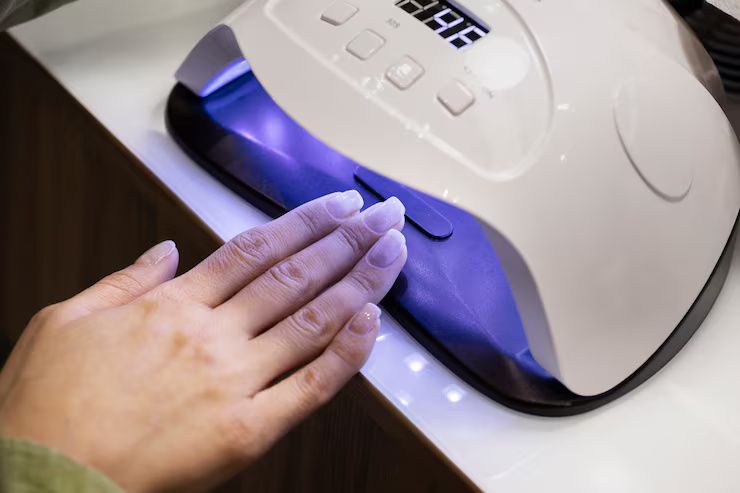
Today, UV curing is used across a wide range of industries. These include packaging, electronics, automotive parts, medical devices, and even consumer products like nail coatings. Its adaptability and speed have made it a widely recognized technique in modern production systems.
Importance
UV curing plays an important role in improving efficiency and consistency in manufacturing and printing processes. Traditional drying methods often take longer and may require high temperatures, which can affect sensitive materials. UV curing, by contrast, works quickly and at lower temperatures.
This method matters for several reasons. First, it helps reduce production time. Materials can be handled or processed immediately after curing, which supports faster workflows. Second, it can improve product durability. UV-cured coatings often provide resistance to scratches, chemicals, and environmental exposure.
For everyday consumers, the impact of UV curing may not always be visible, but it is present in many items used daily. For example, product labels, smartphone components, and furniture finishes often rely on UV-cured materials.
Some of the practical challenges addressed by UV curing include:
- Faster processing speeds compared to heat drying
- Reduced energy use due to minimal heat requirements
- Improved consistency in coating thickness and finish
- Lower emissions of volatile organic compounds (VOCs) in certain formulations
These advantages make UV curing relevant in industries that require precision and reliability.
Recent Updates
Between 2024 and 2026, UV curing technology has continued to evolve with a focus on energy efficiency and environmental considerations. One notable trend is the increasing use of LED-based UV systems. These systems consume less energy and generate less heat compared to traditional mercury lamps.
Another development is the expansion of UV curing into new materials and applications. For example, flexible electronics and 3D printing processes are increasingly using UV-curable resins. This allows for detailed designs and faster production cycles.
Manufacturers are also exploring safer and more sustainable formulations. Research has focused on reducing harmful byproducts and improving recyclability. This includes the development of bio-based UV-curable materials derived from renewable sources.
Automation and digital control systems are also becoming more common. These systems allow precise control over UV intensity, exposure time, and curing conditions, which helps improve consistency across production lines.
Laws or Policies
The use of UV curing is influenced by environmental and workplace safety regulations. Governments in many countries have established guidelines to control emissions, chemical usage, and worker exposure to UV radiation.
In regions such as the European Union, regulations like REACH (Registration, Evaluation, Authorisation and Restriction of Chemicals) affect the types of chemicals used in UV-curable formulations. These rules aim to ensure that substances are safe for both people and the environment.
In India, environmental regulations under the Central Pollution Control Board (CPCB) encourage reduced emissions in industrial processes. UV curing can align with these goals when it minimizes solvent use and reduces air pollution.
Workplace safety standards also play a role. Organizations such as the Occupational Safety and Health Administration (OSHA) in the United States provide guidelines on safe exposure to UV light. Protective measures, including shielding and personal protective equipment, are often required in industrial settings.
These policies shape how UV curing systems are designed and used, ensuring that the process remains safe and compliant with environmental standards.
Tools and Resources
Several tools and resources help individuals and organizations understand and apply UV curing effectively. These tools range from technical equipment to informational platforms.
Common tools include:
- UV curing lamps and LED systems, which provide the light source needed for curing
- Radiometers, which measure UV intensity to ensure proper curing conditions
- Material testing kits, used to evaluate hardness, adhesion, and durability
- Simulation software, which models curing performance under different conditions
In addition to physical tools, there are online resources and platforms that provide guidance:
- Industry organizations such as RadTech International, which share research and educational materials
- Technical databases that list UV-curable materials and their properties
- Government websites that explain safety and environmental regulations
The table below outlines some common UV curing systems and their characteristics:
| Type of UV System | Light Source | Key Features | Typical Uses |
|---|---|---|---|
| Mercury Vapor Lamp | Traditional UV bulb | High intensity, broad wavelength | Printing, coatings |
| UV LED System | Light-emitting diode | Energy-efficient, low heat | Electronics, medical devices |
| Excimer Lamp | Specialized UV source | Surface curing, matte finishes | Wood coatings, films |
| Pulsed UV System | High-energy bursts | Rapid curing, high peak intensity | Industrial applications |
These tools and resources support consistent and safe use of UV curing across different applications.
FAQs
What is UV curing and how does it work?
UV curing is a process where ultraviolet light triggers a chemical reaction that hardens liquid materials into solids. This happens through photoinitiators, which react to UV light and start the curing process.
Where is UV curing commonly used?
UV curing is used in industries such as printing, electronics, automotive manufacturing, and medical device production. It is also used in consumer products like coatings and adhesives.
Is UV curing safe for workers?
UV curing can be safe when proper precautions are followed. Protective equipment and shielding are often used to limit exposure to UV light. Safety guidelines from regulatory bodies help ensure safe operation.
How does UV curing compare to traditional drying methods?
UV curing is generally faster and does not rely on heat or evaporation. This can reduce processing time and energy use, while also providing consistent results.
Are UV curing materials environmentally friendly?
Some UV curing materials are designed to reduce emissions and environmental impact. However, the overall environmental effect depends on the formulation and how the process is managed.
Conclusion
UV curing is a widely used process that enables rapid and efficient hardening of materials through ultraviolet light. It has become an important part of modern manufacturing due to its speed, consistency, and adaptability. Ongoing developments continue to improve its energy efficiency and environmental compatibility. Regulations and safety standards help guide its responsible use across industries. Overall, UV curing remains a practical solution for various applications that require precise and reliable results.