Vertical Farming: A Complete Guide to Modern Indoor Agriculture
Vertical farming is changing the way food is grown in cities and regions where farmland is limited. Instead of growing crops across large horizontal fields, this method stacks plants in multiple layers inside carefully managed indoor environments. With advances in lighting, water management, and climate control, vertical farming has become an important topic in discussions about food production, sustainability, and urban development.
As populations continue to grow and cities expand, traditional farming faces challenges such as shrinking farmland, changing weather patterns, and increasing pressure on natural resources. Vertical farming presents a different approach by allowing crops to grow throughout the year in controlled conditions. While it is not intended to replace conventional agriculture entirely, it can complement existing farming methods by producing fresh vegetables and herbs close to where people live.
This guide explains how vertical farming works, the technologies involved, its advantages and limitations, common crops, environmental impact, and what the future may hold for this growing agricultural approach.
What Is Vertical Farming?
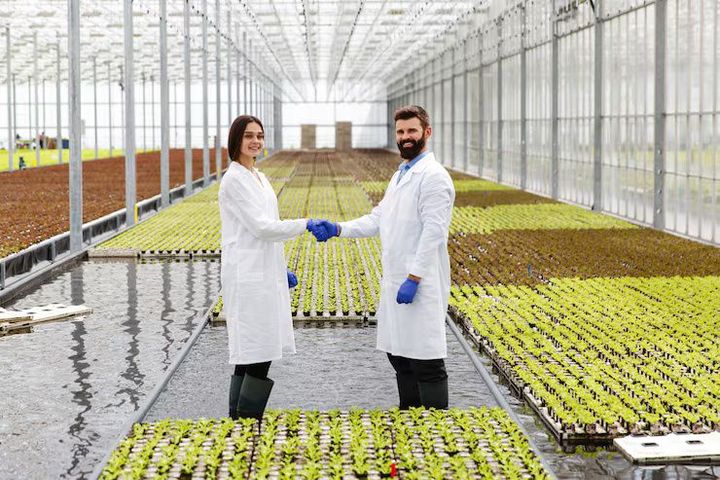
Vertical farming is a method of growing crops in vertically stacked layers rather than on open fields. These growing systems are typically located inside buildings, warehouses, greenhouses, or specially designed indoor facilities.
Instead of relying on natural sunlight and seasonal weather, vertical farms use carefully controlled environments. Factors such as temperature, humidity, lighting, nutrients, and water are monitored to create conditions that support healthy plant growth.
Many vertical farms focus on leafy vegetables, herbs, and small fruits because these crops adapt well to indoor cultivation and have relatively short growing cycles.
How Vertical Farming Works
A vertical farming system combines several technologies that work together to create a stable growing environment.
LED Lighting
Plants need light to perform photosynthesis. Indoor farms commonly use energy-efficient LED lights that provide the specific light spectrum plants require. These lights can remain on for carefully scheduled periods, allowing plants to receive consistent illumination regardless of outdoor weather.
Climate Control
Indoor systems regulate temperature, humidity, and airflow throughout the growing area. Stable environmental conditions help plants develop consistently while reducing the risk of weather-related damage.
Water Management
Most vertical farms recycle water instead of allowing it to drain away. Water moves through the growing system, is filtered, and is reused, reducing overall water consumption compared with many traditional farming methods.
Nutrient Delivery
Plants receive balanced nutrient solutions mixed into water. These nutrients contain minerals necessary for healthy growth and can be adjusted according to each crop's needs.
Monitoring Systems
Modern facilities often use sensors to monitor plant health, moisture levels, temperature, lighting intensity, and nutrient balance. Automated systems help maintain consistent growing conditions.
Common Growing Methods
Vertical farming includes several different cultivation techniques.
Hydroponics
Hydroponics grows plants without soil. Plant roots remain in water enriched with nutrients. This method is widely used because it supports efficient water use and allows precise nutrient management.
Aeroponics
Aeroponics suspends plant roots in the air while periodically spraying them with nutrient-rich mist. This technique uses very little water and provides roots with excellent oxygen exposure.
Aquaponics
Aquaponics combines fish farming with plant cultivation. Fish naturally produce waste that becomes nutrients for plants after biological filtration. Plants then help clean the water before it returns to the fish tanks, creating a balanced growing cycle.
Crops Commonly Grown in Vertical Farms
Not every crop is suitable for indoor stacked production. Vertical farms usually focus on plants that mature relatively quickly and grow efficiently in compact spaces.
Common crops include:
- Lettuce
- Spinach
- Kale
- Basil
- Mint
- Cilantro
- Parsley
- Arugula
- Microgreens
- Strawberries in selected systems
Researchers continue studying additional crops that may perform well under controlled indoor conditions.
Benefits of Vertical Farming
Vertical farming provides several advantages that make it an important part of modern agriculture.
Efficient Land Use
Since crops grow in multiple layers, significantly more plants can be produced within a relatively small footprint. This approach is especially useful in urban environments where open farmland is limited.
Lower Water Consumption
Many indoor growing systems recycle water, reducing overall usage compared with conventional field agriculture. Water conservation becomes particularly valuable in regions experiencing drought or limited freshwater supplies.
Year-Round Production
Traditional farming often depends on seasonal weather. Vertical farms can produce crops throughout the year because environmental conditions remain stable regardless of the outdoor climate.
Reduced Weather Risks
Storms, droughts, floods, and unexpected temperature changes can affect outdoor crops. Indoor growing environments reduce exposure to these natural challenges.
Shorter Transportation Distances
Vertical farms located near cities may reduce the distance fresh vegetables travel before reaching consumers. Shorter transportation routes may help maintain freshness while lowering transportation-related emissions.
Cleaner Growing Environment
Controlled environments help reduce exposure to many outdoor pests, reducing reliance on certain crop protection methods commonly used in open-field farming.
Challenges of Vertical Farming
Although vertical farming has many strengths, it also faces several practical challenges.
High Energy Requirements
Lighting, ventilation, climate management, and automated systems require electricity throughout the growing process. Improving energy efficiency remains an important focus for the industry.
Limited Crop Variety
Large cereal crops such as wheat, rice, and corn generally require much larger growing areas than current vertical farming systems can efficiently provide. Indoor farming currently focuses mainly on vegetables, herbs, and selected fruits.
Complex Technology
Operating indoor farms requires careful management of equipment, sensors, lighting systems, water circulation, and nutrient balance. Technical expertise plays an important role in maintaining stable, growing conditions.
Initial Infrastructure
Constructing indoor growing facilities involves advanced equipment, environmental controls, lighting systems, shelving, irrigation, and monitoring technology, making setup more complex than traditional farming.
Environmental Impact
Vertical farming has attracted attention because of its potential environmental benefits.
Recycling water helps reduce freshwater use. Indoor cultivation may decrease soil erosion because plants grow without conventional farmland. Controlled environments can also reduce nutrient runoff into rivers and lakes.
When vertical farms operate close to urban populations, transportation distances may become shorter, reducing fuel use associated with long-distance food distribution.
However, electricity consumption remains an important environmental consideration. Many modern facilities are exploring renewable energy sources and more efficient lighting technologies to reduce their overall environmental footprint.
Vertical Farming Around the World
Countries with limited farmland or dense urban populations have shown growing interest in vertical farming.
Indoor farms now operate in cities across North America, Europe, Asia, and the Middle East. Some are located inside warehouses, while others occupy unused commercial buildings or specially designed agricultural facilities.
Educational institutions and research organizations continue studying ways to improve crop varieties, lighting efficiency, automation, and water management.
The Future of Vertical Farming
Technology continues to shape the future of vertical farming.
Artificial intelligence, robotics, advanced sensors, and data analysis are helping farmers monitor plant growth more accurately. Automated harvesting systems and improved climate controls continue to increase production efficiency.
Researchers are also exploring plant varieties specifically adapted to indoor growing environments. Improvements in renewable energy integration may further reduce electricity demands in the coming years.
Rather than replacing traditional agriculture, vertical farming is likely to become one part of a broader food production system that includes conventional farms, greenhouses, and other innovative growing methods.
Conclusion
Vertical farming represents an innovative approach to growing food in controlled indoor environments. By stacking crops vertically and carefully managing light, water, temperature, and nutrients, this farming method addresses several challenges associated with urbanization and limited agricultural land.
Although energy use, infrastructure requirements, and crop limitations remain important considerations, ongoing technological improvements continue to expand the possibilities of indoor agriculture. As cities grow and demand for fresh produce increases, vertical farming may play an increasingly valuable role alongside traditional farming methods.
Understanding how vertical farming works helps readers appreciate the different ways agriculture is evolving to meet changing environmental conditions and future food production needs.