Water for Injection Systems are specialized purification and distribution systems designed to produce highly purified water used in medical and pharmaceutical applications. This type of water, commonly called Water for Injection (WFI), is prepared to meet strict purity standards so it can be safely used in processes such as drug formulation, equipment cleaning, and sterile manufacturing.
Unlike regular drinking water or even purified water, WFI must be free from microorganisms, endotoxins, and chemical contaminants. These systems are typically used in pharmaceutical manufacturing facilities, biotechnology labs, and healthcare environments where sterile conditions are essential.
The concept of Water for Injection Systems developed alongside modern pharmaceutical practices. As injectable medicines became more common, the need for ultra-pure water increased. Even small impurities can affect the safety and effectiveness of injectable products, which led to the creation of controlled systems designed specifically for this purpose.
Water for Injection Systems generally include multiple stages such as pretreatment, purification, storage, and distribution. Each stage is carefully monitored to maintain consistent quality. Common purification methods include distillation and membrane-based technologies like reverse osmosis combined with ultrafiltration.
Importance
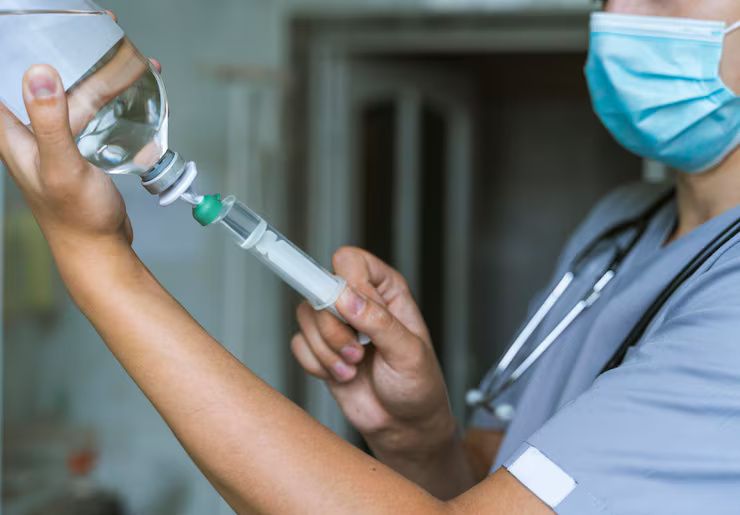
Water for Injection Systems play a crucial role in public health, even though most people never directly interact with them. These systems support the safe production of medicines that are injected into the body, where there is little tolerance for contamination.
The importance of these systems can be understood through several key aspects. First, they help ensure patient safety. Injectable medications bypass many of the body’s natural defenses, so any impurity in the water used during manufacturing can pose risks. Second, they support product consistency. Pharmaceutical products must meet strict quality standards, and consistent water quality is a major part of that process.
Water for Injection Systems also help maintain hygiene in manufacturing environments. They are used to clean equipment, containers, and surfaces that come into contact with sterile products. This reduces the likelihood of contamination during production.
Another important factor is regulatory compliance. Pharmaceutical companies are required to follow strict guidelines, and the quality of water used in manufacturing is closely monitored. Without properly functioning Water for Injection Systems, facilities may not meet these requirements.
Common challenges addressed by these systems include:
- Contamination control, where systems reduce the presence of bacteria, viruses, and endotoxins
- Consistency maintenance, ensuring the same level of purity across all production batches
- Process reliability, supporting continuous and stable manufacturing operations
- Risk reduction, minimizing the chance of product recalls or safety concerns
Recent Updates
Between 2024 and 2026, Water for Injection Systems have seen several developments driven by technological progress and evolving regulatory expectations. One noticeable trend is the increased adoption of membrane-based purification systems. While distillation has traditionally been the standard method, advancements in reverse osmosis and ultrafiltration technologies have made alternative approaches more viable in certain regions.
Another update is the growing focus on energy efficiency and sustainability. Modern Water for Injection Systems are being designed to reduce energy consumption and water waste. For example, systems now often include heat recovery mechanisms and optimized circulation loops that help conserve resources while maintaining high purity levels.
Digital monitoring has also become more prominent. Facilities are increasingly using automated sensors and data tracking systems to monitor parameters such as temperature, conductivity, and microbial levels in real time. This allows quicker identification of deviations and helps maintain consistent system performance.
There is also a trend toward modular system design. Instead of building large, fixed installations, some facilities are using modular Water for Injection Systems that can be expanded or adjusted as production needs change. This approach supports flexibility in manufacturing environments.
Finally, global harmonization of standards has progressed. Regulatory bodies in different regions are working toward aligning their requirements, making it easier for manufacturers to operate across multiple markets while maintaining consistent water quality practices.
Laws or Policies
Water for Injection Systems are governed by strict regulations to ensure safety and quality. These rules vary by region but share common principles related to purity, monitoring, and system validation.
In many countries, pharmaceutical manufacturing must follow Good Manufacturing Practices (GMP). These guidelines outline how products should be produced and controlled, including the quality of water used in the process. Water for Injection Systems must be designed, installed, and maintained in a way that consistently meets these standards.
Several regulatory organizations provide guidance on water quality requirements. These include:
- The United States Pharmacopeia (USP), which defines standards for WFI quality in the United States
- The European Pharmacopoeia (Ph. Eur.), which provides similar standards for European countries
- The World Health Organization (WHO), which offers global guidance for pharmaceutical manufacturing practices
These frameworks typically define limits for microbial content, endotoxins, and chemical impurities. They also require regular testing and documentation to demonstrate compliance.
In India, regulatory oversight is guided by agencies such as the Central Drugs Standard Control Organization (CDSCO). Manufacturers must ensure that their Water for Injection Systems meet national and international standards if they intend to distribute products both locally and globally.
Validation is another important requirement. Before a system is used, it must undergo testing to confirm that it consistently produces water that meets required specifications. Ongoing monitoring is also necessary to ensure continued compliance.
Tools and Resources
Managing Water for Injection Systems involves a combination of technical tools and informational resources. These help maintain quality, monitor performance, and ensure compliance with regulatory requirements.
Several types of tools are commonly used in connection with these systems. For example, monitoring instruments measure key parameters such as conductivity, temperature, and microbial levels. These instruments provide real-time data that helps operators detect changes in water quality.
Software platforms are also widely used. These systems collect and analyze data from various sensors, allowing for better tracking and reporting. They can also generate alerts when parameters move outside acceptable ranges.
Documentation templates and validation protocols are another important resource. These help standardize processes such as system qualification, maintenance, and routine testing. Clear documentation supports regulatory compliance and helps ensure consistency.
Below is a simple table showing common components of Water for Injection Systems and their functions:
| Component | Function |
|---|---|
| Pretreatment unit | Removes large particles, chlorine, and hardness from incoming water |
| Reverse osmosis system | Reduces dissolved salts and organic compounds |
| Distillation unit | Produces highly purified water through evaporation and condensation |
| Storage tank | Holds purified water under controlled conditions |
| Distribution loop | Circulates water to maintain quality and prevent stagnation |
| Monitoring sensors | Track parameters like temperature, conductivity, and microbial presence |
Online resources such as pharmacopeia publications and regulatory guidance documents provide detailed information about standards and practices. Training materials and technical manuals are also widely used to support personnel working with these systems.
FAQs
What are Water for Injection Systems used for?
Water for Injection Systems are used to produce highly purified water for pharmaceutical and medical applications. This water is commonly used in injectable drug production, equipment cleaning, and sterile processes.
How is Water for Injection different from purified water?
Water for Injection has stricter purity requirements than purified water. It must have very low levels of microorganisms, endotoxins, and chemical contaminants, making it suitable for sensitive medical uses.
Why are Water for Injection Systems important in healthcare?
These systems help ensure that injectable medicines are safe and free from harmful impurities. Since injections bypass the body’s natural defenses, maintaining water quality is essential for patient safety.
What methods are used in Water for Injection Systems?
Common methods include distillation and membrane-based technologies such as reverse osmosis and ultrafiltration. The choice of method depends on regulatory requirements and system design.
How are Water for Injection Systems monitored?
They are monitored using sensors and testing procedures that measure parameters like conductivity, temperature, and microbial levels. Regular monitoring helps maintain consistent water quality.
Conclusion
Water for Injection Systems are a critical part of modern pharmaceutical and healthcare infrastructure. They ensure that water used in sensitive processes meets strict purity standards. Through advanced purification methods, continuous monitoring, and regulatory compliance, these systems support safe and consistent production environments. Ongoing developments in technology and sustainability continue to shape how these systems are designed and operated.