3D Printed Jewellery Guide: Materials, Design Process, and Modern Jewelry Creation
3D printed jewellery refers to jewelry pieces created using digital design software and additive manufacturing technology. Instead of shaping metal by hand or casting it using traditional molds, designers create a digital model on a computer and produce the object layer by layer using a 3D printer.
3D printed jewellery is part of the broader field of additive manufacturing, where objects are created layer by layer from digital design files. In jewellery production, the process typically begins with 3D modeling software, allowing designers to create rings, pendants, earrings, or bracelets with high precision.
The digital design is then converted into printable layers using specialized software. Materials such as resin, wax, plastic, or metal powders are commonly used. In many cases, a wax or resin model is printed first and then used in the lost-wax casting process to produce the final metal piece in gold, silver, or platinum.
This technology has emerged as a solution to the limitations of traditional jewellery manufacturing, especially when creating intricate patterns and complex geometries.
Why 3D Printed Jewellery Matters Today
3D printing has become increasingly important in jewellery design due to its flexibility, precision, and efficiency.
Design Innovation
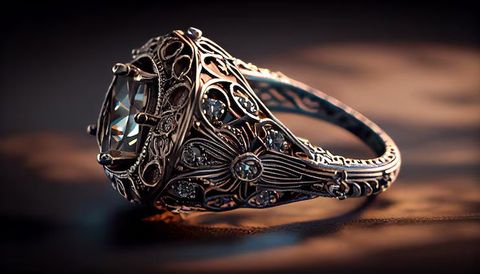
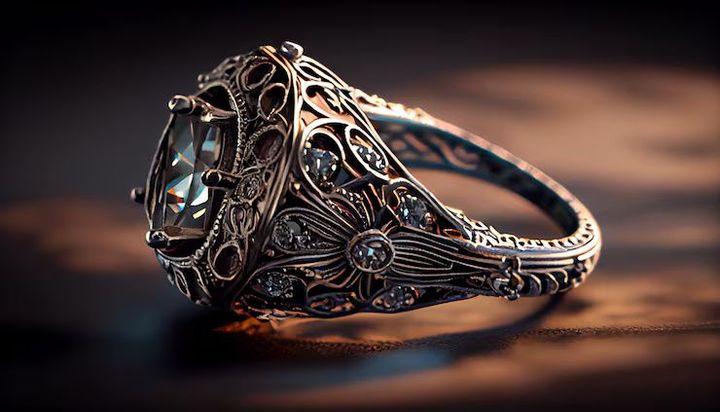
Designers can create highly detailed patterns, including:
- Lattice structures
- Organic shapes
- Lightweight frameworks
These designs are often difficult to achieve using traditional techniques.
Digital Workflow
Modern jewellery production follows a structured digital process:
- CAD (Computer-Aided Design)
- Digital modeling
- 3D printing
- Casting and finishing
This workflow allows rapid design changes and experimentation.
Precision and Accuracy
Digital tools enable exact measurements for:
- Ring sizing
- Gemstone placement
- Symmetry and proportions
Rapid Prototyping
Designers can quickly produce prototypes to test:
- Structure and durability
- Design proportions
- Wearability
This reduces errors before final production.
Educational and Creative Use
Students and designers use 3D printed jewellery to explore:
- Product design
- Materials science
- Digital fabrication
Recent Trends and Developments (2024–2025)
Improved Metal Printing
Technologies like:
- Direct Metal Laser Sintering (DMLS)
- Selective Laser Melting (SLM)
allow direct printing of metals such as gold, silver, and titanium with improved resolution.
AI-Assisted Jewellery Design
Artificial intelligence tools now:
- Generate design variations
- Optimize structures for printing
- Improve geometric stability
Sustainability Focus
Additive manufacturing reduces material waste compared to traditional cutting and machining methods.
Educational Growth
Universities and design institutes are expanding courses in:
- CAD modelling
- Additive manufacturing
- Digital jewellery design
Hybrid Craftsmanship
Modern jewellery often combines:
- Digital precision (3D printing)
- Traditional finishing (polishing, stone setting)
Laws, Standards, and Policies
Hallmarking Regulations
Precious metal jewellery must meet purity standards.
In India, the Bureau of Indian Standards (BIS) regulates hallmarking for gold jewellery.
Intellectual Property Protection
Designers can protect their work through:
- Design patents
- Copyright
- Trademarks
Product Safety Regulations
Jewellery must comply with safety standards limiting harmful substances like:
- Lead
- Cadmium
- Nickel
Additive Manufacturing Standards
Organizations such as:
- ISO (International Organization for Standardization)
- ASTM International
provide guidelines for quality and safety in 3D printing.
Tools and Resources for Learning
3D Modelling Software
- Rhinoceros 3D
- MatrixGold
- Blender
- ZBrush
Printing Preparation Software
- PreForm
- Chitubox
Learning Platforms
- YouTube
- Coursera
- LinkedIn Learning
Design File Platforms
- Thingiverse
- MyMiniFactory
Common Materials Used
| Material Type | Use Case | Characteristics |
|---|---|---|
| Wax Resin | Casting models | High detail, smooth finish |
| Standard Resin | Prototyping | Accurate shape testing |
| Nylon | Experimental use | Lightweight, flexible |
| Stainless Steel | Durable jewellery | Strong, corrosion-resistant |
| Titanium | Modern designs | Lightweight, high strength |
Typical Digital Jewellery Workflow
| Step | Description |
|---|---|
| Concept Design | Initial idea or sketch |
| CAD Modeling | Creating a 3D digital model |
| File Preparation | Converting into printable layers |
| 3D Printing | Printing wax/resin/metal model |
| Casting | Converting model into metal |
| Finishing | Polishing and gemstone setting |
Frequently Asked Questions
What is the difference between traditional and 3D printed jewellery?
Traditional jewellery relies on manual crafting, while 3D printed jewellery starts with a digital design and uses additive manufacturing.
Can precious metals be used?
Yes. Metals like gold, silver, and platinum are commonly used, often through casting processes.
Is 3D printed jewellery durable?
Yes, especially when cast in metals. Durability is comparable to traditionally made jewellery.
What skills are needed?
- 3D modelling
- CAD software
- Jewellery design principles
- Material knowledge
Can beginners learn it?
Yes. Many online courses and tutorials make it accessible for beginners.
Conclusion
3D printed jewellery represents a powerful combination of design, engineering, and digital technology. It allows the creation of intricate, precise, and innovative designs that were previously difficult to achieve.
With advancements in:
- CAD tools
- AI-assisted design
- Metal printing technologies
this field continues to grow rapidly. At the same time, traditional craftsmanship remains important for finishing and detailing.
As the jewellery industry evolves, 3D printing will continue to play a key role in shaping modern design, production efficiency, and creative possibilities.