A Beginner’s Guide to Sandalwood: Types, Characteristics, and Practical Uses
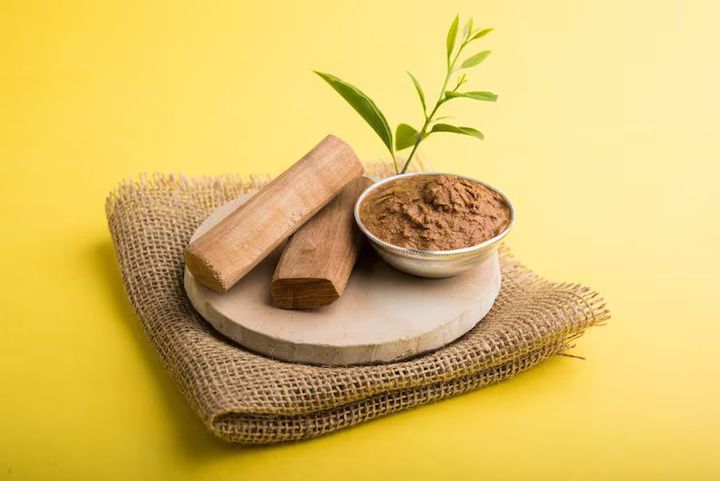
Sandalwood is a fragrant wood obtained from trees belonging primarily to the Santalum genus.
It has been valued for centuries because of its distinctive aroma, durability, and cultural significance. Sandalwood has been used in religious ceremonies, traditional crafts, perfumery, personal care products, and woodworking across various regions of the world.
The history of sandalwood stretches back thousands of years. Ancient civilizations in Asia, particularly India, recognized its aromatic qualities and incorporated it into spiritual practices, carvings, and medicinal traditions. Over time, sandalwood became known internationally and found applications in numerous industries.
Unlike many tree species harvested mainly for timber, sandalwood is particularly valued for the fragrant oils found in its heartwood. These oils contribute to its characteristic scent and have influenced its widespread use in perfumes, incense, and personal care formulations.
What Makes Sandalwood Unique?
One of the most notable characteristics of sandalwood is its long-lasting fragrance. The aroma remains present for many years, even after the wood has been processed.
Several features distinguish sandalwood from other woods:
- Naturally aromatic heartwood
- Dense and durable structure
- Smooth texture suitable for carving
- Cultural and historical significance
- Applications across multiple industries
These characteristics have contributed to sandalwood's continued relevance in modern markets.
Major Types of Sandalwood
Different sandalwood species exist around the world. While they share certain characteristics, each type has unique properties.
| Type | Region Commonly Associated | Key Characteristics |
|---|---|---|
| Indian Sandalwood (Santalum album) | South Asia | Rich fragrance and high oil content |
| Australian Sandalwood (Santalum spicatum) | Australia | Woody aroma and commercial cultivation |
| Hawaiian Sandalwood (Santalum paniculatum) | Hawaii | Distinct scent profile |
| Indonesian Sandalwood | Southeast Asia | Traditional regional use |
| Pacific Sandalwood Species | Pacific Islands | Diverse aromatic properties |
Understanding these types helps explain the variety of sandalwood products available globally.
Importance
Cultural and Historical Significance
Sandalwood holds an important place in many cultural and religious traditions. It has been used in temples, ceremonies, meditation practices, and traditional art forms for centuries.
In several regions, sandalwood is associated with spiritual activities and ceremonial applications. Its aroma is often linked to calm and reflection.
Role in Traditional Craftsmanship
Artisans have long valued sandalwood for carving and decorative work. Its fine grain and durability make it suitable for creating sculptures, ornaments, jewelry, and ceremonial objects.
Traditional craftsmanship involving sandalwood continues in some regions today, helping preserve cultural heritage and artistic practices.
Importance in Perfumery
The fragrance industry has historically used sandalwood because of its warm, woody aroma. Sandalwood notes are commonly incorporated into perfumes and scented products.
The scent can blend with floral, citrus, spice, and herbal fragrance families, making it a versatile ingredient in fragrance composition.
Relevance to Personal Care Products
Many personal care products contain sandalwood-derived ingredients. These products may include:
- Soaps
- Lotions
- Shaving products
- Fragrance formulations
- Skincare preparations
Manufacturers often use sandalwood because of its distinctive scent and traditional associations.
Environmental Considerations
Sandalwood's popularity has also highlighted the importance of sustainable resource management. Some sandalwood species require many years to mature, making responsible cultivation and conservation significant concerns.
Environmental awareness has increased interest in sustainable forestry practices related to sandalwood production.
Recent Updates
Expansion of Sustainable Cultivation
Recent years have seen increased attention toward sustainable sandalwood cultivation. Plantation-based approaches are being developed in several regions to reduce pressure on natural forests.
These initiatives aim to support long-term availability while protecting natural ecosystems.
Improved Traceability Systems
Advances in supply chain management have encouraged greater transparency regarding the origin of sandalwood products.
Digital tracking methods and certification systems are increasingly used to document sourcing practices and improve accountability.
Growing Interest in Natural Ingredients
Consumer interest in natural ingredients continues to influence industries such as personal care, fragrances, and wellness products.
This trend has contributed to ongoing demand for plant-derived aromatic materials, including sandalwood.
Research into Sandalwood Cultivation
Researchers continue studying cultivation techniques, growth conditions, and sustainable harvesting methods.
Areas of investigation include:
- Tree health management
- Soil conditions
- Climate adaptation
- Plantation productivity
- Conservation strategies
These efforts support responsible resource management.
Technological Improvements in Processing
Modern extraction and processing technologies help improve efficiency while maintaining product quality.
These advancements allow producers to utilize raw materials more effectively and reduce waste during processing activities.
Laws or Policies
Forestry Regulations
Many countries regulate sandalwood harvesting through forestry laws and licensing systems. These regulations help prevent illegal harvesting and support resource conservation.
Requirements vary according to national and regional policies.
Conservation Programs
Some sandalwood species are subject to conservation initiatives due to concerns about overharvesting and habitat loss.
Government agencies and environmental organizations may implement programs designed to protect vulnerable tree populations.
International Trade Controls
Because sandalwood is traded internationally, certain products may be subject to trade regulations that monitor exports and imports.
These controls help promote sustainable management and legal sourcing practices.
Land Use and Plantation Policies
Countries that cultivate sandalwood often establish regulations governing plantation management, harvesting procedures, and environmental protection.
Such policies aim to balance economic activity with ecological sustainability.
Environmental Compliance Requirements
Sandalwood cultivation and processing operations may be subject to environmental standards related to land management, biodiversity conservation, and resource protection.
These standards contribute to responsible industry practices.
Tools and Resources
Several tools and resources help support sandalwood cultivation, identification, research, and conservation.
Forestry Information Portals
Government forestry departments and environmental agencies often publish information regarding sandalwood cultivation, conservation, and legal requirements.
These resources provide guidance for landowners, researchers, and industry participants.
Geographic Information Systems
Geographic Information Systems (GIS) assist researchers and forestry managers in mapping sandalwood-growing regions and monitoring environmental conditions.
These technologies support planning and conservation activities.
Botanical Databases
Plant databases provide scientific information about sandalwood species, including taxonomy, geographic distribution, and ecological characteristics.
These resources are useful for educational and research purposes.
Agricultural Extension Resources
Agricultural extension organizations frequently publish materials covering tree cultivation, soil management, and sustainable forestry practices.
These publications help improve understanding of sandalwood production.
Research Journals
Academic journals provide scientific studies related to sandalwood biology, forestry, conservation, and industrial applications.
| Resource Type | Purpose |
|---|---|
| Forestry Portals | Regulatory information |
| GIS Platforms | Environmental monitoring |
| Botanical Databases | Species identification |
| Agricultural Resources | Cultivation guidance |
| Research Journals | Scientific studies |
These resources support informed decision-making and ongoing research.
FAQs
What is sandalwood?
Sandalwood is a fragrant wood obtained primarily from trees belonging to the Santalum genus. It is known for its distinctive aroma and use in fragrances, crafts, and cultural traditions.
What are the main types of sandalwood?
Common types include Indian sandalwood, Australian sandalwood, Hawaiian sandalwood, Indonesian sandalwood, and several Pacific sandalwood species.
Why is sandalwood valued in perfumes?
Sandalwood contains aromatic compounds that produce a warm, woody fragrance. Its scent can remain stable for long periods and blends well with many other fragrance ingredients.
How is sandalwood used today?
Modern applications include perfumes, personal care products, incense, decorative carvings, traditional crafts, and cultural practices.
Are there sustainability concerns related to sandalwood?
Yes. Some sandalwood species require many years to mature, making sustainable cultivation, conservation efforts, and responsible harvesting practices important considerations.
Conclusion
Sandalwood has maintained its significance across centuries due to its distinctive fragrance, cultural importance, and practical applications. Different sandalwood species contribute to a wide range of uses, from traditional craftsmanship to modern fragrance production. Growing attention to sustainability and conservation continues shaping how sandalwood is cultivated and managed. Understanding its characteristics, uses, and environmental considerations provides valuable insight into one of the world's most recognized aromatic woods.