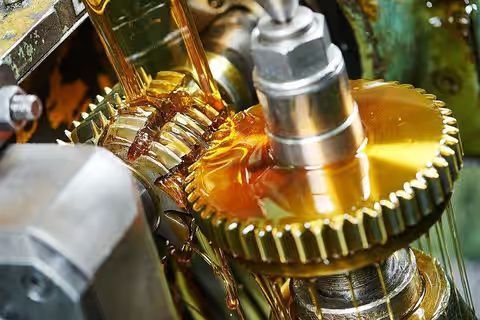
A Complete Guide to Industrial Lubricants: Features, Types, and Performance Insights
Industrial lubricants are specialized substances used to reduce friction, heat, and wear between moving parts in machinery. These lubricants play a vital role in industries such as manufacturing, transportation, energy, and construction. The concept of lubrication dates back to ancient times when natural oils and animal fats were used to ease movement in mechanical systems. Over time, advancements in chemistry and engineering have led to the development of modern industrial lubricants designed for specific applications and operating conditions.
In simple terms, industrial lubricants act as a protective layer between surfaces that move against each other. This layer minimizes direct contact, which helps extend the life of machines and ensures smoother operation. Today, these lubricants are carefully formulated to meet the demands of complex equipment, high temperatures, heavy loads, and challenging environments.
Importance
Industrial lubricants are essential for maintaining efficiency and reliability in machinery. Without proper lubrication, equipment can experience increased friction, overheating, and premature wear, leading to breakdowns and operational interruptions. These challenges can affect industries of all sizes, from small workshops to large-scale production facilities.
For everyday industries, lubricants help address several practical concerns. For example, they reduce maintenance frequency, improve energy efficiency, and support consistent performance. In sectors such as transportation, proper lubrication ensures engines and mechanical systems operate smoothly, contributing to safety and reliability.
Another important aspect is environmental impact. Modern industrial lubricants are designed to reduce emissions and energy consumption. By minimizing friction, they help machines operate more efficiently, which can lead to lower energy use over time. This makes lubrication not just a technical requirement but also a factor in sustainable industrial practices.
Recent Updates
In recent years, the industrial lubricants field has seen steady progress driven by technology and environmental awareness. One noticeable trend is the development of advanced synthetic lubricants. These products are engineered to perform under extreme conditions, such as very high temperatures or heavy loads, where traditional lubricants may not perform effectively.
Another development is the increased use of condition monitoring systems. These systems analyze lubricant performance in real time, helping industries detect issues early and maintain equipment more effectively. This approach supports predictive maintenance, reducing unexpected equipment failures.
Sustainability has also become a focus area. Many manufacturers are exploring bio-based lubricants derived from renewable sources. These alternatives aim to reduce environmental impact while maintaining performance standards.
Automation and digital tools are further influencing the way lubricants are used. Modern production systems often integrate lubrication management into automated workflows, ensuring consistent application and reducing human error.
Laws or Policies
The use and handling of industrial lubricants are influenced by environmental and safety regulations in many countries. These regulations aim to ensure that lubricants are produced, stored, and disposed of responsibly.
In India, for example, environmental guidelines are set by regulatory bodies such as the Central Pollution Control Board (CPCB). These guidelines address issues like waste oil management and disposal practices. Industries are expected to follow proper procedures to prevent contamination of soil and water.
Workplace safety regulations also play a role. Organizations must ensure that lubricants are handled safely, with proper labeling, storage, and usage instructions. Employees working with lubricants are often required to follow safety protocols to reduce exposure risks.
International standards, such as those from the International Organization for Standardization (ISO), provide guidelines for lubricant quality and performance. These standards help ensure consistency and reliability across different industries and regions.
Tools and Resources
Several tools and resources help industries manage and optimize the use of industrial lubricants. These tools support better decision-making and efficient maintenance practices.
Commonly used resources include:
- Lubricant selection charts, which help identify the appropriate lubricant based on equipment type, operating conditions, and temperature ranges
- Oil analysis kits, used to monitor lubricant condition and detect contaminants or wear particles
- Maintenance management software, which tracks lubrication schedules and equipment performance
- Technical data sheets, providing detailed information about lubricant properties and usage guidelines
- Online calculators, which estimate lubrication intervals and quantities based on machine requirements
Below is a simple table showing common lubricant types and their typical applications:
| Lubricant Type | Key Characteristics | Common Applications |
|---|---|---|
| Mineral Oils | Derived from crude oil, widely used | General machinery, engines |
| Synthetic Oils | Engineered for stability | High-temperature systems |
| Greases | Thick consistency | Bearings, joints |
| Bio-based Lubricants | Made from renewable sources | Environment-sensitive areas |
| Dry Lubricants | Solid form, no liquid base | High-pressure or dusty conditions |
These tools and resources help ensure that lubricants are used effectively and safely across different industries.
FAQs
What are industrial lubricants and why are they important?
Industrial lubricants are substances used to reduce friction and wear in machinery. They are important because they help maintain equipment performance, reduce breakdowns, and extend machine life.
What are the main types of industrial lubricants?
The main types include mineral oils, synthetic oils, greases, bio-based lubricants, and dry lubricants. Each type is designed for specific applications and operating conditions.
How do industrial lubricants improve machine performance?
Industrial lubricants create a protective layer between moving parts, reducing friction and heat. This leads to smoother operation, improved efficiency, and less wear on components.
Are synthetic industrial lubricants different from mineral oils?
Yes, synthetic industrial lubricants are engineered to perform under more extreme conditions, such as high temperatures or heavy loads, while mineral oils are more commonly used for general applications.
How often should industrial lubricants be checked or replaced?
The frequency depends on the type of machinery, operating conditions, and lubricant used. Regular monitoring through oil analysis can help determine the appropriate intervals.
Conclusion
Industrial lubricants are a fundamental part of modern machinery, helping reduce friction, improve efficiency, and extend equipment lifespan. With various types available, each serves specific purposes depending on operating conditions. Recent developments highlight a shift toward advanced formulations and environmentally conscious solutions. Understanding their role and proper use supports reliable and efficient industrial operations.