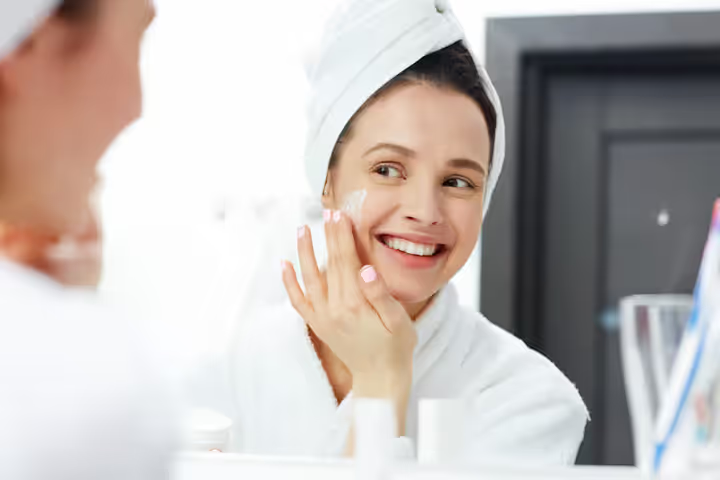
A Complete Guide to Skin Safety: Care, Protection, and Awareness
Skin safety refers to the practices, awareness, and protective measures used to maintain healthy skin and prevent damage. The skin is the body’s largest organ and serves as a protective barrier against environmental factors such as sunlight, pollution, chemicals, and microorganisms.
Skin safety exists because everyday exposure to harmful elements can lead to issues like irritation, premature aging, infections, and long-term conditions. Factors such as climate change, urban pollution, and increased use of chemical-based products have made skin care awareness more relevant than ever.
Basic skin safety includes:
- Protecting against harmful ultraviolet (UV) radiation
- Maintaining hygiene and hydration
- Avoiding exposure to toxic substances
- Using safe and tested skincare products
These practices aim to reduce risks and support overall skin health in daily life.
Why Skin Safety Matters Today
Skin safety is increasingly important due to modern lifestyle and environmental changes. People across all age groups are affected by skin-related concerns, from mild dryness to serious conditions like skin cancer.
Several factors highlight its importance:
- Increased UV exposure: Changes in climate and outdoor habits have raised exposure to harmful sunlight.
- Urban pollution: Air pollutants can weaken the skin barrier and cause irritation or sensitivity.
- Chemical exposure: Daily use of cosmetics, detergents, and personal care products may impact skin health.
- Digital lifestyle: Extended screen exposure can contribute to skin stress and aging concerns.
Below is a simplified table showing common skin risks and their possible effects:
| Risk Factor | Possible Impact on Skin |
|---|---|
| UV Radiation | Sunburn, premature aging |
| Air Pollution | Acne, irritation, dullness |
| Harsh Chemicals | Allergies, dryness |
| Poor Hygiene | Infections, breakouts |
| Dehydration | Flaky skin, reduced elasticity |
Skin safety helps address these issues by promoting awareness and preventive care. It supports not only physical well-being but also confidence and long-term health.
Recent Updates and Trends in Skin Safety
Skin safety practices have evolved significantly in the past year, influenced by research, technology, and global awareness.
- 2025 – Rise of Mineral-Based Protection: Dermatology studies highlighted increased use of mineral-based sun protection due to reduced skin irritation and environmental impact.
- 2025 – Blue Light Awareness: Research indicated that prolonged exposure to digital screens may contribute to skin stress, leading to increased awareness about blue light protection.
- 2024–2025 – Sustainable Skincare: Consumers and manufacturers have focused on environmentally friendly and skin-safe ingredients, reducing harmful chemical usage.
- 2025 – Personalized Skincare Technology: AI-driven skin analysis tools have gained popularity, helping individuals understand their skin type and risks more accurately.
- 2024 – Increased Public Health Campaigns: Governments and health organizations have promoted awareness about UV safety and skin cancer prevention.
These updates show a shift toward preventive care, transparency in ingredients, and technology-assisted awareness.
Laws, Regulations, and Public Policies
Skin safety is influenced by various regulations and public health initiatives, especially in countries like India. These rules ensure that skincare products and practices meet safety standards.
- Bureau of Indian Standards (BIS): Sets quality and safety guidelines for cosmetics and skincare products.
- Drugs and Cosmetics Act, 1940: Regulates the manufacturing and distribution of skincare and cosmetic products in India.
- Food and Drug Administration (FDA) Guidelines (Global Reference): Provide safety standards for ingredients used in skincare products.
- Labeling Requirements: Products must clearly list ingredients, manufacturing details, and usage instructions.
- Public Awareness Programs: Government-led initiatives promote sun safety and hygiene practices, especially in schools and communities.
These policies aim to protect consumers from harmful substances and ensure that skincare products are safe for regular use.
Tools and Resources for Skin Safety
Various digital tools and resources help individuals maintain better skin safety practices. These tools focus on education, monitoring, and prevention.
- UV Index Apps: Provide real-time information about sun exposure levels and suggest protective measures.
- Ingredient Checker Websites: Help users understand the safety and function of skincare ingredients.
- Hydration Trackers: Encourage adequate water intake, which supports skin health.
- Skin Analysis Tools: Use AI to assess skin type, sensitivity, and potential concerns.
- Educational Platforms: Offer reliable information about dermatology, skincare routines, and safety practices.
Here is a simple overview of commonly used tools:
| Tool Type | Purpose |
|---|---|
| UV Monitoring Apps | Track sun exposure levels |
| Ingredient Checkers | Analyze product safety |
| Hydration Apps | Maintain proper water intake |
| Skin Analysis Tools | Identify skin type and conditions |
| Health Portals | Provide educational content |
Using these resources can improve awareness and help individuals make informed decisions about skin care.
Frequently Asked Questions
What is the most important step in skin safety?
Protecting the skin from excessive sun exposure is one of the most important steps. This includes using protective clothing, seeking shade, and being aware of UV levels.
How often should skin care routines be followed?
Basic routines such as cleansing and moisturizing should be done daily, while protective measures like sun safety should be practiced whenever there is exposure to sunlight.
Can pollution affect skin health?
Yes, pollution can damage the skin barrier, leading to irritation, dryness, and premature aging. Regular cleansing and protective measures can help reduce these effects.
Are natural products always safer for skin?
Not necessarily. Natural ingredients can still cause allergic reactions. It is important to check ingredients and understand individual skin sensitivity.
How does hydration impact skin safety?
Proper hydration supports skin elasticity and helps maintain its protective barrier, reducing the risk of dryness and irritation.
Conclusion
Skin safety is an essential aspect of overall health that involves awareness, preventive care, and informed choices. With increasing environmental challenges and lifestyle changes, maintaining healthy skin requires consistent attention and understanding.
Modern trends highlight the importance of sustainable practices, technological tools, and regulatory standards in supporting skin safety. By following simple protective measures, staying informed about updates, and using reliable resources, individuals can reduce risks and maintain healthier skin over time.
A balanced approach that combines daily care, environmental awareness, and informed decision-making can help ensure long-term skin protection and well-being.
Disclaimer: The information provided in this article is for informational purposes only. We do not make any claims or guarantees regarding the accuracy, reliability, or completeness of the information presented. The content is not intended as professional advice and should not be relied upon as such. Readers are encouraged to conduct their own research and consult with appropriate professionals before making any decisions based on the information provided in this article.