Astrology is the study of how celestial bodies—such as the Sun, Moon, and planets—appear to correspond with human life and natural events. It has existed for thousands of years across different cultures, from Babylonian sky maps to Indian Vedic astrology and Western zodiac systems. The word “astrology” comes from the Greek roots astron (star) and logos (reason), meaning “study of the stars.”
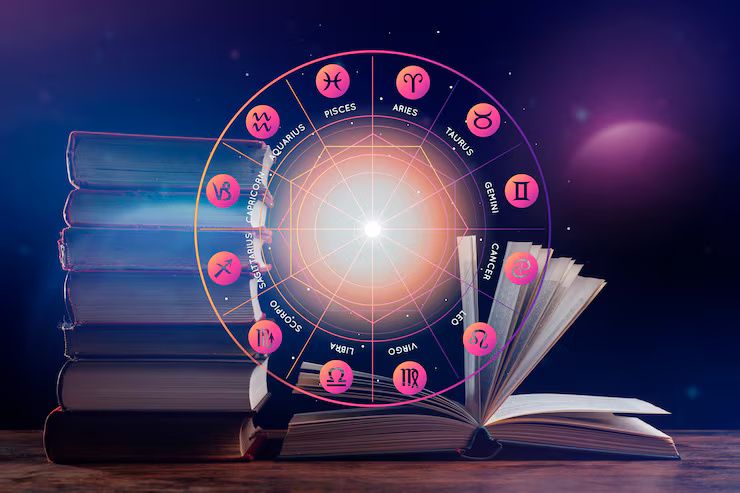
Historically, astrology was used to track seasons, plan agriculture, and align rituals with celestial movements. Over time, it evolved into a symbolic language that connects cosmic patterns with human experience. The concept of zodiac signs, for instance, divides the sky into twelve equal parts, each associated with particular qualities and personality tendencies.
Today, astrology continues to be part of cultural, psychological, and spiritual exploration. With the rise of digital platforms, astrology has become more accessible and interactive, reaching millions of users worldwide.
Importance
Understanding the basics of astrology matters today for several reasons.
-
Cultural Relevance: Astrology remains deeply rooted in global traditions and is part of daily life for many people. Horoscopes, zodiac signs, and planetary alignments appear in media, literature, and even social discussions.
-
Self-Reflection: Many individuals use astrology as a tool for introspection—helping them think about personality traits, relationships, and emotional patterns in symbolic terms.
-
Social Connection: Astrology provides a shared language and curiosity topic that connects communities worldwide, especially online.
-
Personal Planning: Some people consult astrological calendars for symbolic guidance when choosing timing for events like travel, study, or reflection.
-
Psychological Insight: Modern astrologers often describe it as a reflective practice rather than predictive science. It encourages mindfulness and self-awareness without claiming to forecast exact outcomes.
Astrology affects a wide audience: casual readers of daily horoscopes, students of traditional systems like Vedic astrology, and researchers interested in its cultural and psychological significance. It continues to influence art, wellness, and popular media, highlighting humanity’s long-standing interest in the stars.
Recent Updates
Astrology has evolved significantly over the past few years, particularly due to digital transformation and social trends. Some key developments from 2024–2025 include:
-
Astrology and Technology Integration: Mobile apps and AI-driven tools can now generate detailed birth charts within seconds. Platforms such as Co-Star and The Pattern use algorithms to interpret natal data, combining astronomy and psychology.
-
Cross-Cultural Approaches: Interest in comparative astrology—linking Western, Vedic, and Chinese systems—has increased, reflecting global curiosity about diverse traditions.
-
Ethical and Mindful Astrology: There is a noticeable movement toward ethical practice. Astrologers emphasize personal growth over deterministic predictions, encouraging critical thinking and informed consent in consultations.
-
Social Media Popularity: Short-form video platforms like TikTok and Instagram have become major sources of astrology content. Hashtags such as #AstrologyTok or #ZodiacTrends attract millions of views each month, showing its cultural momentum.
-
Educational Interest: Universities and online learning platforms have seen more enrolment in courses exploring astrology’s historical and psychological context, not as belief systems but as social phenomena.
A quick look at a few recent global astrology trends:
| Year | Trend | Impact |
|---|---|---|
| 2024 | AI-based astrology apps | Simplifies chart reading for beginners |
| 2024 | Ethical astrology discussions | Focuses on responsibility and mindfulness |
| 2025 | Cross-system studies (Vedic + Western) | Broadens learning scope |
| 2025 | Data privacy focus in apps | Encourages safe personal information handling |
| 2025 | Rise in online workshops | Expands global learning access |
These developments illustrate astrology’s shift from private study to an interconnected, tech-enabled, reflective discipline.
Laws or Policies
Astrology, while largely unregulated as a belief system, still interacts with legal frameworks in various ways.
-
Consumer Protection: In India, the Consumer Protection Act (2019) ensures that all professional practices, including astrology-related ones, must not mislead consumers. Advertisements and representations must be factual and transparent.
-
Advertising Standards: The Advertising Standards Council of India (ASCI) guidelines prohibit any false or unverified claims about guaranteed outcomes. Statements in astrology media must emphasize personal interpretation rather than certainty.
-
Data Privacy: With astrology apps collecting personal details like birth time and location, compliance with the Digital Personal Data Protection Act (2023) is required. Platforms must ensure that personal information is handled responsibly.
-
Education and Research: Indian universities may offer astrology courses under UGC recognition; however, these are classified under cultural or traditional knowledge systems, not scientific studies.
-
Broadcast and Online Regulations: The Information Technology (Intermediary Guidelines and Digital Media Ethics Code) Rules, 2021 apply to digital astrology content, ensuring responsible publishing and user data management.
These regulations help maintain transparency, protect users’ rights, and encourage responsible communication within the field of astrology.
Tools and Resources
For beginners, numerous educational and practical resources can help in understanding astrology.
Popular Astrology Apps
-
TimePassages: Provides detailed natal charts with explanations of planets and aspects.
-
AstroMatrix: Offers real-time planetary movements and compatibility readings.
-
Co-Star: Uses AI to interpret natal charts and give personalized insights.
-
The Pattern: Focuses on psychological and emotional astrology patterns.
Websites and Calculators
-
Astro.com – A trusted source for chart calculations and beginner learning materials.
-
AstroSeek.com – Free chart calculators, moon calendars, and ephemeris tools.
-
CafeAstrology.com – Offers readable guides on signs, houses, and planetary transits.
Learning and Reference Materials
-
Astrology glossaries listing planetary meanings, zodiac signs, aspects, and houses.
-
Online forums or communities for sharing interpretations and clarifying concepts.
-
Books explaining the twelve zodiac signs, the role of the ascendant, and planetary relationships.
-
Academic resources discussing astrology’s historical development and influence in culture.
These tools provide a structured and interactive way to learn without relying on predictions or promises—supporting an educational, reflective understanding of astrology.
FAQs
Q: What is the main idea behind astrology?
A: Astrology is based on the symbolic relationship between the positions of celestial bodies and human experience. It proposes that patterns in the sky can reflect, rather than cause, patterns in life.
Q: What are zodiac signs and why are there twelve?
A: The zodiac divides the sky into twelve equal parts, each named after a constellation (Aries to Pisces). These signs correspond to seasonal divisions of the year and represent distinct symbolic characteristics.
Q: What is a natal or birth chart?
A: A birth chart is a map of where the planets were positioned at the moment of one’s birth. Astrologers interpret it to explore symbolic patterns related to personality, tendencies, and timing.
Q: Is astrology scientific?
A: Astrology is not considered a science because its principles are not empirically testable. Instead, it is viewed as a symbolic, interpretive framework within cultural, psychological, and historical contexts.
Q: Can astrology be used for decision-making?
A: Astrology should be approached as a tool for reflection, not decision-making. It can support self-understanding but should not replace practical reasoning, research, or professional advice.
Conclusion
Astrology remains a living part of human culture, bridging ancient traditions and modern technology. Understanding its basics—zodiac signs, planets, houses, and aspects—helps readers appreciate its symbolic depth without confusing it with science or prediction.
In recent years, astrology has gained renewed interest through mobile apps, educational platforms, and social media, bringing old wisdom into new formats. Laws and ethical guidelines remind creators and users to remain transparent and responsible, while modern tools make learning more interactive than ever.
Ultimately, astrology continues to fascinate because it reflects our enduring desire to find meaning in the cosmos. Whether studied as history, symbolism, or personal reflection, its core value lies in encouraging curiosity, awareness, and connection between the inner and outer worlds.