A Comprehensive Guide to Understanding Industrial Spare Parts
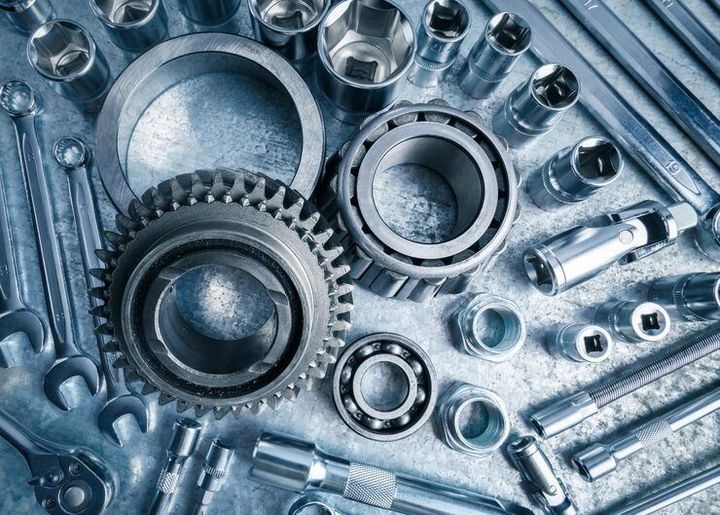
Industrial spare parts play a crucial role in keeping factories, production lines, and mechanical systems operating smoothly. These parts exist because machines require periodic replacement of components to maintain performance, ensure safety, and prevent operational interruptions. Spare parts may include mechanical items such as bearings, valves, motors, gears, and pumps, as well as electrical components like sensors, switches, and control units.
Industrial environments often involve continuous operation, heavy loads, and exposure to heat, chemicals, and vibration. Over time, these conditions lead to wear and degradation of machinery components. Spare parts are essential for replacing worn elements and maintaining system performance.
They support long-term asset management, extend equipment lifespan, and help reduce unexpected failures. Understanding spare parts management is key to ensuring reliability in industrial systems.
Importance of Industrial Spare Parts
Spare parts management is critical for industries that rely on automation and uninterrupted production. The availability and quality of parts directly affect operational efficiency.
This topic is relevant to engineers, technicians, procurement teams, and facility managers across multiple sectors.
Key Reasons for Importance
- Reduce downtime through timely replacement of components
- Improve equipment reliability with planned maintenance
- Support safety by replacing damaged or worn parts
- Extend machinery lifespan
- Enhance productivity by minimizing disruptions
Effective spare parts planning also helps manage supply chain challenges and maintain smooth operations.
Recent Updates in Spare Parts Management (2024–2025)
Recent developments show how technology and sustainability are reshaping spare parts strategies.
Digital Twins and Predictive Maintenance
Digital twin technology allows simulation of machinery performance to predict when parts need replacement. This reduces downtime and improves planning.
Growth of 3D Printing
Additive manufacturing is increasingly used to produce spare parts for older or custom equipment. This enables on-demand production.
Advanced Supply Chain Monitoring
Real-time tracking systems help monitor part availability and delivery timelines. These tools reduce delays and improve inventory planning.
Sustainability in Spare Parts
Industries are adopting energy-efficient components and recycled materials. This aligns with environmental goals.
Categories of Industrial Spare Parts
Different types of spare parts serve specific roles in machinery and systems.
| Spare Part Category | Key Characteristics | Common Applications |
|---|---|---|
| Mechanical Components | Durable, load-bearing | Motors, conveyors, pumps |
| Electrical Components | Conductive, insulated | Control panels, automation |
| Hydraulic Parts | Pressure-resistant, fluid-compatible | Lifting systems, presses |
| Pneumatic Parts | Air-pressure compatible | Robotics, packaging lines |
| Digital Control Parts | Sensor-enabled, programmable | CNC machines, automation |
| Custom-Fabricated Parts | Designed for specific equipment | Legacy systems, unique machinery |
Laws and Policies
Industrial spare parts are governed by regulations that ensure safety, performance, and environmental compliance.
Equipment Safety Standards
Parts must meet mechanical and electrical safety requirements, including durability and load capacity.
Environmental Regulations
Policies encourage energy-efficient components and recycling of industrial materials.
Certification Requirements
Spare parts often require certification from organizations such as ISO or IEC to ensure quality and compatibility.
Import and Export Regulations
Rules govern documentation, labeling, and material standards for international trade.
Industry-Specific Standards
Sectors like food processing and energy require specialized components that meet strict safety and performance criteria.
Tools and Resources
Various tools help professionals manage spare parts efficiently.
Maintenance and Monitoring Tools
- Maintenance management software
- Predictive maintenance systems
- Sensor-based monitoring platforms
Design and Engineering Tools
- 3D modeling and part replication tools
- Material selection guides
- Engineering handbooks
Data and Inventory Resources
- Industrial catalog databases
- Inventory tracking systems
- Technical specification platforms
These tools improve planning, reduce downtime, and enhance equipment reliability.
Frequently Asked Questions
What are industrial spare parts?
They are replacement components used when original parts wear out or fail. They include mechanical, electrical, and digital elements.
Why is spare parts management important?
It ensures smooth operation, reduces downtime, and improves safety and equipment lifespan.
How do companies predict spare part needs?
They use predictive maintenance tools, historical data, and digital simulations.
Are spare parts standardized?
Some follow global standards, while others are custom-designed for specific machinery.
What factors are important when selecting spare parts?
Key factors include material quality, dimensions, load capacity, and compliance with safety standards.
Conclusion
Industrial spare parts are essential for maintaining machinery performance and ensuring operational continuity. They support efficient production, safety, and long-term equipment reliability.
With advancements in predictive maintenance, digital tools, and sustainable practices, spare parts management continues to evolve. Understanding these aspects helps organizations maintain high performance and adapt to modern industrial requirements.

You May Also Like