Power substations are essential components of modern electrical infrastructure. They act as transition points where electricity is transformed, regulated, and distributed across the power grid. Substations exist to ensure that electrical power generated at power plants can travel safely over long distances and reach homes, industries, and commercial facilities at usable voltage levels.
A typical power substation includes a combination of high-voltage equipment, switching devices, transformers, protection systems, and monitoring technologies. The goal is to maintain power grid reliability by controlling voltage, managing load distribution, and improving system stability. As energy demand grows, substations help balance power across networks and support both conventional and renewable energy sources.
Substation design depends on the type of electrical network, terrain, load requirements, and reliability standards. Whether positioned in urban, industrial, or remote areas, substations play a central role in maintaining continuous electricity flow.
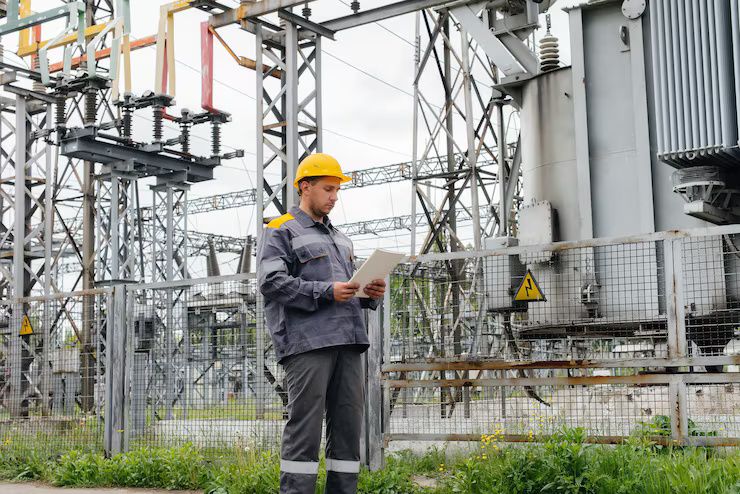
Importance: Why power substation equipment matters today
Power substations are becoming increasingly important as energy systems modernize. They support a wide range of needs, including efficient power transmission, improved safety, and integration of digital monitoring systems such as substation automation.
Several factors explain their growing relevance:
Increasing electricity demand
Population growth, expanding industries, and the rise of electric mobility require stable high-voltage transmission systems supported by dependable substation equipment.
Integration of renewable energy
Wind, solar, and hydropower facilities need substations to regulate variable outputs. High-voltage transformers, circuit breakers, and flexible AC transmission equipment help manage intermittent energy generation.
Grid modernization and digital monitoring
New digital protection relays, smart sensors, and communication-enabled devices enhance fault detection and reduce downtime.
Safety and power quality
Substations provide voltage stability, power factor improvement, and fast isolation of electrical faults. Equipment such as protective relays, switchgear, and isolators minimize outages and maintain consistent power flow.
Industrial and urban infrastructure
Reliable substations support public facilities, data centers, transportation systems, and manufacturing plants where continuous power supply is essential.
Overall, substation equipment ensures the resilience and longevity of electrical grids, making it vital for both economic development and public well-being.
Recent Updates: Key changes and trends from the past year
The substation sector has experienced notable advancements during 2024–2025. These developments reflect the global shift toward digital grid modernization, sustainable energy, and improved system security.
Growth in digital substations
Throughout 2024, several countries reported increased adoption of IEC 61850-based digital substations, which replace conventional copper wiring with fiber-optic communication. This improves efficiency, reduces maintenance needs, and enhances real-time monitoring.
Increased focus on grid resilience
Extreme weather events recorded in early 2025 led to new interest in high-voltage equipment capable of withstanding temperature variations, flooding risks, and lightning surges. Utilities are investing in improved surge arresters and smart transformer monitoring units.
Expansion of renewable-ready substations
Hybrid substations capable of handling both AC and DC transmission gained traction in late 2024. This supports the integration of solar farms, offshore wind power, and battery-energy-storage systems.
Advancements in protection and control systems
Modern protective relays and automation devices introduced in 2024 include features such as advanced fault-location algorithms, cybersecurity enhancements, and predictive diagnostics.
Increased cybersecurity measures
With the rise of digital infrastructure, new security guidelines were emphasized in 2024–2025, prompting utilities to strengthen authentication systems and data encryption within substation automation networks.
Laws or Policies: How regulations influence power substation equipment
Regulatory frameworks vary by country, but several common themes guide substation design, installation, and operation.
Electrical safety standards
Most countries follow international standards such as IEC, IEEE, or national grid codes. These regulations ensure proper insulation, grounding, and spacing of high-voltage equipment to prevent electrical hazards.
Environmental compliance
Rules related to noise levels, electromagnetic field exposure, and transformer oil handling influence equipment selection. Many regions have updated requirements for eco-friendly insulating fluids.
Energy transition policies
Government programs promoting renewable energy often require substations to support grid-integration technologies. These initiatives influence the adoption of flexible transformers, high-voltage switchgear, and digital monitoring systems.
Cybersecurity mandates
As substations digitalize, energy authorities are introducing cybersecurity frameworks, including data-protection rules for SCADA systems and power-automation networks.
Infrastructure reliability regulations
Grid-stability programs may require utilities to maintain redundant equipment, periodic inspection schedules, and real-time monitoring to reduce interruption risks.
These policies support safe operation while encouraging modernization and efficiency improvements in electrical infrastructure.
Tools and Resources: Helpful platforms, guides, and calculation tools
A range of digital tools and technical resources assist engineers, researchers, and energy planners in understanding substation equipment and grid performance.
Engineering and design tools
-
Electrical system modeling software
-
Load-flow and short-circuit analysis tools
-
Transformer selection calculators
-
High-voltage equipment specification guides
Monitoring and diagnostics tools
-
Condition-monitoring dashboards
-
Transformer temperature analysis software
-
Power quality measurement applications
-
Grid visualization platforms
Technical knowledge resources
-
International Electrotechnical Commission (IEC) standards library
-
IEEE Xplore publications on substation engineering
-
National grid-code documentation
-
Online substation design templates
-
Energy-sector safety manuals and training modules
Educational and planning tools
-
Voltage-drop calculators
-
Renewable-integration modeling tools
-
Power-system training simulations
-
Substation equipment checklists for research or academic use
These resources help users understand performance requirements, conduct system studies, and evaluate various equipment configurations.
Tables and Graphs
Below is a simple text-based table summarizing common substation equipment and their primary functions.
Table: Key Substation Components and Functions
| Equipment | Basic Function |
|---|---|
| Power Transformer | Adjusts voltage between high and low levels |
| Circuit Breaker | Interrupts abnormal currents and isolates faults |
| Busbar | Distributes power within the substation |
| Isolator | Provides safe disconnection for maintenance |
| Surge Arrester | Protects equipment from lightning and voltage spikes |
| Capacitor Bank | Improves power factor and voltage stability |
| Protection Relay | Detects faults and triggers circuit breakers |
| Control Panel | Monitors system parameters and communication signals |
FAQs
What is the main purpose of a power substation?
A power substation transforms and distributes electricity from high-voltage transmission lines to lower-voltage distribution systems. It also regulates voltage, protects the network from faults, and ensures stable power flow.
What equipment is typically found in a substation?
Substations include transformers, circuit breakers, switchgear, isolators, surge arresters, busbars, protection relays, and monitoring systems. The exact configuration depends on grid requirements.
How do digital substations differ from conventional ones?
Digital substations use fiber-optic communication, smart sensors, and digital relays instead of copper wiring. This improves data accuracy, enhances automation, and supports advanced grid-monitoring capabilities.
Why are substations important for renewable energy?
Renewable sources such as solar and wind generate variable power. Substations stabilize voltage, manage load fluctuations, and ensure proper integration into the electrical grid.
What safety standards apply to substation equipment?
Most regions follow IEC or IEEE standards covering grounding, insulation, protection systems, environmental safety, and equipment performance requirements. National grid codes also provide specific guidance for installation and operation.
Conclusion
Power substations are essential elements of electrical networks, enabling safe and efficient power transmission across regions. Modern equipment such as high-voltage transformers, protective relays, surge arresters, and automated monitoring systems helps improve reliability and support the integration of renewable energy. With ongoing updates in digitalization, cybersecurity, and environmental regulations, substations continue to evolve. Understanding their components and functions provides valuable insight into how electrical infrastructure operates and adapts to changing energy needs.