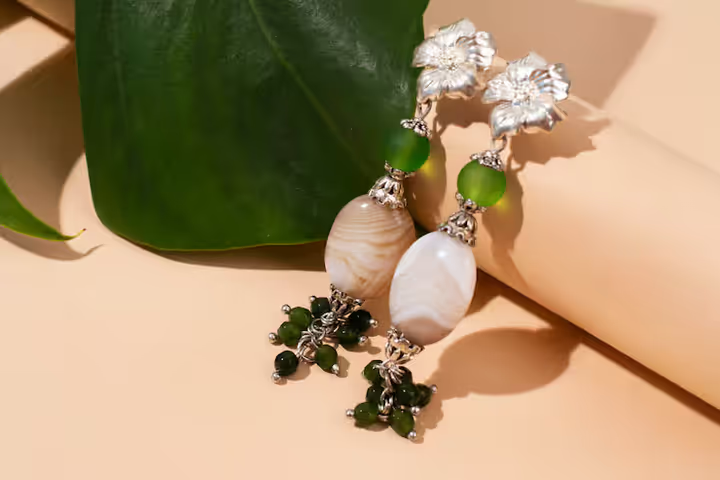
A Professional Guide to Ethical Jewellery Brands: Responsible Practices and Industry Standards
Ethical jewellery brands focus on responsible practices throughout the jewelry production process. This may include responsible sourcing of precious metals and gemstones, transparent supply chains, environmental awareness, and attention to worker welfare.
While approaches differ between companies, the general goal is to reduce negative social and environmental impacts associated with jewelry production.
The growing interest in ethical jewellery brands reflects changing consumer awareness about where materials originate and how finished jewelry is produced. Today, many sustainable jewelry brands explain the origin of metals, gemstones, and manufacturing processes to provide greater transparency.
Ethical diamond jewelry has become an important part of this movement. Many consumers now seek information about mined diamonds, laboratory-grown diamonds, recycled precious metals, and responsible sourcing standards before selecting jewelry for personal use or special occasions.
Luxury ethical jewelry has also gained attention within the broader luxury jewelry market. Rather than focusing only on appearance, many modern collections emphasize craftsmanship alongside responsible production practices.
How Responsible Jewelry Practices Developed
Jewelry has been created for thousands of years using precious metals such as gold, silver, and platinum, along with gemstones including diamonds, sapphires, rubies, and emeralds.
As international supply chains expanded, public interest also grew regarding mining practices, labor conditions, environmental management, and traceability. This encouraged many luxury jewelry brands to improve documentation and strengthen sourcing policies.
Today, ethical engagement rings and ethical diamond jewelry are often discussed within the wider topic of responsible luxury products.
Common Materials Used
Ethical jewelry may include:
- Recycled gold
- Recycled silver
- Platinum
- Laboratory-grown diamonds
- Responsibly sourced natural diamonds
- Recycled gemstones
- Fairly sourced colored gemstones
The materials selected depend on the manufacturer's sourcing policies and production methods.
Importance
Why Ethical Jewelry Matters
Jewelry often represents important life events such as engagements, weddings, anniversaries, graduations, and family celebrations. Many people want these meaningful purchases to reflect values related to environmental responsibility and ethical sourcing.
Ethical jewellery brands attempt to provide greater transparency about how materials move through the supply chain before becoming finished jewelry.
Environmental Considerations
Mining precious metals and gemstones can affect land, water, and ecosystems. Responsible production methods may include efforts to reduce waste, improve water management, and increase recycled material use.
Sustainable jewelry brands often discuss recycled precious metals because recycling can reduce demand for newly mined materials.
Supply Chain Transparency
Modern jewelry supply chains may involve mining, refining, cutting, polishing, manufacturing, and retail distribution across several countries.
Improved documentation allows consumers to better understand where materials originated and how they were processed.
Consumer Awareness
Many consumers now research jewelry before making purchasing decisions. Questions frequently include:
- Where were the materials obtained?
- Are recycled metals used?
- How are diamonds sourced?
- Are supply chains documented?
- What environmental standards are followed?
These questions have encouraged greater transparency throughout the jewelry industry.
Ethical Engagement Rings
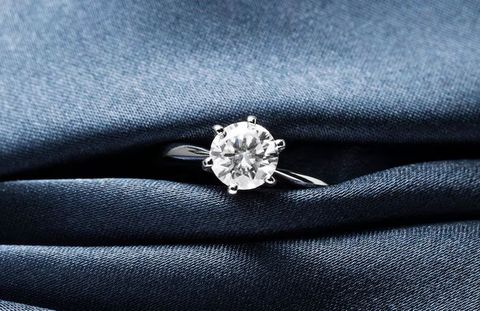
Ethical engagement rings have become increasingly popular because engagements often represent lifelong commitments. Some individuals prefer rings made with responsibly sourced natural diamonds, while others choose laboratory-grown diamonds or recycled metals.
Both approaches may support different sustainability priorities depending on individual preferences.
Common Jewelry Materials and Sourcing Approaches
Recycled Precious Metals
Gold, silver, and platinum can often be recycled without significantly changing their physical properties. Recycling reduces the need for additional mining of some raw materials.
Natural Diamonds
Natural diamonds are formed over millions of years beneath the Earth's surface. Responsible sourcing programs aim to improve traceability and documentation throughout the supply chain.
Laboratory-Grown Diamonds
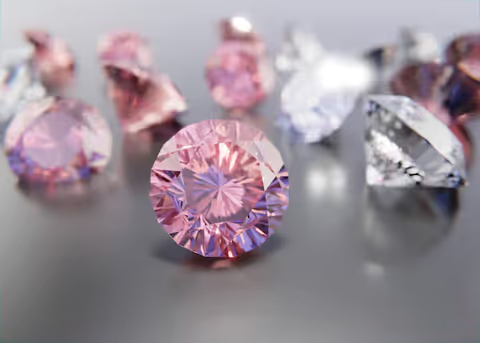
Laboratory-grown diamonds have the same basic crystal structure as natural diamonds but are produced in controlled manufacturing environments rather than mined.
Colored Gemstones
Gemstones such as sapphires, emeralds, and rubies may also be sourced under responsible mining programs depending on the producer.
Comparison of Common Jewelry Materials
| Material | Source | Common Characteristics |
|---|---|---|
| Recycled gold | Previously refined gold | Supports material reuse |
| Recycled silver | Previously refined silver | Conserves existing resources |
| Natural diamond | Geological formation | Traditional gemstone |
| Laboratory-grown diamond | Controlled production | Same crystal structure as natural diamond |
| Platinum | Natural metal or recycled material | Durable precious metal |
Recent Updates
Improved Traceability
Recent years have seen greater use of digital documentation to improve gemstone and precious metal traceability. Some companies now provide detailed information about material origin and processing.
Digital records help strengthen transparency throughout supply chains.
Growth of Laboratory-Grown Diamonds
Laboratory-grown diamonds continue to become more widely available across different jewelry categories. Consumers now have additional choices alongside traditionally mined diamonds.
This development has expanded discussions about responsible sourcing and sustainability.
Increased Recycling of Precious Metals
Many manufacturers have increased the use of recycled gold, silver, and platinum within new jewelry collections.
Material recycling continues to receive attention because precious metals retain their properties through repeated refining.
More Environmental Reporting
Luxury ethical jewelry manufacturers increasingly publish information about environmental objectives, energy use, and responsible sourcing practices.
Although reporting methods vary, transparency has become more common throughout the industry.
Technology Supporting Supply Chains
Digital tracking systems, blockchain-based documentation, and electronic certification tools are increasingly used to improve supply chain records for diamonds and precious metals.
These technologies help document product movement through manufacturing stages.
Laws or Policies
Diamond Trade Regulations
International diamond trade is influenced by various agreements intended to reduce the circulation of conflict diamonds and improve supply chain oversight.
These systems help participating countries monitor diamond exports and imports.
Consumer Protection Laws
Jewelry businesses are generally subject to consumer protection regulations covering product descriptions, material disclosure, hallmarking requirements, and accurate representation.
These rules vary by country.
Precious Metal Standards
Many countries regulate purity markings for gold, silver, platinum, and other precious metals. Hallmarks help identify metal composition according to national standards.
Environmental Regulations
Mining activities may also be governed by environmental regulations covering land management, water protection, waste handling, and rehabilitation.
The exact requirements depend on national laws.
Tools and Resources
Several resources help consumers learn more about jewelry materials and responsible sourcing:
- Jewelry hallmark guides
- Diamond grading reports
- Gemological laboratories
- Responsible sourcing publications
- Jewelry care guides
- Precious metal purity references
- Sustainability reports
- International jewelry associations
- Consumer education websites
- Gemstone identification resources
These materials support informed understanding of jewelry production and material characteristics.
FAQs
What are ethical jewellery brands?
Ethical jewellery brands focus on responsible sourcing, transparency, environmental awareness, and ethical production practices throughout the jewelry supply chain.
What makes sustainable jewelry brands different?
Sustainable jewelry brands may emphasize recycled precious metals, responsible sourcing, environmental management, and improved supply chain transparency.
What is ethical diamond jewelry?
Ethical diamond jewelry generally refers to jewelry made with diamonds sourced through responsible supply chains or produced using laboratory-grown diamond technology, depending on the manufacturer's approach.
What are ethical engagement rings?
Ethical engagement rings are engagement rings created using responsibly sourced materials, recycled metals, laboratory-grown diamonds, or other documented sourcing practices.
Can luxury ethical jewelry include traditional materials?
Yes. Luxury ethical jewelry may include traditional precious metals and natural diamonds when they are sourced under responsible supply chain and environmental practices.
Conclusion
Ethical jewellery brands represent a growing area of the jewelry industry that focuses on responsible sourcing, transparency, and environmental awareness. Sustainable jewelry brands, ethical diamond jewelry, and ethical engagement rings reflect changing consumer interest in understanding how jewelry is produced. Improvements in traceability, recycled materials, and digital documentation continue to shape modern jewelry manufacturing. Understanding these developments helps consumers learn about the many factors involved in responsible jewelry production.