A Professional Guide to Furniture Manufacturing: Advanced Techniques and Best Practices
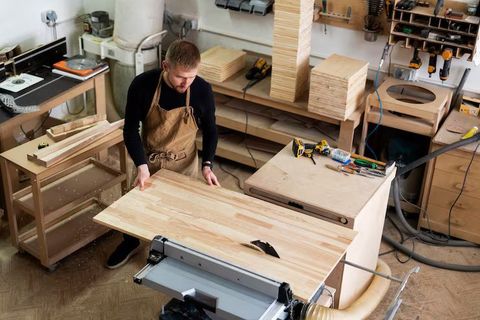
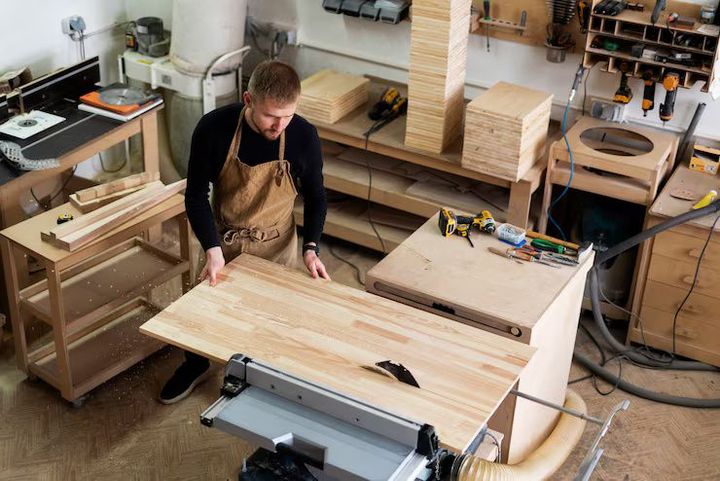
Furniture manufacturing is the process of designing, producing, assembling, and finishing products such as tables, chairs, cabinets, beds, shelves, and office furnishings. Modern production combines traditional craftsmanship with advanced machinery to improve accuracy, efficiency, and consistent quality. Today, furniture manufacturing equipment plays an important role in every stage of production, from material preparation to final assembly.
Industrial furniture manufacturers produce a wide range of products for homes, offices, schools, healthcare facilities, hotels, and commercial buildings. Depending on production goals, factories may focus on large production volumes, custom furniture manufacturing, or modular furniture manufacturing that allows flexible assembly.
How the Industry Has Developed
Furniture production has evolved significantly over time. Early workshops relied mainly on manual woodworking techniques and hand tools. As industrial technology advanced, powered machinery made it possible to process larger quantities of wood, metal, plastic, and engineered materials.
Today, CNC furniture manufacturing machines, automated cutting systems, robotic handling equipment, and digital design software are common in many production facilities. These developments have increased production accuracy while supporting a wider variety of furniture designs.
Materials Used in Furniture Production
Furniture manufacturers work with numerous materials depending on product type and intended use. Common materials include:
- Solid wood
- Engineered wood panels
- Steel and aluminum
- Plastic composites
- Glass
- Upholstery fabrics
- Foam materials
- Decorative laminates
Different materials require different processing equipment, manufacturing methods, and finishing techniques.
Importance
Supporting Everyday Living
Furniture is part of nearly every home, workplace, school, hospital, restaurant, and public building. Comfortable seating, storage systems, workstations, and tables contribute to daily activities in both personal and professional environments.
Office furniture production supports modern workplaces by providing desks, conference tables, filing systems, ergonomic seating, and collaborative workspaces.
Supporting Multiple Industries
Furniture manufacturing supports construction, interior design, hospitality, education, healthcare, transportation, and retail industries. New buildings often require large quantities of furniture during completion, making manufacturing an important part of broader economic activity.
Commercial furniture manufacturers frequently produce furniture designed for hotels, shopping centers, airports, educational institutions, and healthcare environments.
Improving Production Efficiency
Modern furniture manufacturing equipment helps improve production consistency while reducing material waste. Automated cutting and assembly systems allow factories to process components more accurately than many traditional manual methods.
Automation also supports better organization of production workflows.
Meeting Different Customer Needs
Not every customer requires identical furniture. Some products are manufactured in high volumes using standardized designs, while others involve custom furniture manufacturing for unique dimensions or specialized applications.
Modular furniture manufacturing has become increasingly important because modular products can be arranged in multiple configurations to suit changing spaces.
Main Stages of Furniture Manufacturing
Design and Product Development
Every furniture product begins with a design process. Engineers and designers prepare drawings, material specifications, and production plans before manufacturing begins.
Computer-aided design software helps visualize products before physical production.
Material Preparation
Raw materials are inspected and prepared before processing. Wood panels may be cut into smaller sections, while metal components may undergo forming and machining.
Proper material preparation improves production accuracy throughout the manufacturing process.
Cutting and Machining
CNC furniture manufacturing machines are commonly used to cut panels, drill holes, create grooves, and shape components with high precision.
Computer-controlled machinery allows repeated production of identical parts while reducing measurement errors.
Assembly
After machining, furniture components are assembled using connectors, adhesives, screws, or specialized fasteners.
Assembly methods vary depending on furniture type and material selection.
Surface Finishing
Surface finishing protects furniture while improving appearance. Common finishing methods include:
- Sanding
- Painting
- Powder coating
- Veneering
- Lamination
- Protective coatings
Different finishes are selected according to the intended application.
Inspection and Packaging
Finished furniture is inspected before packaging. Quality checks may include measurements, stability testing, surface appearance, and hardware inspection.
Products are then prepared for storage and transportation.
Common Furniture Manufacturing Equipment
| Equipment | Primary Function | Typical Application |
|---|---|---|
| Panel saw | Cutting wood panels | Cabinet production |
| CNC router | Precision machining | Complex furniture parts |
| Edge banding machine | Edge finishing | Laminated furniture |
| Drilling machine | Hole preparation | Assembly components |
| Sanding machine | Surface preparation | Wood finishing |
| Assembly equipment | Component joining | Final furniture assembly |
Recent Updates
Growth of Automation
Between 2024 and 2026, automation has continued expanding across furniture manufacturing. Automated furniture production lines now perform many repetitive production activities including cutting, material handling, drilling, and component movement.
Automation helps organize production while improving consistency.
Greater Use of Digital Manufacturing
Digital production planning has become increasingly common. Computer software now connects product design, machine programming, inventory management, and production scheduling.
Many factories integrate CNC furniture manufacturing machines directly with digital design systems.
Expansion of Modular Furniture
Modular furniture manufacturing continues growing as homes and offices increasingly require flexible layouts. Modular systems allow furniture to adapt to changing space requirements without replacing entire product lines.
This trend supports changing workplace and residential designs.
Sustainable Material Development
Manufacturers continue exploring recycled materials, engineered wood products, and improved production methods that reduce waste generation during manufacturing.
Efficient material use remains an important focus throughout the industry.
Smart Factory Technologies
Advanced furniture manufacturing technologies increasingly include digital monitoring systems that collect production information from machinery.
These systems help monitor equipment performance, production efficiency, and maintenance planning.
Laws or Policies
Product Safety Standards
Furniture products are often manufactured according to national or international safety standards. These standards may address structural strength, stability, flammability, and material performance.
Requirements differ depending on furniture type and intended application.
Workplace Safety Regulations
Furniture factories operate cutting equipment, lifting devices, finishing systems, and automated machinery. Workplace safety regulations help reduce risks by establishing requirements for equipment operation, protective equipment, and machine guarding.
Safe handling practices remain important throughout production.
Environmental Regulations
Manufacturing facilities may follow environmental regulations governing emissions, waste management, noise control, and material disposal.
Many countries encourage efficient resource use and responsible manufacturing practices.
Material Compliance
Certain furniture products must meet regulations related to chemical content, formaldehyde emissions, coatings, and material safety depending on local requirements.
Manufacturers often maintain documentation demonstrating compliance with applicable standards.
Tools and Resources
Several resources support furniture manufacturing and production planning:
- Computer-aided design (CAD) software for product development.
- Computer-aided manufacturing (CAM) software for machine programming.
- Enterprise resource planning systems for inventory management.
- Production scheduling software.
- Material optimization software for cutting layouts.
- Quality inspection documentation templates.
- Engineering standards databases.
- Technical manuals for furniture manufacturing equipment.
These tools help improve organization throughout the production process.
FAQs
What is furniture manufacturing equipment?
Furniture manufacturing equipment includes machines used for cutting, drilling, shaping, sanding, assembling, and finishing furniture components during production.
What do industrial furniture manufacturers produce?
Industrial furniture manufacturers produce residential, commercial, educational, healthcare, and office furniture using specialized manufacturing processes and industrial equipment.
What is modular furniture manufacturing?
Modular furniture manufacturing focuses on producing furniture made from interchangeable components that can be arranged into different layouts depending on available space.
How do CNC furniture manufacturing machines improve production?
CNC furniture manufacturing machines use computer-controlled movements to cut and shape materials with high precision, helping improve production consistency.
What are automated furniture production lines?
Automated furniture production lines combine multiple machines and material handling systems that work together to perform sequential manufacturing operations with limited manual intervention.
Conclusion
Furniture manufacturing combines engineering, material science, digital technology, and production planning to create products used in homes, offices, and commercial buildings. Furniture manufacturing equipment, CNC furniture manufacturing machines, and automated furniture production lines continue shaping modern production methods. Modular furniture manufacturing and custom furniture manufacturing allow manufacturers to meet different design requirements while maintaining production efficiency. As advanced furniture manufacturing technologies continue developing, the industry increasingly combines automation with digital production management.