A Professional Guide to PCB Routing Machines: Advanced Techniques and Best Practices
Printed circuit boards, often called PCBs, form the foundation of modern electronic devices. Mobile phones, household appliances, medical instruments, vehicles, and industrial equipment all rely on these components. Discussions involving PCB routing machine manufacturers commonly focus on precision cutting, automation, and efficient production methods.
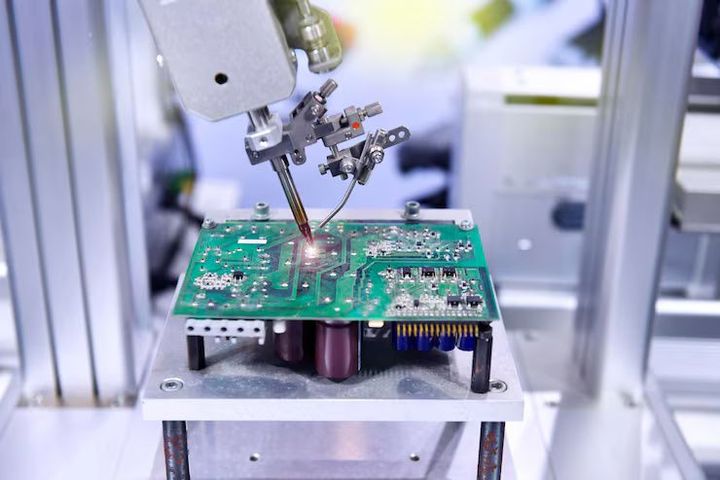
A routing machine separates individual circuit boards from larger production panels after assembly processes are complete. Automatic PCB routing machines perform this work through computer-controlled movement and highly accurate cutting paths.
Industrial PCB depaneling equipment has become increasingly important as electronic devices grow smaller and more complex. The ability to separate boards without damaging delicate components supports reliable manufacturing outcomes.
Historical Development
Early electronics production relied on manual separation techniques. Workers often used simple tools to remove individual boards from larger panels, which required considerable attention and time.
The introduction of CNC PCB routing systems transformed manufacturing practices. Computer control improved repeatability and allowed intricate board designs to be processed with greater precision.
Later developments introduced laser PCB depaneling machines, adding another approach for applications requiring minimal mechanical contact. These systems expanded the range of materials and layouts that manufacturers could process.
Major Categories of Equipment
Modern PCB fabrication equipment includes several important machine types:
- Mechanical routing systems that use rotating cutting tools.
- Laser-based depaneling units for delicate assemblies.
- Inline automation systems integrated into production lines.
- Vision-guided inspection platforms.
- Material handling equipment for panel movement.
Turnkey PCB manufacturing solutions often combine multiple technologies into coordinated production environments.
Importance
Supporting Everyday Technology
People interact with electronic products throughout daily life. Smartphones, computers, transportation systems, healthcare devices, and communication networks all depend on reliable circuit board manufacturing.
Industrial PCB depaneling equipment contributes to the final stages of production by separating boards accurately and consistently. This step helps preserve component integrity and supports long-term functionality.
Without precise routing processes, electronic assemblies could experience mechanical stress or alignment problems.
Enabling Miniaturization
Modern devices continue to become smaller while incorporating additional capabilities. This trend requires highly accurate manufacturing methods.
Automatic PCB routing machines can follow complex paths that accommodate dense component layouts. Their precision supports compact electronic designs across numerous industries.
The growth of wearable devices and portable electronics has further increased the importance of advanced routing technology.
Supporting Industrial Development
Electronics manufacturing influences many sectors, including:
- Healthcare technology.
- Transportation systems.
- Renewable energy equipment.
- Telecommunications infrastructure.
- Consumer electronics.
- Industrial automation.
PCB cutting machine suppliers contribute to these ecosystems by supporting production activities that connect multiple industries.
Environmental Considerations
Efficient manufacturing practices help reduce unnecessary material waste.
Modern CNC PCB routing systems optimize cutting paths and improve panel utilization. Better planning contributes to more effective use of raw materials throughout production processes.
Environmental awareness also encourages recycling initiatives related to electronic manufacturing byproducts.
Recent Updates
Growth of Industry 4.0 Integration
Industry 4.0 PCB production technologies continue influencing electronics manufacturing.
Machines increasingly communicate through connected digital platforms that monitor operational conditions, maintenance schedules, and production performance. These systems support data-driven decision-making across manufacturing facilities.
Real-time information helps organizations coordinate multiple production stages more effectively.
Expansion of Automated Production
Automatic PCB routing machines now include sophisticated vision systems and intelligent control features.
These developments allow equipment to recognize panel positions, verify alignment, and adjust operations according to specific production requirements. Automation reduces manual intervention while maintaining consistency.
The trend reflects broader developments across advanced manufacturing sectors.
Advances in Laser Processing
Laser PCB depaneling machines have gained attention for applications involving sensitive components and specialized materials.
Unlike mechanical methods, laser systems minimize direct physical contact during separation. This approach can be suitable for certain compact electronic assemblies and flexible circuit designs.
Research continues into improving processing speed and precision.
Improved Connectivity
Modern PCB fabrication equipment increasingly incorporates digital communication capabilities.
Common features include:
- Remote monitoring functions.
- Predictive maintenance planning.
- Automated reporting tools.
- Production analytics.
- Equipment utilization tracking.
These capabilities support coordinated manufacturing environments.
Smart Factory Development
Industry 4.0 PCB production technologies connect routing systems with broader factory operations.
Integrated manufacturing platforms help manage:
- Material movement.
- Production schedules.
- Quality documentation.
- Inventory information.
- Equipment maintenance activities.
This connectivity strengthens visibility across complex electronics facilities.
Common PCB Depaneling Technologies
| Technology | Main Method | Typical Applications |
|---|---|---|
| Mechanical routing | Rotating cutters | General electronics |
| Laser depaneling | Focused light energy | Compact assemblies |
| V-groove separation | Pre-scored panels | Standard production |
| Punch systems | Mechanical pressing | High-volume formats |
| Hybrid systems | Multiple methods | Specialized products |
Laws or Policies
Electronic Manufacturing Regulations
Electronics production operates within national and international regulatory frameworks.
These regulations address environmental protection, worker safety, and material handling practices. PCB fabrication equipment must function within requirements established by relevant authorities.
Manufacturers frequently align processes with recognized industry standards.
Environmental Requirements
Electronic production involves materials that require careful management.
Policies often address:
- Waste treatment procedures.
- Emissions management.
- Recycling initiatives.
- Resource efficiency measures.
- Chemical handling practices.
Environmental stewardship has become an important consideration throughout electronics manufacturing.
Workplace Safety Standards
Industrial PCB depaneling equipment incorporates moving mechanisms, electrical systems, and precision tools.
Safety measures commonly include:
- Protective enclosures.
- Emergency shutdown controls.
- Dust management systems.
- Regular equipment inspections.
- Operator training procedures.
These practices support safer manufacturing environments.
International Technical Standards
Global electronics industries rely on common technical frameworks that encourage compatibility and quality consistency.
CNC PCB routing systems and related equipment frequently incorporate standards connected to machine safety, electrical requirements, and production documentation.
Tools and Resources
Computer-Aided Design Platforms
Engineers use electronic design software to create circuit layouts and routing paths.
These programs help determine board dimensions, component placement, and manufacturing requirements before production begins.
Digital design tools play a central role in contemporary electronics development.
Manufacturing Execution Systems
Production facilities often utilize software platforms that coordinate manufacturing activities.
Functions may include:
- Production scheduling.
- Material tracking.
- Equipment monitoring.
- Documentation management.
- Quality reporting.
Such systems support organized workflows across large facilities.
Technical Standards Organizations
Industry organizations publish educational materials and technical guidance regarding electronics production methods.
These resources contribute to knowledge sharing among engineers, researchers, and manufacturing professionals.
Simulation Tools
Digital simulations allow engineers to examine production processes before implementation.
Turnkey PCB manufacturing solutions frequently incorporate virtual modeling that evaluates equipment layouts and material movement patterns.
FAQs
What do PCB routing machine manufacturers produce?
PCB routing machine manufacturers develop equipment that separates individual circuit boards from larger panels through precise computer-controlled cutting processes.
How do automatic PCB routing machines operate?
Automatic PCB routing machines use programmed cutting paths, motion control systems, and positioning technology to remove completed boards accurately and consistently.
What is industrial PCB depaneling equipment used for?
Industrial PCB depaneling equipment separates finished circuit boards after assembly operations while helping preserve delicate electronic components and connections.
How are laser PCB depaneling machines different from mechanical systems?
Laser PCB depaneling machines utilize focused light energy rather than rotating cutting tools, reducing direct mechanical contact during board separation.
What role do Industry 4.0 PCB production technologies play in manufacturing?
Industry 4.0 PCB production technologies connect machinery, software platforms, and data systems to improve visibility, coordination, and operational understanding throughout electronics facilities.
Conclusion
PCB routing technology represents an essential stage in modern electronics production. Automatic PCB routing machines, CNC PCB routing systems, and laser PCB depaneling machines support the creation of devices used throughout everyday life. Ongoing developments in automation, connectivity, and Industry 4.0 PCB production technologies continue shaping manufacturing practices. Understanding these systems provides insight into the sophisticated processes behind contemporary electronic products.