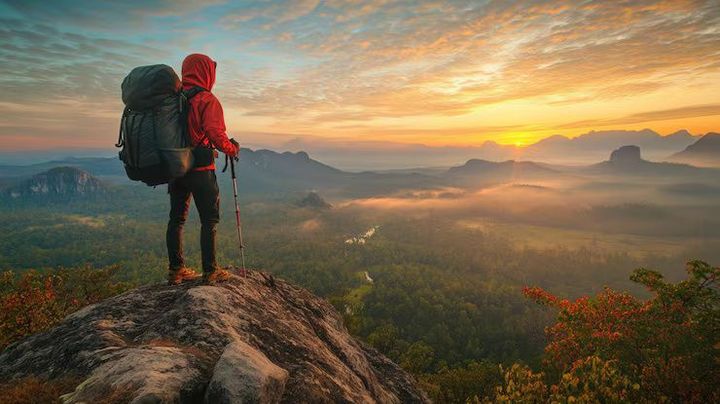
Adventure Travel Guide: Discover Nature Trails, Culture, and Outdoor Activities
Adventure travel refers to tourism and outdoor activities that involve exploration, physical activity, cultural experiences, or interaction with nature. It can include hiking, trekking, camping, kayaking, mountain climbing, wildlife observation, and eco-tourism. Over the last decade, adventure-focused experiences have become increasingly popular because travelers are looking for meaningful and active experiences instead of traditional sightseeing alone.
Adventure tourism exists because many people want opportunities to connect with nature, challenge themselves physically, and learn about different environments and cultures. Improvements in transportation, digital navigation tools, and online travel information have made remote destinations easier to explore responsibly.
Today, adventure experiences range from beginner-friendly nature walks to advanced mountain expeditions. Many countries now promote sustainable adventure tourism as part of environmental awareness and local economic development.
Importance
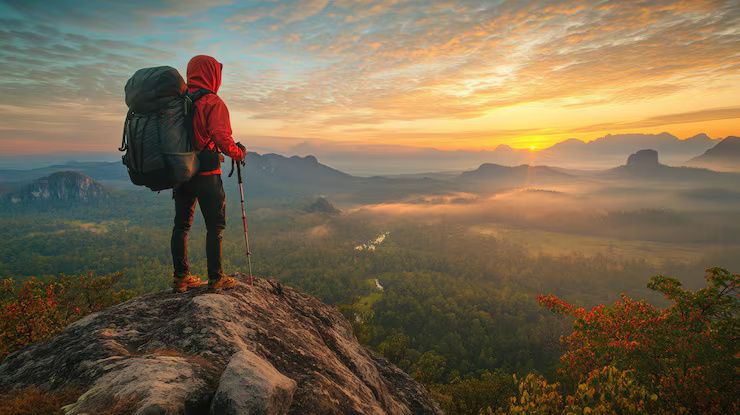
Adventure travel matters today because it supports physical activity, cultural understanding, environmental awareness, and local tourism economies. It also encourages people to spend time outdoors, which may help reduce stress and improve mental well-being.
Travelers, students, photographers, researchers, and outdoor enthusiasts are all affected by the growth of adventure tourism. Communities in mountain regions, forests, deserts, and coastal areas often benefit from tourism-related development and infrastructure improvements.
Some important benefits include:
Outdoor Learning Opportunities
- Understanding ecosystems and wildlife
- Learning survival and navigation basics
- Exploring historical and cultural sites
- Building teamwork and problem-solving skills
Environmental Awareness
Adventure travel often introduces visitors to conservation efforts, national parks, and protected ecosystems. This helps increase awareness about climate change, pollution, and biodiversity protection.
Economic Contribution
Adventure tourism contributes to transportation, hospitality, guiding, equipment manufacturing, and regional tourism development in many countries.
| Adventure Activity | Common Locations | Skill Level | Main Purpose |
|---|---|---|---|
| Hiking | Mountains and forests | Beginner to Advanced | Fitness and exploration |
| Camping | National parks | Beginner | Outdoor experience |
| Kayaking | Rivers and lakes | Intermediate | Water recreation |
| Wildlife Safari | Nature reserves | Beginner | Wildlife education |
| Rock Climbing | Cliffs and hills | Advanced | Physical challenge |
Recent Updates
Adventure tourism has experienced major changes during 2025 and late 2024 due to sustainability trends, digital mapping improvements, and environmental regulations.
Sustainable Tourism Growth in 2025
Many travel organizations and governments are encouraging eco-friendly travel practices. Protected forest zones and marine reserves now have stricter visitor management systems to reduce environmental damage.
Technology and Smart Travel Tools
Recent travel trends include:
- AI-powered route planning applications
- Satellite-based emergency communication devices
- Digital weather forecasting systems
- Real-time trail condition monitoring
Travel platforms also introduced advanced safety notifications and location-sharing systems during 2025 to improve outdoor safety awareness.
Climate Awareness and Weather Preparedness
Extreme weather events in several countries during 2024 and 2025 increased awareness about travel preparation. Many tourism agencies now recommend seasonal planning and environmental risk assessments before visiting remote destinations.
Wellness and Nature Travel Trends
Health-focused outdoor experiences became more common in 2025, including:
- Forest walking programs
- Wellness retreats near natural environments
- Minimalist camping experiences
- Digital detox travel programs
Adventure Tourism Trend Growth (2025)

Eco Tourism        ██████████████
Mountain Trekking  ████████████
Camping Travel     ██████████
Water Adventures   ████████
Wildlife Tours     █████████
Laws or Policies
Adventure tourism is influenced by environmental laws, travel regulations, and safety policies that vary by country and region.
Protected Area Regulations
National parks and wildlife reserves often require:
- Visitor permits
- Restricted camping zones
- Wildlife protection compliance
- Waste disposal guidelines
These rules help preserve ecosystems and reduce environmental damage caused by excessive tourism.
Safety and Travel Policies
Many governments introduced updated outdoor safety recommendations after recent climate-related incidents. Travelers may need:
- Emergency identification
- Insurance documentation
- Activity permits
- Certified equipment in restricted areas
Environmental Conservation Policies
Several countries launched sustainability programs in 2025 focused on:
- Carbon reduction initiatives
- Eco-tourism awareness
- Plastic waste reduction
- Sustainable transportation promotion
Drone and Photography Restrictions
Adventure travelers using drones for photography should understand local aviation and wildlife protection laws. Certain parks and cultural heritage areas restrict drone usage to protect wildlife and visitor privacy.
Tools and Resources
Modern adventure travel depends heavily on digital tools, educational platforms, and safety applications.
Navigation and Mapping Tools
- GPS navigation applications
- Offline trail maps
- Satellite communication devices
- Digital compass applications
Weather Monitoring Platforms
Weather forecasting tools help travelers understand:
- Rainfall patterns
- Temperature changes
- Storm alerts
- Wind conditions
Educational Resources
Helpful learning materials include:
- Outdoor safety guides
- Wilderness survival tutorials
- First aid training materials
- Environmental conservation programs
Planning Templates
Adventure travelers often use:
- Packing checklists
- Budget planners
- Route templates
- Emergency contact sheets
Popular Digital Resources
Useful categories of platforms include:
- National park information portals
- Trail condition trackers
- Wildlife education websites
- Camping preparation guides
FAQs
What is adventure travel?
Adventure travel involves outdoor or exploration-based experiences that may include physical activities, cultural interaction, and nature-focused tourism.
Is adventure tourism only for experienced travelers?
No. Many adventure activities are beginner-friendly and designed for different fitness and experience levels. Proper preparation and safety awareness are important for all travelers.
Why is sustainable adventure tourism important?
Sustainable tourism helps protect ecosystems, wildlife, and local communities while reducing environmental damage caused by excessive travel activity.
What equipment is commonly needed for outdoor adventures?
Common equipment includes navigation tools, weather-appropriate clothing, hydration supplies, first aid kits, and communication devices.
How do travelers prepare for remote destinations?
Preparation may include route planning, weather research, emergency contact sharing, permit verification, and learning basic safety procedures.
Conclusion
Adventure travel continues to evolve as more people seek meaningful outdoor experiences, environmental awareness, and cultural exploration. Modern technology, sustainability initiatives, and improved safety education have made outdoor activities more accessible and organized than ever before.
At the same time, responsible tourism practices remain important for protecting natural ecosystems and supporting local communities. Travelers who understand environmental guidelines, weather preparedness, and regional regulations are better equipped to enjoy safe and educational experiences.
As global interest in eco-tourism and outdoor recreation grows through 2025 and beyond, adventure travel is expected to remain an important part of modern tourism, environmental education, and wellness-focused lifestyles.