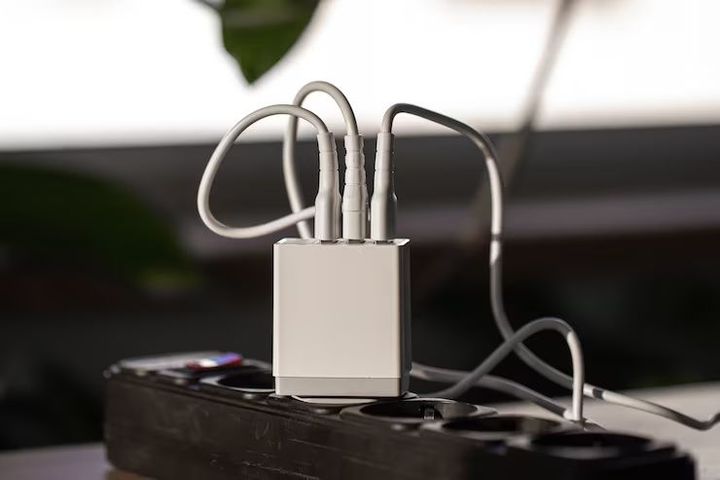
The concept exists due to the lack of global standardization in electrical infrastructure. For example, Europe commonly uses round-pin plugs, while countries like the United States use flat-pin designs. Without a travel adapter, devices may not physically connect to foreign outlets.
It is important to note that a travel adapter does not convert voltage. It simply enables plug compatibility. Devices that are not dual-voltage may require additional equipment such as voltage converters.
Importance: Why Travel Adapters Matter Today
Travel adapters have become increasingly relevant in today’s globalized world. International travel for education, business, tourism, and remote work has increased significantly, especially after 2023 when global travel rebounded strongly.
This topic matters because:
-
Many modern devices rely on frequent charging
-
Travelers often carry multiple electronic gadgets
-
Power incompatibility can interrupt communication and work
-
Some devices can be damaged if used incorrectly
Travel adapters help solve common problems such as:
-
Inability to charge devices abroad
-
Plug shape mismatch
-
Limited access to compatible power sources
They affect a wide range of people including:
-
International tourists
-
Business travelers
-
Students studying abroad
-
Remote workers and digital nomads
Without proper knowledge of travel adapters, users may experience inconvenience or even risk damaging their electronics.
Recent Updates: Trends and Changes in 2025–2026
Over the past year, there have been several developments related to travel adapters and power usage:
-
In 2025, more countries began encouraging universal USB charging ports in public spaces such as airports and hotels
-
The adoption of USB-C as a standard charging format has expanded globally
-
Many manufacturers are focusing on compact, multi-region adapters with built-in safety features
-
Increased awareness around electrical safety certifications has influenced product design and usage
-
Some regions are gradually aligning with energy efficiency standards to reduce power consumption
Additionally, travelers are now more informed about voltage differences, especially when using high-power devices such as hair tools or laptops.
Laws or Policies: Regulations Affecting Travel Adapters
Travel adapters are influenced by electrical safety standards and regulations that vary by country. These rules ensure safe usage and reduce risks such as electrical fires or device damage.
Key policy considerations include:
-
Voltage Standards:
Countries operate on either 110–120V or 220–240V systems
-
Plug Type Regulations:
Each country defines approved plug shapes and socket designs
-
Safety Certifications:
Devices may need certifications such as CE (Europe), BIS (India), or UL (USA)
-
Import Guidelines:
Some countries regulate electronic accessories entering their borders
-
Energy Efficiency Programs:
Governments promote low-energy devices and standardized charging systems
Travelers should be aware of local electrical standards before using their devices internationally.
Tools and Resources: Helpful Solutions for Travelers
Several tools and platforms can help users understand and use travel adapters effectively.
Plug Type Comparison Table
| Region/Country | Plug Type | Voltage | Frequency |
|---|
| USA | A, B | 120V | 60Hz |
| UK | G | 230V | 50Hz |
| Europe | C, E, F | 230V | 50Hz |
| Australia | I | 230V | 50Hz |
| India | C, D, M | 230V | 50Hz |
Useful Tools and Resources
-
Online plug type guides for different countries
-
Voltage compatibility charts
-
Mobile apps that provide electrical standards by location
-
Airport and airline travel checklists
-
Manufacturer manuals for device voltage ratings
Helpful Digital Platforms
-
Travel planning apps with power compatibility information
-
Global electrical standard websites
-
Device compatibility check tools
-
International travel forums
These tools help users prepare before traveling and avoid unexpected issues.
FAQs: Common Questions About Travel Adapters
What is the difference between a travel adapter and a voltage converter?
A travel adapter allows plugs to fit into foreign sockets, while a voltage converter changes electrical voltage to match device requirements.
Can all devices work with a travel adapter?
Only devices that support dual voltage (e.g., 100–240V) can safely work with a travel adapter alone.
How do I know which adapter I need?
Check the plug type and voltage of your destination country and compare it with your device specifications.
Is it safe to use travel adapters for high-power devices?
Some high-power devices may require voltage converters. Always verify device compatibility before use.
Do hotels provide compatible charging options?
Many hotels offer universal sockets or USB ports, but this is not guaranteed everywhere.
Conclusion: Key Takeaways and Practical Understanding
Travel adapters play a crucial role in enabling global connectivity and device usage. As international travel continues to grow, understanding how different electrical systems work becomes increasingly important.
By learning about plug types, voltage standards, and safety considerations, travelers can avoid inconvenience and protect their electronic devices. Recent trends such as USB-C adoption and improved safety designs are making travel adapters more efficient and user-friendly.
Awareness of regulations, tools, and compatibility guidelines ensures a smoother and safer travel experience. Whether for short trips or long-term stays, having the right knowledge about travel adapters helps maintain uninterrupted access to essential technology.