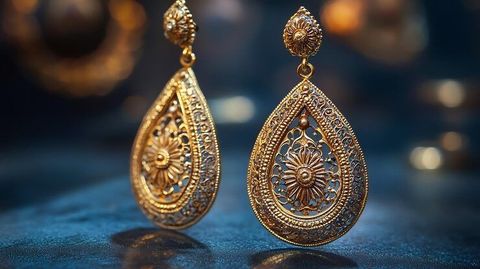
Afghan Kuchi tribal jewellery is a traditional form of adornment created by nomadic communities known as the Kuchi. These tribes have historically traveled across Afghanistan, Pakistan, and nearby regions, carrying rich artistic traditions with them.
Jewellery in Kuchi culture serves both decorative and cultural purposes. It often represents identity, social status, and family heritage, making it an important part of tribal life.
Common Materials and Design Features
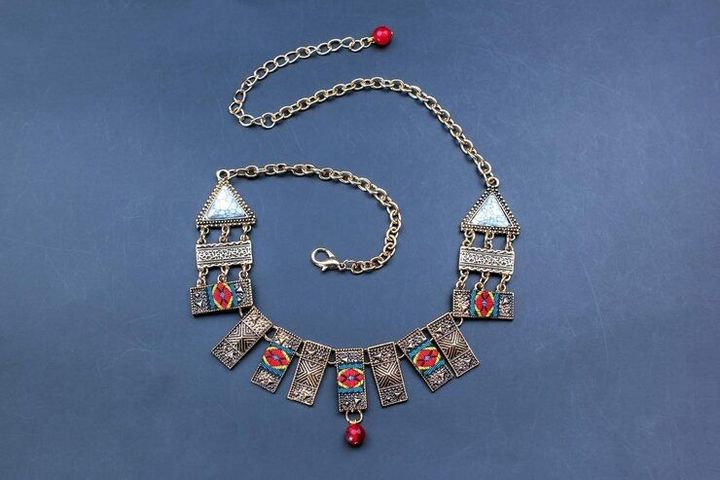
Most Kuchi jewellery pieces are made using durable and accessible materials. These include silver-toned alloys, glass stones, beads, and engraved metal plates.
Typical design characteristics include:
-
Bright colors such as turquoise, red, and green
-
Large decorative stones
-
Detailed metal engravings
-
Layered and bold structures
These ornaments are often worn during festivals, weddings, and cultural gatherings.
Types of Kuchi Jewellery
Kuchi jewellery includes a wide variety of decorative pieces designed for different parts of the body.
-
Headpieces and forehead ornaments
-
Necklaces and layered pendants
-
Bracelets and bangles
-
Rings with colorful stones
-
Belt decorations and body ornaments
Why Afghan Kuchi Jewellery Remains Important Today
Afghan Kuchi jewellery continues to hold cultural and historical value even as traditional lifestyles evolve. It plays a role in preserving artistic heritage and tribal identity.
Key Reasons for Its Relevance
-
Supports cultural preservation and historical knowledge
-
Contributes to global interest in ethnic jewellery
-
Reflects ancient trade routes like the Silk Road
-
Aligns with modern sustainability discussions
Many groups benefit from this continued relevance:
-
Cultural historians and anthropologists
-
Museum curators and archivists
-
Fashion researchers
-
Students studying global craft traditions
Kuchi jewellery also carries symbolic meanings. Certain designs are believed to represent protection, prosperity, and social identity within tribal communities.
Recent Developments and Cultural Trends
Interest in traditional tribal jewellery has increased in recent years, especially through digital and academic platforms.
Digital Preservation and Awareness
In 2025, museums and institutions expanded digital archives featuring tribal jewellery collections. These platforms allow users to explore designs through high-resolution images and 3D scanning technologies.
Social media and educational platforms also play a role in spreading awareness. Experts share insights about Kuchi jewellery through lectures, posts, and digital storytelling.
Influence on Modern Design
Traditional jewellery styles are now influencing contemporary fashion. Designers often incorporate:
-
Layered structures
-
Bold color combinations
-
Traditional motifs
There is also growing interest in sustainable fashion, where handcrafted jewellery is valued for its durability and long-lasting design.
Modern Areas of Interest
| Area of Study | Description |
|---|
| Cultural Heritage | Documentation of traditional jewellery and identity |
| Museum Exhibitions | Display of historic tribal ornaments |
| Sustainable Fashion | Focus on durable handcrafted accessories |
| Academic Research | Study of nomadic art and traditions |
Regulations and Cultural Protection Policies
Cultural heritage items such as Kuchi jewellery are protected by various national and international regulations. These policies aim to prevent illegal trade and preserve historical artifacts.
Key Regulatory Frameworks
-
National cultural heritage laws in Afghanistan
-
UNESCO preservation initiatives
-
International agreements on artifact protection
-
Museum acquisition and ethical guidelines
Museums often collaborate with cultural experts to ensure accurate representation. These policies also support educational programs that promote awareness of traditional crafts.
Helpful Tools and Educational Resources
Researchers and students can access a range of tools to study Afghan Kuchi jewellery in detail. These resources help document and analyze traditional designs.
Common Research Resources
-
Digital museum archives
-
Cultural heritage databases
-
Academic journals
-
Exhibition catalogs
-
Digital libraries on Central Asian history
Examples of Useful Tools
-
Virtual museum tours
-
Digital artifact catalog systems
-
Historical image archives
-
Cultural mapping platforms
Research Tools Table
| Tool Type | Purpose |
|---|
| Digital Archives | Store artifact data and historical images |
| 3D Scanning Tools | Preserve physical objects digitally |
| Academic Databases | Provide scholarly research |
| Cultural Mapping Platforms | Track regional craft traditions |
Frequently Asked Questions About Afghan Kuchi Jewellery
What is Afghan Kuchi tribal jewellery?
Afghan Kuchi tribal jewellery refers to traditional ornaments made by the Kuchi people. It is known for bold designs, colorful stones, and decorative metalwork.
What materials are commonly used?
Common materials include silver-toned alloys, glass stones, beads, and engraved metal plates. Turquoise and red stones are especially popular.
Why are the designs so colorful?
Bright colors enhance visual appeal and reflect cultural identity. They also highlight artistic expression within nomadic traditions.
Is it connected to historical trade routes?
Yes, many materials and influences come from trade routes such as the Silk Road.
Why do museums study it?
Museums study tribal jewellery to understand cultural heritage, artistic techniques, and historical lifestyles.
Visual Overview of Traditional Design Elements
Kuchi jewellery includes distinct design elements that make it easily recognizable.
| Design Element | Description |
|---|
| Large Pendants | Bold centerpieces used in necklaces |
| Coin Decorations | Metal coins used as symbolic elements |
| Layered Chains | Multiple chains creating layered styles |
| Bright Stones | Colored stones such as turquoise and red |
| Engraved Metal | Decorative carved patterns on metal surfaces |
Conclusion
Afghan Kuchi tribal jewellery represents a unique cultural tradition rooted in nomadic history. It combines decorative beauty with deep cultural symbolism, reflecting generations of craftsmanship.
Today, scholars and institutions continue to preserve and study these traditions. Digital tools, academic research, and global awareness efforts help maintain this important cultural heritage.
Understanding Kuchi jewellery offers valuable insight into trade history, cultural identity, and artistic expression. As interest in heritage preservation grows, these traditional ornaments remain significant in both historical and modern contexts.