African Safari Guide to Wildlife, National Parks, and Travel Planning Essentials
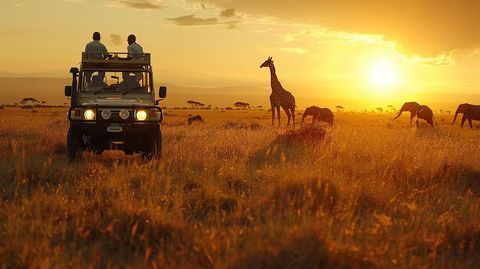
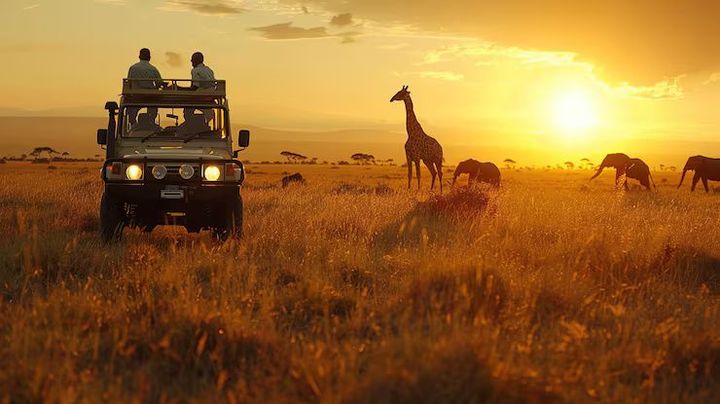
An African safari is one of the world's most memorable travel experiences, offering an opportunity to observe diverse wildlife in their natural habitats while discovering remarkable landscapes and unique ecosystems.
From expansive grasslands and dense forests to wetlands and deserts, Africa is home to some of the planet's most celebrated national parks and wildlife reserves.
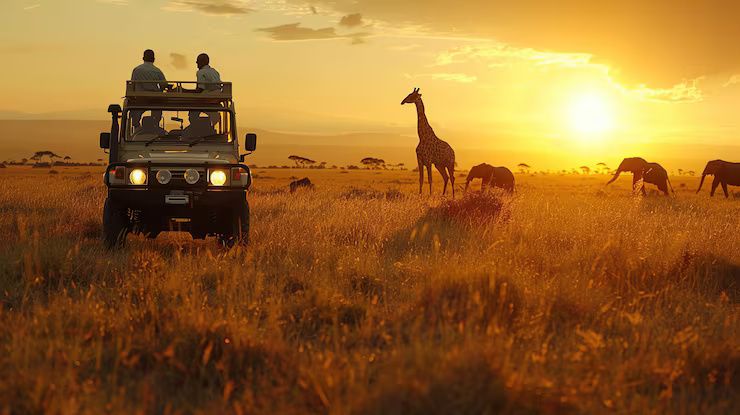
A safari is much more than simply watching animals. It combines conservation, cultural appreciation, responsible tourism, and outdoor adventure into an educational journey that helps travelers better understand nature and biodiversity. Whether planning a first safari in Africa or learning about different safari styles, understanding destinations, wildlife, travel seasons, and preparation can help create a more rewarding experience.
This guide explores the essentials of African safaris, including wildlife, major safari destinations, travel planning, accommodation styles, conservation, and practical tips for responsible travel.
What Is an African Safari?
An African safari is a guided or self-guided wildlife experience that allows visitors to observe animals in protected national parks, game reserves, and conservation areas across the African continent.
The word "safari" originally referred to a journey or expedition. Today, it commonly describes organized wildlife experiences where travelers observe animals such as elephants, lions, giraffes, zebras, rhinos, buffalo, and numerous bird species within their natural environments.
Modern Africa safari tours focus on wildlife observation, environmental education, photography, and conservation awareness while promoting responsible tourism practices.
Why Africa Is Famous for Safari Experiences
Africa contains an extraordinary variety of ecosystems that support thousands of wildlife species.
The continent offers:
- Vast savannas
- Mountain forests
- River ecosystems
- Wetlands
- Desert landscapes
- Coastal reserves
- Tropical woodlands
These diverse habitats allow visitors to experience different wildlife depending on the destination and season.
Many protected areas also play an important role in preserving endangered species and supporting long-term conservation efforts.
Wildlife Commonly Seen During a Safari in Africa
One of the main reasons travelers choose a safari in Africa is the opportunity to observe wildlife in natural settings.
Frequently observed animals include:
- African elephants
- Lions
- Leopards
- Cheetahs
- African buffalo
- Rhinoceroses
- Giraffes
- Zebras
- Hippopotamuses
- Crocodiles
- Wildebeest
- Antelope species
- Hyenas
- Ostriches
- Numerous bird species
Wildlife sightings vary depending on the park, season, habitat, weather conditions, and animal migration patterns.
Every safari offers a unique experience because wildlife movements constantly change.
Popular National Parks and Safari Destinations
Africa is home to hundreds of protected wildlife areas.
Some of the most recognized destinations include:
East Africa
East Africa is known for large open plains, seasonal wildlife migrations, and abundant predator populations.
Visitors often explore expansive national parks that support diverse ecosystems and rich biodiversity.
Southern Africa
Southern Africa offers excellent opportunities to observe wildlife through well-developed conservation areas, diverse landscapes, and extensive park infrastructure.
Many destinations combine wildlife viewing with cultural experiences and scenic environments.
Central Africa
Central Africa is recognized for tropical rainforests and opportunities to observe forest wildlife, including several rare and protected species.
Southern Desert Regions
Some safari destinations feature desert-adapted wildlife that has evolved to survive under challenging environmental conditions.
Each region offers distinctive landscapes and different wildlife viewing experiences.
Types of Africa Safari Tours
Africa safari tours are available in several formats depending on travel preferences and interests.
Guided Vehicle Safaris
Professional guides lead visitors through protected areas using specially designed safari vehicles while sharing information about wildlife, ecosystems, and conservation.
Walking Safaris
Walking safaris focus on observing nature from ground level while learning about plants, animal tracks, insects, and local ecosystems under the guidance of trained professionals.
Boat Safaris
River and lake safaris allow visitors to observe aquatic wildlife, birds, and animals that gather near water sources.
Photography Safaris
Photography-focused safaris emphasize wildlife observation, lighting conditions, and opportunities for nature photography.
Family Safaris
Some safari holidays are designed with family-friendly activities and educational experiences suitable for travelers of different ages.
Each safari style offers a different perspective on Africa's wildlife and landscapes.
Comparing Safari Experiences
| Safari Type | Primary Experience | Best For |
|---|---|---|
| Vehicle Safari | Broad wildlife viewing | First-time visitors |
| Walking Safari | Nature interpretation | Outdoor enthusiasts |
| Boat Safari | River ecosystems | Birdwatching and aquatic wildlife |
| Photography Safari | Wildlife photography | Nature photographers |
| Family Safari | Educational experiences | Families and children |
Selecting the right safari depends on personal interests, travel style, and desired level of adventure.
Luxury African Safari Experiences
A luxury African safari emphasizes comfort while maintaining close connections to nature and conservation.
Luxury safari experiences may include:
- Spacious safari lodges
- Private wildlife viewing opportunities
- Personalized guiding
- Comfortable transportation
- Scenic accommodation
- High-quality dining
- Wellness facilities
- Educational wildlife programs
Many luxury safari properties are designed to blend into the surrounding environment while supporting sustainable tourism initiatives.
Luxury travel focuses on comfort without changing the core purpose of observing wildlife responsibly.
Planning Safari Holidays
Careful preparation contributes to a smoother travel experience.
Important planning considerations include:
Travel Season
Wildlife viewing varies throughout the year depending on rainfall, vegetation, and animal migration patterns.
Researching seasonal conditions helps travelers understand what wildlife may be most active during their visit.
Destination Selection
Each region offers different landscapes, ecosystems, and wildlife species.
Choosing destinations based on personal interests improves the overall experience.
Physical Activity
Some safari activities involve extended vehicle travel or guided walks.
Understanding activity levels helps travelers select experiences that match their comfort and mobility.
Documentation
International travel may require passports, visas, health documentation, or other official travel requirements depending on the destination.
Preparing these documents in advance supports smoother travel.
Responsible Wildlife Tourism
Responsible tourism plays an essential role in protecting Africa's natural heritage.
Visitors can contribute by following simple principles:
- Respect wildlife at all times
- Follow guide instructions
- Maintain appropriate viewing distances
- Avoid feeding animals
- Stay on designated routes
- Minimize environmental impact
- Support conservation-focused tourism
- Respect local communities and cultural traditions
Responsible travel helps preserve wildlife habitats for future generations while supporting local conservation efforts.
Packing Essentials for an African Safari
Packing thoughtfully improves comfort throughout the journey.
Common essentials include:
- Lightweight clothing
- Neutral-colored clothing
- Comfortable walking shoes
- Sun protection
- Hat
- Sunglasses
- Binoculars
- Camera equipment
- Water bottle
- Personal medications
- Insect protection
Packing needs may vary depending on climate, season, and safari destination.
Conservation and National Parks
African national parks play a critical role in protecting biodiversity.
Conservation programs often focus on:
- Wildlife protection
- Habitat restoration
- Scientific research
- Anti-poaching initiatives
- Community education
- Sustainable tourism
- Endangered species conservation
Many safari destinations actively support these efforts by encouraging environmentally responsible travel practices.
Visitors often gain a deeper appreciation for conservation through educational experiences provided by guides and park staff.
Common Misconceptions About African Safaris
Several misconceptions can create unrealistic expectations.
One common misunderstanding is that wildlife sightings are guaranteed. In reality, animals move freely throughout large natural habitats, making every safari unique.
Another misconception is that all safaris follow the same format. In practice, experiences vary significantly depending on location, ecosystem, accommodation style, and seasonal conditions.
Some travelers also assume safaris focus only on large mammals. However, guides often highlight birds, reptiles, insects, plants, and ecological relationships that contribute to healthy ecosystems.
Future Trends in Safari Travel
Modern safari tourism continues to evolve alongside conservation and sustainability initiatives.
Emerging trends include:
- Eco-friendly safari accommodations
- Community-based tourism
- Wildlife conservation education
- Smaller group experiences
- Digital wildlife interpretation
- Sustainable transportation
- Responsible photography practices
- Increased support for protected areas
These developments encourage tourism that benefits both visitors and the natural environments they explore.
Frequently Asked Questions
What is the best time for a safari in Africa?
The ideal travel season depends on the destination, weather patterns, wildlife migrations, and personal travel goals. Different regions offer rewarding experiences throughout the year.
What animals can I expect to see during an African safari?
Wildlife varies by location, but many visitors observe elephants, lions, giraffes, zebras, buffalo, antelope, birds, and numerous other species depending on the national park and season.
Are luxury African safari experiences focused only on comfort?
No. A luxury African safari combines comfortable accommodation and personalized experiences while maintaining a strong emphasis on wildlife observation, conservation, and responsible tourism.
How should I prepare for safari holidays?
Preparation includes selecting the right destination, researching seasonal conditions, organizing travel documents, packing suitable clothing, and understanding the activities included in the safari.
Why are African national parks important?
National parks protect wildlife habitats, preserve biodiversity, support conservation research, promote sustainable tourism, and provide opportunities for environmental education.
Conclusion
An African safari offers far more than wildlife viewing. It provides an opportunity to experience diverse ecosystems, learn about conservation, appreciate local cultures, and observe some of the world's most remarkable animals in their natural environments. Whether choosing guided Africa safari tours, exploring national parks, enjoying a luxury African safari, or planning educational safari holidays, thoughtful preparation helps create a meaningful and rewarding journey.
By understanding regional differences, respecting wildlife, supporting responsible tourism, and approaching each safari with curiosity and patience, travelers can gain lasting memories while contributing to the ongoing protection of Africa's extraordinary natural heritage.