Air Pollution & Public Health: Expert Tips for Reducing Exposure and Staying Safe
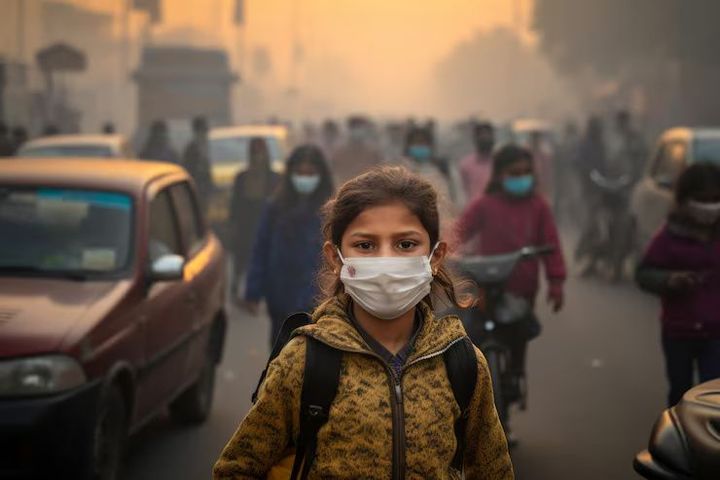
Air pollution is one of the most widely discussed environmental health issues in the modern world. From urban traffic emissions to industrial pollutants and seasonal wildfire smoke, air quality has a direct influence on public health and daily life. Understanding how pollution affects the body and learning how to reduce exposure can help individuals and communities protect their health.
Air pollution refers to the presence of harmful substances in the atmosphere that can negatively affect human health and the environment. These pollutants include microscopic particles, toxic gases, and chemical compounds released from both natural events and human activities .
Common sources of air pollution include:
- Vehicle emissions from transportation systems
- Industrial manufacturing and power plants
- Construction activities and road dust
- Agricultural burning and seasonal fires
- Household fuel combustion and cooking smoke
Pollutants such as PM2.5, PM10, nitrogen dioxide, sulfur dioxide, ozone, and carbon monoxide can remain suspended in the air and travel long distances. Monitoring systems help track these pollutants and guide public health responses.
Why Air Pollution Matters for Public Health Today
Air pollution is closely linked to several health conditions, especially when exposure is prolonged. Research shows that polluted air can increase the risk of respiratory diseases, cardiovascular problems, and chronic illnesses .
Vulnerable Populations
Certain groups are more affected by air pollution:
- Children and adolescents
- Older adults
- People with asthma or respiratory conditions
- Individuals with heart disease
- Outdoor workers exposed to pollutants
Fine particulate matter can enter the lungs and bloodstream, causing inflammation and long-term health effects. Rapid urbanization and industrial growth have made this issue more critical in many cities.
Broader Impacts
Air pollution also affects multiple aspects of daily life:
- Workplace productivity
- School attendance
- Healthcare systems
- Environmental sustainability
These impacts highlight the importance of monitoring and reducing pollution exposure.
Recent Developments in Air Quality and Pollution Monitoring
Recent years have seen major advancements in how air pollution is tracked and analyzed. Satellite-based monitoring systems now provide more accurate and widespread data collection .
Artificial intelligence is also being used to predict pollution levels by analyzing weather patterns, traffic data, and historical trends.
Key Trends
- Increased use of low-cost air quality sensors
- Growth of mobile monitoring networks
- Improved wildfire smoke tracking tools
- Public access to real-time air pollution data
Many cities now offer public dashboards where residents can check air quality before traveling or exercising outdoors.
Indoor Air Pollution Awareness
Recent studies have also emphasized indoor air quality. Factors such as ventilation, building materials, and cooking activities can significantly affect indoor pollution levels.
This has led to increased focus on improving indoor environmental health alongside outdoor monitoring.
Environmental Regulations and Government Policies
Air pollution control is guided by national and international regulations aimed at reducing emissions and protecting public health .
Common Regulatory Approaches
- Air quality standards defining safe pollution limits
- Emission regulations for vehicles and industries
- Urban traffic management policies
- Industrial pollution monitoring requirements
Example: India’s NCAP
In India, the National Clean Air Programme (NCAP) focuses on reducing particulate pollution in major cities. It promotes monitoring networks, pollution source identification, and long-term mitigation strategies.
Supporting Policies
- Fuel quality regulations
- Renewable energy incentives
- Urban green infrastructure initiatives
- Pollution reporting frameworks
These policies encourage cleaner technologies and help reduce harmful emissions.
Tools and Resources for Monitoring and Reducing Pollution Exposure
Modern technology allows individuals to monitor air pollution and make informed decisions. Many digital platforms provide real-time air quality updates and forecasts .
Useful Tools
- Air Quality Index (AQI) monitoring platforms
- Environmental data dashboards
- Pollution forecasting systems
- Indoor air monitoring devices
- Environmental research databases
Air Quality Index (AQI) Table
| Air Quality Level | AQI Range | General Meaning |
|---|---|---|
| Good | 0–50 | Minimal health risk |
| Moderate | 51–100 | Acceptable but may affect sensitive individuals |
| Unhealthy for Sensitive Groups | 101–150 | Higher risk for vulnerable populations |
| Unhealthy | 151–200 | Health effects possible for everyone |
| Very Unhealthy | 201+ | Serious health concerns |
Common Features of Monitoring Tools
- Hourly pollution tracking
- Health recommendations based on AQI
- Historical data analysis
- Location-based alerts
These tools help individuals plan activities during safer air quality conditions.
Practical Tips for Reducing Exposure to Air Pollution
Reducing exposure requires awareness and small lifestyle adjustments. Simple daily actions can significantly lower health risks .
Personal Strategies
- Check AQI before outdoor activities
- Avoid outdoor exercise during high pollution
- Improve indoor ventilation
- Use cleaner cooking fuels
- Maintain indoor cleanliness
Community and Urban Actions
- Expand green spaces
- Promote public transportation
- Encourage clean energy use
Pollution Exposure Comparison Table
| Pollution Source | Example Activities | Prevention Approach |
|---|---|---|
| Traffic emissions | Urban commuting | Avoid peak traffic hours |
| Construction dust | Road work areas | Use protective measures |
| Industrial emissions | Factory zones | Monitor air quality alerts |
| Indoor smoke | Cooking/heating | Improve ventilation |
These strategies help reduce exposure while broader policies address pollution sources.
Frequently Asked Questions
What is the Air Quality Index (AQI)?
The Air Quality Index is a standardized system used to measure and communicate air pollution levels. It translates pollution data into categories that indicate health risks.
How does air pollution affect the human body?
Air pollution can irritate the respiratory system, reduce lung function, and increase the risk of cardiovascular diseases. Long-term exposure may lead to chronic health conditions.
Who is most vulnerable to air pollution?
Children, older adults, and individuals with respiratory or heart conditions are more sensitive to polluted air.
Is indoor air pollution a concern?
Yes, indoor air pollution can result from cooking smoke, chemicals, and poor ventilation, contributing to health risks.
How can people monitor air pollution?
People can use websites and mobile apps that provide real-time air quality data, forecasts, and alerts based on their location.
Conclusion
Air pollution remains a major environmental and public health concern worldwide. It affects not only respiratory health but also economic productivity and environmental sustainability .
Advancements in monitoring technologies and policy initiatives have improved our ability to manage pollution. At the same time, individual awareness and preventive actions play a key role in reducing exposure.
By combining technology, regulation, and public awareness, communities can work toward cleaner air and healthier living conditions.