Akoya Pearls Insights: Explore Shine, Grading, Market Trends, and Care Advice
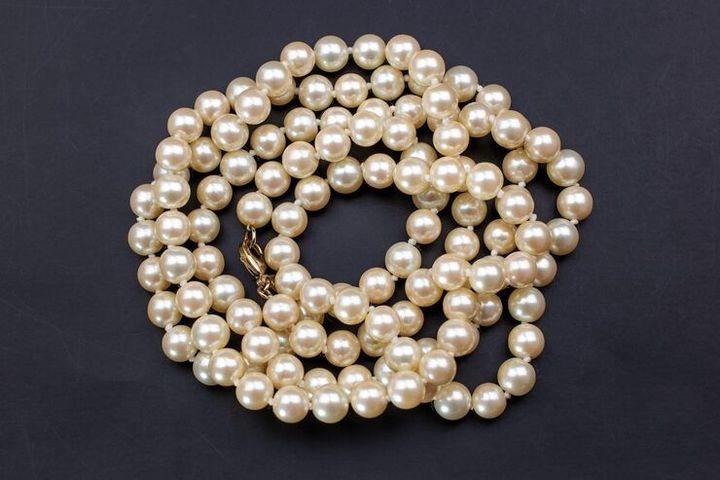
Akoya pearls are a well-known type of cultured pearl recognized for their bright luster and classic round shape. They are primarily produced by oysters belonging to the species Pinctada fucata martensii. These pearls are traditionally cultivated in coastal waters in countries such as Japan, China, and Vietnam.
The development of cultured pearls began in the early 20th century when pearl cultivation techniques were refined to create consistent, high-quality pearls. Akoya pearls became widely recognized for their elegant appearance and uniformity, making them popular in fine jewelry designs.
Pearl formation occurs when an irritant or bead nucleus is placed inside an oyster. Over time, the oyster secretes layers of nacre around the nucleus, forming the pearl’s surface and contributing to its shine and durability.
Key Characteristics of Akoya Pearls
Akoya pearls are typically known for the following features:
- Bright, mirror-like luster
- Round or near-round shapes
- White or cream body colors
- Overtone hues such as rose, silver, or ivory
Their refined appearance makes them a common feature in necklaces, earrings, bracelets, and formal jewelry collections.
Why Akoya Pearls Matter in Modern Jewelry and Luxury Markets
Akoya pearls continue to hold cultural and economic significance in the global jewelry industry. Their consistent quality and traditional cultivation methods contribute to their importance in luxury goods markets and jewelry design.
Who Benefits from Understanding Akoya Pearls
Several groups benefit from knowledge about Akoya pearls:
- Jewelry designers creating fine collections
- Gemology students studying pearl grading
- Collectors and enthusiasts exploring pearl characteristics
- Sustainability researchers studying aquaculture
Pearl farming also supports coastal economies and marine aquaculture industries, encouraging responsible ocean practices.
Industry Contributions
Akoya pearls help address several industry challenges:
- Provide a consistent supply of cultured pearls
- Support ethical aquaculture instead of wild harvesting
- Encourage standardized grading practices
The luxury jewelry sector values pearls as timeless pieces due to their blend of natural formation and human cultivation.
Key Characteristics and Grading Factors
Pearl grading helps evaluate quality and appearance using several factors.
Grading Factors Overview
| Grading Factor | Description |
|---|---|
| Luster | Brightness and reflectivity of the surface |
| Surface Quality | Presence of spots or blemishes |
| Shape | Round, oval, or baroque |
| Color | Body color and overtone hues |
| Size | Diameter measured in millimeters |
Akoya pearls typically range from 2 mm to 10 mm, with 6 mm to 8 mm being most common in jewelry.
Influence of Grading Factors
| Factor | Influence Level |
|---|---|
| Luster | Very High |
| Surface Quality | High |
| Shape | High |
| Color | Moderate |
| Size | Moderate |
Luster is often considered the most important factor because it determines how much light reflects from the pearl’s surface.
Recent Updates and Industry Trends
The pearl industry experienced several notable developments during 2024–2025. One major trend is improved traceability in pearl production using digital tracking systems.
Key Trends
- Blockchain-based traceability for transparency
- Expansion of sustainable aquaculture practices
- AI-assisted pearl grading technologies
- Increased research on climate change impacts
- Growth of online gemology education platforms
These advancements aim to improve transparency, sustainability, and accuracy in pearl production and evaluation.
Regulations and Policies Affecting Pearl Production
Pearl cultivation and trade are influenced by international regulations and environmental policies. These frameworks ensure sustainability and authenticity in global markets.
Key Regulatory Areas
- Aquaculture regulations for marine farming
- Environmental protection laws for coastal ecosystems
- Export and trade documentation requirements
- Marine conservation policies
Governments often regulate pearl farming zones and require environmental monitoring to maintain ecosystem balance.
Tools and Resources for Learning About Akoya Pearls
Various tools and educational resources help individuals understand pearl grading and characteristics.
Common Learning Resources
- Gemology training platforms
- Pearl grading charts
- Jewelry design software
- Gemstone identification guides
- Digital microscopes
Pearl Analysis Tools
| Tool | Purpose |
|---|---|
| Gemological microscope | Examine surface characteristics |
| Digital calipers | Measure pearl diameter |
| Pearl grading charts | Compare quality levels |
| Jewelry design software | Plan jewelry layouts |
| Educational platforms | Study pearl identification |
These tools support better understanding of pearl structure and jewelry craftsmanship.
Caring for Akoya Pearls
Pearls are organic gemstones and require gentle care to maintain their appearance. Proper handling helps preserve their luster and durability.
Care Tips
- Avoid exposure to strong chemicals
- Store separately from harder gemstones
- Clean with soft cloths only
- Keep away from heat and dryness
Regular inspection ensures long-term quality and structural stability.
Frequently Asked Questions
What makes Akoya pearls different from other pearls?
Akoya pearls are known for their bright luster and round shape. They typically display a sharper shine compared to other pearl types.
Where are Akoya pearls mainly cultivated?
They are primarily cultivated in Japan, China, and Vietnam, where coastal environments support pearl farming.
What determines the quality of an Akoya pearl?
Quality is evaluated based on luster, surface condition, shape, color, and size.
How long does it take for an Akoya pearl to form?
Pearl formation generally takes about 10 to 18 months depending on environmental conditions.
Why is pearl luster important?
Luster reflects how light interacts with nacre layers. Strong luster often indicates higher visual appeal.
Conclusion
Akoya pearls remain one of the most recognized cultured pearls in the world. Their bright luster, classic appearance, and historical significance make them a key part of the global jewelry industry.
Understanding Akoya pearls involves exploring cultivation methods, grading standards, environmental considerations, and craftsmanship. Recent advancements such as traceability systems and sustainable practices highlight the industry’s evolution.
Educational tools, regulations, and research continue to improve awareness of pearl quality and production. As technology and sustainability efforts advance, Akoya pearls will remain an important subject in jewelry and aquaculture industries.