Behind every domain name is a structured system called the Domain Name System (DNS), which connects domain names to servers where websites are stored. The DNS acts like a digital directory that translates user-friendly names into machine-readable IP addresses.
Website identity goes beyond just the domain name. It includes elements such as brand recognition, trust signals, and online presence. A domain name often represents the first interaction a user has with a website, making it an essential part of digital identity.
Some common types of domain extensions include:
-
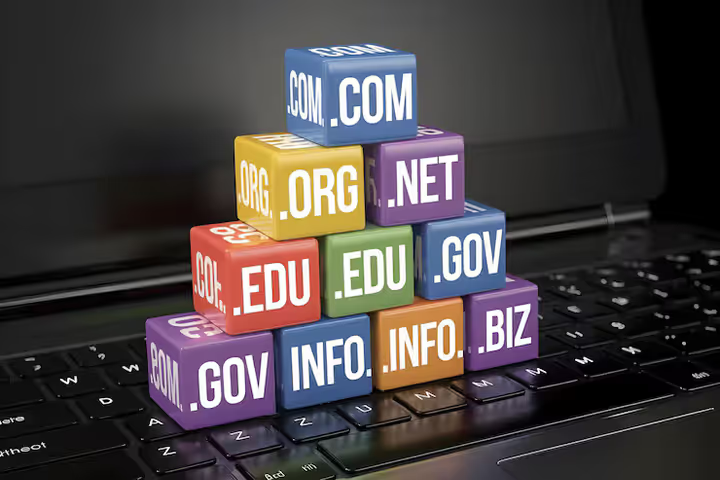
Generic top-level domains (gTLDs): .com, .org, .net
-
Country code top-level domains (ccTLDs): .in, .uk, .jp
-
Specialized domains: .tech, .edu, .gov
The system is coordinated globally by organizations such as ICANN, which ensures that domain names remain unique and accessible worldwide.
Why Domain Names and Website Identity Matter Today
In today’s digital environment, domain names play a critical role in how individuals, businesses, and organizations establish credibility online. A clear and relevant domain name helps users easily identify a website’s purpose and trust its content.
Domain names affect multiple aspects of online presence:
-
Search visibility: Keywords within domain names can improve discoverability in search engines
-
Brand identity: A consistent name strengthens recognition and recall
-
User trust: Professional domains increase confidence among visitors
-
Navigation simplicity: Easy-to-remember names improve user experience
The importance of domain names extends to various groups:
-
Individuals creating personal blogs or portfolios
-
Businesses building digital platforms
-
Educational institutions sharing resources
-
Government organizations providing public information
Problems that domain names help solve include:
-
Difficulty in accessing websites using IP addresses
-
Lack of organization in the global internet structure
-
Challenges in branding and online recognition
In addition, website identity ensures that users can distinguish between legitimate and potentially harmful websites, especially in an era where cybersecurity awareness is increasing.
Recent Updates and Trends in Domain Names
Over the past year, several trends have influenced how domain names are used and managed.
Expansion of New Domain Extensions (2024–2025):
New generic top-level domains continue to expand, offering more options beyond traditional .com domains. Extensions like .ai, .app, and .store are gaining popularity, especially in technology and digital sectors.
Increased Focus on Cybersecurity (2025):
There has been a stronger emphasis on domain security, including DNSSEC (Domain Name System Security Extensions). These measures help protect users from phishing and domain spoofing attacks.
Growth of AI-Related Domains (2025):
Domains associated with artificial intelligence, such as .ai, have seen significant growth due to increased adoption of AI technologies across industries.
Regulation and Transparency Improvements (2024 Updates):
Global authorities have introduced stricter rules for domain registration data transparency while balancing privacy concerns. This includes updates to WHOIS data policies.
Rise of Localized Domains:
Country-specific domains like .in are gaining traction as businesses aim to target regional audiences more effectively.
Laws, Policies, and Regulations Affecting Domain Names
Domain names are governed by a combination of international guidelines and country-specific regulations. These policies ensure fair usage, prevent misuse, and maintain global consistency.
At the international level, ICANN oversees domain name allocation and management. It sets policies related to domain registration, dispute resolution, and system stability.
Key regulatory aspects include:
-
Uniform Domain-Name Dispute-Resolution Policy (UDRP):
Helps resolve disputes related to domain ownership and trademark conflicts
-
WHOIS Data Regulations:
Controls access to domain registration details while protecting user privacy
-
Data Protection Laws:
Regulations such as GDPR influence how domain-related data is stored and shared
In India, domain management also involves the National Internet Exchange of India (NIXI), which oversees .in domains. Policies ensure that domain registration aligns with national digital infrastructure goals.
Government programs supporting digital identity and internet growth include:
-
Digital India initiatives promoting online presence
-
Cybersecurity awareness programs
-
Regulations to prevent misuse of domain names for fraud
These policies collectively help maintain a secure and reliable domain name ecosystem.
Tools and Resources for Domain Names and Website Identity
Several tools and platforms assist users in managing and understanding domain names effectively. These resources are useful for research, analysis, and maintenance.
Domain Research Tools:
-
DNS lookup tools for checking domain records
-
WHOIS lookup services for domain ownership details
-
Domain availability checkers
Website Identity and Performance Tools:
-
SEO analysis platforms to evaluate domain performance
-
Website audit tools for technical insights
-
SSL certificate checkers for security validation
DNS Management Tools:
-
DNS configuration dashboards
-
Domain propagation checkers
-
Monitoring tools for uptime and performance
Educational Resources:
-
Online tutorials explaining DNS and domain structures
-
Documentation from global internet organizations
-
Technical guides for beginners and professionals
Below is a simplified table showing key components of domain systems:
| Component |
Function |
Example |
| Domain Name |
Human-readable address |
example.com |
| IP Address |
Machine-readable identifier |
192.168.1.1 |
| DNS |
Translates names to IPs |
DNS server |
| TLD |
Domain extension |
.com, .in |
These tools and resources help users maintain a strong and secure website identity.
Frequently Asked Questions
What is the difference between a domain name and a website?
A domain name is the address used to access a website, while a website is the collection of pages and content stored on a server.
How does the Domain Name System work?
The DNS translates a domain name into an IP address so that browsers can locate and load the correct website.
Why are domain extensions important?
Domain extensions indicate the type or location of a website, such as .com for general use or .in for India-based websites.
Can domain names impact search engine rankings?
Domain names can influence visibility, especially when they include relevant keywords, but they are only one factor among many in SEO.
What is domain security and why is it important?
Domain security includes measures like SSL certificates and DNSSEC to protect websites from cyber threats and ensure safe user access.
Conclusion
Domain names are a fundamental part of the internet’s structure, enabling users to access websites easily and efficiently. They serve as both a technical tool and a representation of website identity, helping individuals and organizations establish a clear digital presence.
As the internet continues to evolve, domain names remain essential for navigation, branding, and security. Recent trends such as new domain extensions, improved cybersecurity measures, and evolving regulations highlight the growing importance of managing domain names responsibly.
Understanding how domain names work, along with the policies and tools associated with them, allows users to make informed decisions and maintain a reliable online identity.