An Informative Guide to Industrial Electrical Equipment Systems
Industrial electrical equipment systems refer to the network of electrical components, devices, and infrastructure used to power, control, and monitor industrial operations. These systems are designed to handle large-scale electrical loads and ensure consistent performance in environments such as manufacturing plants, processing units, and infrastructure facilities.
The primary purpose of industrial electrical systems is to deliver reliable electricity to machines and processes while maintaining safety and operational efficiency. Unlike residential or commercial setups, industrial systems must handle higher voltage levels, continuous operations, and complex automation requirements.
In modern industries, electrical systems are closely integrated with automation technologies, enabling precise control of processes. This integration supports productivity, reduces downtime, and enhances monitoring capabilities.
Why Industrial Electrical Equipment Systems Matter Today
Industrial electrical systems play a critical role in supporting global industries and infrastructure. As industries expand and adopt advanced technologies, the demand for efficient and reliable electrical systems continues to grow.
These systems matter because they:
- Ensure uninterrupted production processes
- Support automation and smart manufacturing
- Improve energy efficiency and sustainability
- Enhance workplace safety
- Enable monitoring and predictive maintenance
Industries such as manufacturing, construction, energy, and transportation rely heavily on electrical systems to function effectively. Without these systems, modern industrial operations would face significant disruptions.
Another important aspect is energy management. With increasing energy demands, industrial electrical systems help optimize power usage, reduce waste, and improve overall efficiency. This is particularly relevant in regions focusing on sustainable development and reducing environmental impact.
Industrial electrical systems also address challenges such as:
- Equipment failure prevention
- Load management
- Electrical hazard reduction
- System scalability for future expansion
Recent Trends and Developments in Industrial Electrical Systems
Over the past year, several advancements have shaped the field of industrial electrical equipment systems. These changes reflect the growing focus on digital transformation and sustainability.
Some key trends observed in 2025–2026 include:
-
Smart Electrical Systems:
Integration of IoT (Internet of Things) technologies allows real-time monitoring of electrical equipment, improving system reliability and performance. -
Energy-Efficient Equipment:
Increased adoption of energy-efficient transformers, motors, and drives to reduce power consumption and environmental impact. -
Digital Twin Technology:
Industries are using digital models of electrical systems to simulate performance and predict maintenance needs. -
Advanced Safety Mechanisms:
Improved circuit protection systems and automation-based safety controls help reduce risks associated with electrical faults. -
Renewable Energy Integration:
Industrial systems are increasingly designed to integrate solar and other renewable energy sources into power distribution networks.
Recent updates (2025–2026):
- Governments and industries have emphasized carbon reduction targets, encouraging the use of energy-efficient electrical systems.
- Adoption of smart grid technologies has increased, improving energy distribution and monitoring.
- Industrial automation systems now include AI-based diagnostics for fault detection and performance optimization.
These developments highlight the shift toward smarter, safer, and more sustainable industrial electrical systems.
Regulations and Policies Affecting Industrial Electrical Systems
Industrial electrical equipment systems are governed by various regulations to ensure safety, efficiency, and compliance. These rules vary by country but generally focus on electrical standards, worker safety, and environmental impact.
Key regulatory aspects include:
-
Electrical Safety Standards:
Standards define how electrical systems should be installed and maintained to prevent hazards. -
Energy Efficiency Regulations:
Policies encourage industries to adopt energy-saving equipment and reduce power consumption. -
Workplace Safety Guidelines:
Regulations ensure that electrical systems are designed to protect workers from risks such as electric shock or fire. -
Environmental Compliance:
Industries must follow guidelines related to emissions, energy usage, and sustainable practices.
In India, for example, industrial electrical systems are influenced by:
- National electrical codes and safety standards
- Energy efficiency initiatives promoting reduced power consumption
- Government programs supporting renewable energy integration
These regulations help maintain consistent quality and safety across industrial operations while encouraging modernization and sustainability.
Useful Tools and Resources for Industrial Electrical Systems
Understanding and managing industrial electrical systems often requires specialized tools and resources. These tools assist in design, analysis, monitoring, and maintenance.
Common tools and resources include:
-
Electrical Load Calculators:
Help estimate power requirements for industrial systems. -
Simulation Software:
Used to design and test electrical systems before implementation. -
Energy Monitoring Systems:
Track electricity usage and identify inefficiencies. -
Maintenance Management Software:
Helps schedule inspections and manage equipment performance. -
Technical Documentation and Standards:
Provide guidelines for installation, operation, and safety.
Example table of tools and their uses:
| Tool Type | Purpose | Benefit |
|---|---|---|
| Load Calculator | Estimate electrical demand | Prevents overload issues |
| Simulation Software | Design system layouts | Improves accuracy and planning |
| Energy Monitoring System | Track energy usage | Enhances efficiency |
| Maintenance Software | Manage equipment lifecycle | Reduces downtime |
| Safety Testing Devices | Check system integrity | Ensures compliance and safety |
These tools support engineers, technicians, and facility managers in maintaining efficient and reliable electrical systems.
Frequently Asked Questions About Industrial Electrical Equipment Systems
What is the main function of industrial electrical equipment systems?
The main function is to distribute and control electrical power within industrial facilities, ensuring smooth operation of machinery and processes
How are industrial electrical systems different from residential systems?
Industrial systems handle higher voltages, larger loads, and more complex operations compared to residential systems, which are designed for smaller-scale use.
Why is energy efficiency important in industrial electrical systems?
Energy efficiency reduces power consumption, lowers environmental impact, and improves overall system performance.
What are common components of these systems?
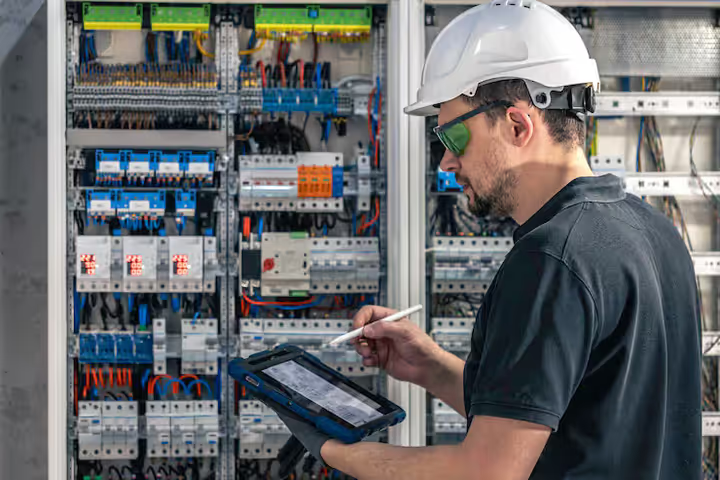
Common components include transformers, circuit breakers, control panels, motors, and wiring systems.
How often should industrial electrical systems be maintained?
Regular maintenance schedules depend on system usage but typically include periodic inspections, testing, and performance monitoring.
Conclusion
Industrial electrical equipment systems form the backbone of modern industrial operations. They ensure that power is delivered safely, efficiently, and reliably to support a wide range of processes. As industries continue to evolve, these systems are becoming more advanced, incorporating smart technologies, automation, and energy-efficient solutions. Recent trends highlight a strong focus on sustainability, digital monitoring, and improved safety standards. Understanding how these systems work, why they matter, and how they are regulated helps individuals and organizations make informed decisions about their implementation and management. With the support of modern tools and resources, industrial electrical systems are better equipped to meet the demands of today’s dynamic industrial landscape.