Automated Billing Software Insights on Modern Payment Processing and Invoice Management
Automated billing software helps organizations manage invoices, record transactions, track payments, and maintain financial records through digital systems.
As businesses increasingly use online payment methods and cloud-based accounting tools, automated billing software has become an important part of modern payment processing and invoice management.
Understanding automated billing software provides useful insights into how digital billing works, which features support financial accuracy, and how organizations can organize their payment records. Learning about its functions, recent developments, and applicable regulations can help individuals and businesses make informed decisions about financial administration.
Context – Understanding Automated Billing Software
Automated billing software is a digital application that handles recurring billing tasks with limited manual intervention. Depending on its features, it can generate invoices, calculate applicable taxes, record payments, send payment reminders, and organize customer account information.
Traditional billing often relies on spreadsheets, paper documents, and manual calculations. These methods can become difficult to manage when transaction volumes increase. Automated systems organize billing information in a central environment and apply predefined rules to routine activities.
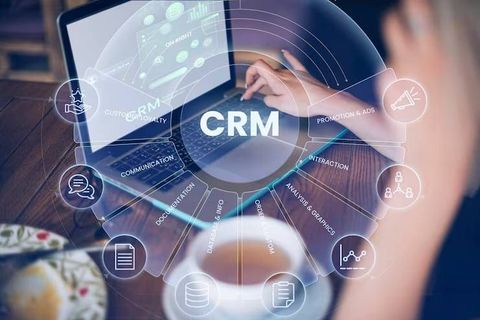
Modern billing platforms may connect with accounting applications, customer relationship management systems, payment gateways, and enterprise resource planning software. These integrations help transfer relevant information between departments and reduce the need to enter the same details repeatedly.
Common functions include:
Invoice creation using predefined templates.
Automatic calculation of recurring charges and applicable taxes.
Payment status tracking and transaction reconciliation.
Scheduled reminders for outstanding invoices.
Digital storage of billing documents and transaction histories.
Financial reports for reviewing revenue and receivables.
The exact capabilities vary by platform. Some applications focus on invoice management, while others support subscription billing, payment collection, and broader financial workflows.
Importance – Why Automated Billing Matters
Automated billing software can improve the organization of financial activities by reducing repetitive administrative work. When billing rules are configured correctly, calculations and document creation follow consistent procedures.
Accuracy is another important consideration. Manual data entry can introduce incorrect amounts, duplicate invoices, or missing transaction details. Automation can reduce certain errors, although incorrect settings or inaccurate source data can still produce mistakes.
The software also helps organizations understand their outstanding payments. Billing dashboards may display issued invoices, completed transactions, overdue balances, and upcoming recurring charges. This information supports cash-flow planning and financial reporting.
Different users benefit in different ways:
Small businesses can organize invoices and payment records in one system.
Accountants can review transactions and reconcile financial statements.
Subscription-based businesses can manage recurring billing schedules.
Larger organizations can coordinate billing across departments.
Customers can receive clearer invoices and more consistent payment notifications.
Automation does not remove the need for financial oversight. Organizations still need to review unusual transactions, investigate disputes, confirm tax calculations, and ensure that billing records reflect actual business activities.
Recent Updates – Trends in Billing and Payment Processing
Automated billing continues to develop alongside digital payments, cloud computing, and artificial intelligence. These changes influence how organizations create invoices, process transactions, and monitor financial information.
Cloud-based billing systems allow authorized users to access records through connected devices. Depending on the platform, updates may become available to multiple departments without exchanging separate spreadsheets or documents.
Application programming interfaces, commonly known as APIs, allow billing systems to exchange information with accounting software, payment gateways, and business applications. Well-designed integrations can improve reconciliation and reduce duplicate data entry.
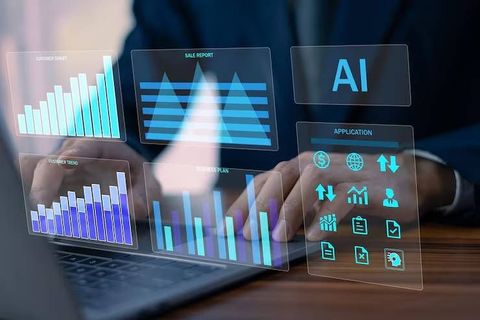
Artificial intelligence and machine learning are also being applied to selected billing tasks. Examples include identifying unusual transaction patterns, categorizing records, and estimating which invoices may require follow-up. These systems can generate incorrect results, so important decisions should remain subject to appropriate review.
Electronic invoicing is another significant development. Structured digital invoices can support automated processing between organizations and accounting systems. In some jurisdictions, electronic invoicing is becoming part of formal tax reporting requirements.
Development | Main purpose | Important consideration |
|---|---|---|
Cloud-based billing | Access records across locations | Account security and availability |
AI-assisted analysis | Identify patterns and anomalies | Human review of results |
Payment gateway integration | Connect billing with digital payments | Transaction security and reconciliation |
Electronic invoicing | Standardize digital invoice exchange | Local compliance requirements |
Automated reporting | Organize financial summaries | Accuracy of source data |
Organizations evaluating these developments should consider their transaction volume, existing accounting systems, security requirements, and applicable regulations rather than assuming that every new feature is necessary.
Laws or Policies – Rules Affecting Billing Software
Automated billing software must operate within the legal and regulatory requirements applicable to the organization, its customers, and the transactions it processes. Requirements vary by country, industry, transaction type, and business structure.
In India, the Goods and Services Tax (GST) framework establishes requirements for tax invoices, records, and electronic invoicing for applicable taxpayers. E-invoicing requirements depend on the relevant eligibility rules and notifications. Organizations should verify current requirements with official GST resources rather than relying on outdated software documentation.
The Information Technology Act, 2000, and applicable rules form part of India's broader legal framework for electronic records and digital transactions. Organizations should also consider the Digital Personal Data Protection Act, 2023, and applicable rules and commencement notifications when handling personal information. The specific obligations depend on the provisions in force and the circumstances involved.
Payment processing may also involve requirements established by the Reserve Bank of India (RBI), particularly where payment systems, regulated entities, and payment data are concerned. Businesses should determine which requirements apply to their payment arrangements.
International organizations may need to consider additional rules, including:
Value-added tax (VAT) or goods and services tax requirements in relevant jurisdictions.
The European Union's General Data Protection Regulation (GDPR), where applicable.
Payment Card Industry Data Security Standard (PCI DSS) requirements when handling payment card data.
Local rules governing electronic invoices, financial records, and document retention.
Compliance involves more than selecting software. Organizations should maintain appropriate access controls, retain required records, review tax configurations, and establish procedures for correcting billing errors. Professional accounting or legal guidance may be appropriate when requirements are unclear.
Tools and Resources – Exploring Billing Systems
Choosing automated billing software starts with understanding the organization's billing process. A business issuing occasional invoices may need a different set of features from a company managing thousands of recurring subscriptions.
Useful resources include official regulatory websites, accounting documentation, payment processor guidance, and invoice templates. These resources help users understand billing terminology, recordkeeping practices, and the information that invoices should contain.
Examples of resources to explore include:
Goods and Services Tax portal: official information about Indian GST compliance and electronic invoicing.
Reserve Bank of India: information about applicable payment-system regulations and guidance.
Income Tax Department of India: information about tax-related recordkeeping and reporting.
Microsoft Excel or Google Sheets: tools for organizing invoice registers and reconciliation worksheets.
Accounting software documentation: guidance on invoice creation, tax settings, recurring billing, and financial reporting.
Before selecting a platform, compare its functions against practical requirements.
Evaluation area | Questions to consider |
|---|---|
Invoice management | Can it create, revise, and track invoices? |
Payment processing | Does it integrate with the required payment methods? |
Tax configuration | Can applicable tax rules be configured and reviewed? |
Reporting | Can users export transaction and receivables reports? |
Security | Are access controls, audit logs, and data protections available? |
Integration | Can it exchange information with existing accounting tools? |
Scalability | Can it support expected transaction volumes? |
A careful evaluation should also examine data export options, backup procedures, support documentation, user permissions, and the process for correcting errors. Testing a representative billing workflow can reveal practical limitations before a system becomes part of everyday operations.
FAQs – Automated Billing Software Insights
1. What is automated billing software?
Automated billing software is a digital system that manages tasks such as invoice generation, recurring billing, payment tracking, and financial reporting according to configured rules.
2. How does automated billing improve invoice management?
It organizes invoice records, standardizes calculations, tracks payment statuses, and can send reminders automatically. These functions may reduce repetitive work and make outstanding balances easier to review.
3. Is automated billing software suitable for small businesses?
Yes. Small businesses may use it to maintain consistent invoice records and monitor payments. The appropriate system depends on transaction volume, accounting needs, integration requirements, and compliance obligations.
4. Is automated billing software secure?
Security depends on the platform's design and how it is configured. Access restrictions, multifactor authentication, encryption, audit logs, and appropriate backup procedures can help protect billing information.
5. Does automated billing software ensure tax compliance?
No. Software can support tax calculations and recordkeeping, but compliance depends on accurate information, correct configurations, current rules, and appropriate review by the organization.
Conclusion – Key Insights on Modern Billing
Automated billing software supports modern payment processing by organizing invoice creation, recurring charges, transaction records, and payment tracking. Its usefulness depends on accurate data, suitable integrations, reliable security controls, and clear financial procedures.
Digital invoicing, cloud-based platforms, and AI-assisted analysis continue to influence billing practices. Organizations should assess these developments according to their actual requirements and verify relevant legal obligations before implementing new systems.
A practical approach begins with documenting existing billing activities, identifying recurring problems, and comparing software capabilities against operational needs. Regular reviews of financial records, security settings, and tax configurations remain essential even when routine tasks are automated.
Ultimately, effective invoice management combines appropriate technology with human oversight. Understanding the available tools and regulatory environment helps businesses maintain organized financial records and make informed decisions about their payment workflows.