Automated packaging lines are systems used in manufacturing facilities to package products using machines and digital controls rather than manual handling. These lines combine different equipment—such as conveyors, fillers, sealers, and labeling machines—into a connected workflow that moves products from production to packaged form. The idea behind automated packaging lines explained in simple terms is the integration of mechanical equipment and software to organize packaging tasks in a consistent sequence.
Historically, packaging processes relied heavily on manual labor. Workers filled containers, sealed packages, labeled products, and prepared them for shipment. As industrial production expanded and product volumes increased, manufacturers began introducing machines to handle repetitive packaging tasks. Over time, these machines evolved into connected systems capable of operating with minimal human intervention.
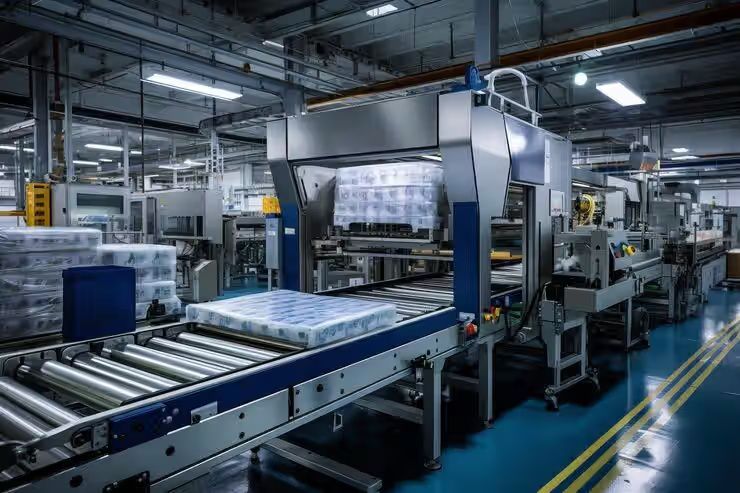
Today, automated packaging lines form an essential part of many manufacturing environments, including food processing, pharmaceuticals, consumer goods, electronics, and logistics centers. Workflow automation allows machines to coordinate timing, product movement, and packaging actions. Sensors and control systems help maintain accuracy, ensuring that products are packaged correctly before distribution.
Understanding the equipment details and workflow automation behind these systems helps explain how modern manufacturing maintains efficiency while managing large production volumes.
Importance
Automated packaging lines play a significant role in modern manufacturing productivity. As global production increases and supply chains expand, companies need reliable methods to package goods quickly and consistently. Automation helps reduce repetitive manual work while maintaining steady production speeds.
For everyday consumers, packaging automation affects the availability and consistency of many products used daily. Items such as packaged foods, household supplies, and medical products often pass through automated packaging lines before reaching retail stores. These systems help maintain uniform packaging, labeling accuracy, and traceability.
Several practical challenges in manufacturing are addressed by workflow automation within packaging systems:
- Consistency in packaging: Automated machines apply the same filling, sealing, and labeling processes for each item.
- Production flow management: Conveyor systems move products through packaging stages without delays.
- Reduced handling errors: Sensors and inspection systems identify packaging issues before products move forward.
- Large-scale output capability: Automation allows factories to process higher product volumes than manual methods.
Manufacturing productivity insights often highlight how packaging automation supports supply chain stability. When packaging processes operate smoothly, goods move more efficiently from factories to distribution networks.
Recent Updates
Recent developments in automated packaging lines reflect broader trends in industrial automation and digital manufacturing. Between 2024 and 2026, several technologies have become more common in packaging environments.
One noticeable change is the growing integration of smart sensors and data monitoring systems. These technologies collect information about machine performance, packaging speed, and operational efficiency. Manufacturers analyze this data to improve production flow and detect potential maintenance needs.
Another development involves robotics within packaging workflows. Robotic arms can perform tasks such as product placement, palletizing, and carton loading. These robots are designed to handle repetitive movements while maintaining precision and consistency.
Artificial intelligence tools are also appearing in some packaging environments. AI-driven inspection systems analyze images of packaged products to identify labeling errors, damaged packaging, or sealing problems. This type of automation supports quality control during production.
Digital manufacturing platforms are increasingly connecting packaging lines with other factory systems. These platforms allow managers to monitor equipment performance, production rates, and packaging output from centralized dashboards.
Overall, recent trends emphasize greater connectivity between machines, improved monitoring capabilities, and flexible automation systems that can adapt to different packaging requirements.
Laws or Policies
Packaging automation is influenced by regulatory frameworks that ensure product safety, accurate labeling, and environmental responsibility. Governments and industry organizations establish rules that manufacturers must follow during packaging processes.
In India, several regulatory bodies influence packaging standards and manufacturing operations.
The Food Safety and Standards Authority of India establishes packaging and labeling guidelines for food products. These guidelines ensure that packaged food items include accurate ingredient information, manufacturing details, and safety instructions.
Environmental considerations are also addressed through programs such as the Plastic Waste Management Rules. These rules focus on responsible handling, recycling, and reduction of plastic packaging materials. Manufacturers using automated packaging lines must ensure that packaging materials comply with these regulations.
Quality standards may also be influenced by the Bureau of Indian Standards, which develops technical standards for manufacturing equipment and product packaging.
These regulatory frameworks encourage safe packaging practices, proper product identification, and responsible material usage. Automated packaging systems often incorporate labeling equipment and tracking mechanisms to help manufacturers comply with these requirements.
Tools and Resources
Various digital tools and software platforms support the operation and management of automated packaging lines. These tools help monitor production flow, analyze equipment performance, and manage workflow automation across manufacturing facilities.
Common tools used in packaging automation include:
- Industrial automation platforms: Systems like Siemens TIA Portal assist engineers in configuring and monitoring automated machinery.
- Manufacturing execution systems: Platforms such as Rockwell Automation FactoryTalk track production data and packaging performance.
- Simulation and digital modeling tools: Programs like Autodesk Factory Design Utilities help visualize packaging line layouts before equipment installation.
These tools assist manufacturers in planning equipment placement, optimizing workflow automation, and analyzing manufacturing productivity insights. Digital dashboards and monitoring software also allow production teams to observe system performance in real time.
Common Equipment Used in Automated Packaging Lines
Automated packaging lines typically include several machines that perform different tasks in sequence. Each piece of equipment contributes to the overall workflow.
| Equipment Type | Function in Packaging Line | Typical Use |
|---|---|---|
| Conveyor Systems | Move products between packaging stations | Continuous product flow |
| Filling Machines | Dispense liquids, powders, or granules into containers | Food, beverages, chemicals |
| Sealing Machines | Close packages using heat, pressure, or adhesives | Bags, cartons, pouches |
| Labeling Machines | Apply product labels or identification markings | Consumer goods packaging |
| Inspection Systems | Detect packaging defects or labeling errors | Quality verification |
| Palletizing Robots | Arrange packaged items onto pallets | Distribution preparation |
These components work together to create a continuous packaging process. Sensors, programmable controllers, and monitoring software coordinate the movement and operation of each machine.
FAQs
What are automated packaging lines?
Automated packaging lines are systems that use connected machines and digital controls to package products with minimal manual handling. Equipment such as conveyors, fillers, sealing machines, and labeling units operate in sequence to move products through the packaging process.
How does workflow automation function in packaging systems?
Workflow automation organizes the timing and coordination of packaging tasks. Sensors detect product movement, control systems manage machine operations, and conveyors transfer products between stations. This coordination helps maintain a steady production flow.
What equipment is commonly used in automated packaging lines?
Typical equipment includes conveyors, filling machines, sealing machines, labeling equipment, inspection systems, and robotic palletizing units. Each machine performs a specific function within the packaging process.
How do automated packaging lines affect manufacturing productivity?
Manufacturing productivity insights often highlight how automation allows factories to process larger production volumes with consistent packaging quality. Automated systems reduce repetitive manual tasks and maintain steady packaging speeds.
Are automated packaging lines used in different industries?
Yes. Automated packaging lines are used across many industries, including food processing, pharmaceuticals, electronics manufacturing, and consumer goods production. Each industry adapts packaging equipment and workflow automation to match its product requirements.
Conclusion
Automated packaging lines combine machinery, sensors, and digital controls to organize packaging processes within modern manufacturing environments. These systems help coordinate product movement, filling, sealing, labeling, and inspection tasks in a structured workflow. Technological developments continue to improve monitoring capabilities and integration with broader industrial automation systems. Regulatory frameworks also guide packaging practices related to labeling accuracy and material usage. Understanding the technologies and equipment behind packaging automation provides useful insight into how many everyday products move from production to packaged form.