Industrial Chemical Reactors: A Clear Guide to Design, Function, and Trends
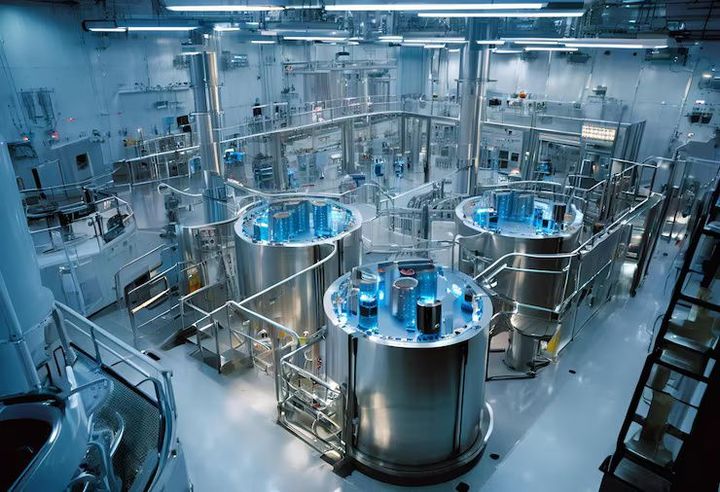
Industrial chemical reactors are core systems used in manufacturing industries to carry out chemical reactions at controlled conditions. These reactors are designed to convert raw materials into valuable products through processes such as mixing, heating, cooling, and reacting substances under specific pressure and temperature settings.
Industrial chemical reactors exist because large-scale production requires controlled environments to maintain consistent quality, efficiency, and safety. From pharmaceuticals to petrochemicals, reactors allow industries to produce chemicals in bulk with predictable outcomes. Without these systems, modern production would lack precision and scalability.
Reactors combine engineering design, process control, and automation to manage chemical reactions while minimizing risk and maximizing output.
Why Industrial Chemical Reactors Matter Today
Industrial chemical reactors are critical across sectors such as energy, agriculture, food processing, and environmental management. Their importance is increasing due to rising global demand for efficient and sustainable production.
Key Reasons
- Efficiency in Production: Reactors optimize chemical processes, reducing waste and improving output quality.
- Environmental Impact: Advanced designs reduce emissions and support cleaner production methods.
- Industrial Safety: Proper systems minimize risks associated with hazardous reactions.
- Wide Industry Use: Common in pharmaceuticals, fertilizers, polymers, and fuels.
Reactors help industries solve problems like inconsistent product quality, excessive energy use, and unsafe reaction conditions while balancing productivity with environmental responsibility.
Recent Updates and Trends in Industrial Chemical Reactors
Recent developments in 2024–2025 are shaping smarter, safer, and more sustainable industrial processes.
- Digital Monitoring Systems (2025): Sensors and automation tools track temperature, pressure, and reaction rates in real-time.
- Green Chemistry Initiatives (2024–2025): Focus on eco-friendly processes that minimize harmful byproducts.
- Modular Reactor Designs: Smaller, flexible reactors allow easier scalability and installation.
- AI-Based Optimization: Artificial intelligence predicts reaction outcomes and improves efficiency.
- Energy-Efficient Systems: New reactor models reduce energy consumption while maintaining output levels.
These trends reflect a shift toward automation, sustainability, and digital integration in chemical processing.
Laws, Regulations, and Policies Affecting Chemical Reactors
Chemical reactors are tightly regulated due to the hazards of industrial reactions. Compliance ensures safety, environmental protection, and reliable operations. In India, relevant frameworks include:
- Environmental Protection Act (1986): Controls emissions and industrial waste.
- Factories Act (1948): Ensures workplace safety, including reactor operations.
- Hazardous Chemicals Rules: Regulate storage, handling, and processing of dangerous substances.
- Pollution Control Board Guidelines: Set limits on industrial discharge and emissions.
Adhering to these regulations helps prevent accidents, protect workers, and minimize environmental impact.
Tools and Resources for Understanding Chemical Reactors
Engineers and professionals use a variety of tools to design, simulate, and optimize reactor operations.
Simulation Software
- Aspen Plus
- MATLAB
- COMSOL Multiphysics
Online Learning Platforms
- NPTEL (India-based engineering courses)
- Coursera (chemical engineering modules)
Process Calculators
- Reaction rate calculators
- Heat transfer calculators
- Pressure drop estimation tools
Templates and Guides
- Reactor design worksheets
- Safety checklist templates
- Process flow diagrams (PFDs)
These resources improve learning, planning, and execution of industrial chemical processes.
Types of Industrial Chemical Reactors
Understanding reactor types helps select the right system for specific processes.
| Reactor Type | Description | Common Use Case |
|---|---|---|
| Batch Reactor | Operates in steps, not continuous | Pharmaceuticals |
| Continuous Stirred Tank Reactor (CSTR) | Continuous mixing and reaction | Liquid-phase reactions |
| Plug Flow Reactor (PFR) | Reactants flow in one direction | Petrochemical processes |
| Fixed Bed Reactor | Uses solid catalyst bed | Gas reactions |
| Fluidized Bed Reactor | Particles behave like fluid | Combustion, catalytic cracking |
Basic Working Principle
Industrial chemical reactors control key variables to achieve consistent reactions:
- Temperature
- Pressure
- Concentration of reactants
- Reaction time
Proper control ensures reaction efficiency, product quality, and minimal side reactions.
Common Challenges in Reactor Operations
Industries face several challenges when operating reactors:
- Heat Management: Excess heat can create unsafe conditions.
- Material Corrosion: Harsh chemicals may damage reactor walls.
- Scaling Issues: Deposits reduce efficiency over time.
- Process Instability: Fluctuations can affect product quality.
Solutions include advanced materials, automation, and regular maintenance practices.
Frequently Asked Questions About Chemical Reactors
What is an industrial chemical reactor?
A system designed to carry out chemical reactions under controlled conditions for large-scale production.
What are the main types of chemical reactors?
Batch reactors, continuous stirred tank reactors, plug flow reactors, and fixed bed reactors.
Why is temperature control important in reactors?
Temperature affects reaction speed and safety. Proper control ensures efficient and stable reactions.
How do industries improve reactor efficiency?
Automation, advanced materials, and simulation tools optimize performance and reduce waste.
Are chemical reactors safe to use?
Yes, when designed and operated according to safety standards and regulations, reactors are safe and reliable.
Key Insights and Practical Tips
- Use proper materials to prevent corrosion and extend reactor life.
- Monitor real-time data to detect issues early.
- Follow safety guidelines strictly to avoid accidents.
- Choose the right reactor type based on the process requirement.
- Regular maintenance improves long-term performance.
Conclusion
Industrial chemical reactors are essential for modern manufacturing and production processes. They enable safe, efficient, and scalable chemical reactions while supporting environmental sustainability.
Advancements like digital monitoring and AI-based optimization make reactors smarter and more adaptable. Coupled with strict regulations, these systems operate safely and reliably. Understanding reactor types, principles, and tools allows industries and professionals to optimize performance, improve efficiency, and contribute to sustainable industrial growth.